Kiwi Offices Redefines Small Business Space

How Christopher Jerjian turned outdated offices into practical, private space for small businesses.
The turning point arrived inside a large, quiet office space in Hamilton Township, New Jersey. Once, a 50,000-square-foot lease would have been routine for a Class B complex like Ibis Plaza. By the 2010s, that world had changed. Big users had downsized, jobs had moved offshore, and digital work had changed daily business life. Christopher Jerjian and the management team behind Kiwi Offices saw the vacancy not as a failure, but as evidence. Small companies still needed offices. They simply needed them to be flexible, private, affordable, and ready to use. That insight became the foundation of Kiwi Offices small business office space.
How Kiwi Offices Saw the Shift
For decades, Ibis Plaza served a practical segment of the New Jersey office market. It catered to second-tier office users, companies that wanted functional space without paying for trophy towers. In the 1980s and 1990s, demand supported large deals. Over time, however, the market fractured. A 5,000-square-foot or 10,000-square-foot lease began to look large for the same class of property.
The change was not sudden. It came through layers of economic pressure. The workplace became leaner. Some functions moved overseas. Technology made real-time remote work possible. Then COVID-19 accelerated a remote work movement that had already begun. As leases expired, many Class B and Class C buildings faced vacancy, lower demand, and difficult choices. Some owners moved toward multifamily or industrial redevelopment. Jerjian and his team chose another path.
They looked closer at the tenants who still wanted office space. These were not large corporate users. They were entrepreneurs, professional service firms, consultants, satellite teams, and small businesses that needed privacy, credibility, and focus. They did not always want a long buildout process. They did not want to buy furniture, negotiate multiple vendors, or pay for a premium executive suite model. They wanted office space that worked from day one.
From Ibis Express To Kiwi Offices
After the 2008 financial crisis, vacancy gave the team room to test a different idea. At Ibis Plaza, they had a contiguous space of about 26,000 square feet. Instead of waiting for one large tenant, they divided it into smaller offices. They added a shared break area and a conference room, then introduced the concept as Ibis Express Offices.
The idea was simple, but the timing was powerful. Small-space users had long been served by executive office brands and coworking providers. Yet many of those options came with tradeoffs. Executive office companies often functioned like hotels, with menus of services that could raise the cost. Coworking providers focused heavily on shared environments. Kiwi Offices took another position. Its model gave small businesses turnkey offices with more privacy, more autonomy, and competitive pricing.
By 2014, Ibis Express Offices entered the market. Within a year, according to the company history, the full project was leased. That response gave Jerjian and the team a clear signal. The demand was real, and it was not limited to Hamilton Township. Small businesses wanted a professional office that felt accessible, not inflated. They wanted simplicity without sacrificing legitimacy.
In 2015, the team purchased a dated medical building in Mount Laurel, New Jersey. By 2016, it had been retrofitted and rebranded as Kiwi Offices. The new location reflected a second-generation design, with smaller offices and two conference rooms. It refined the concept and improved the tenant experience. The result was stronger than the first version. Kiwi Offices was no longer an experiment. It had become a repeatable office model built around the realities of modern small business.
A Practical Model For Modern Tenants
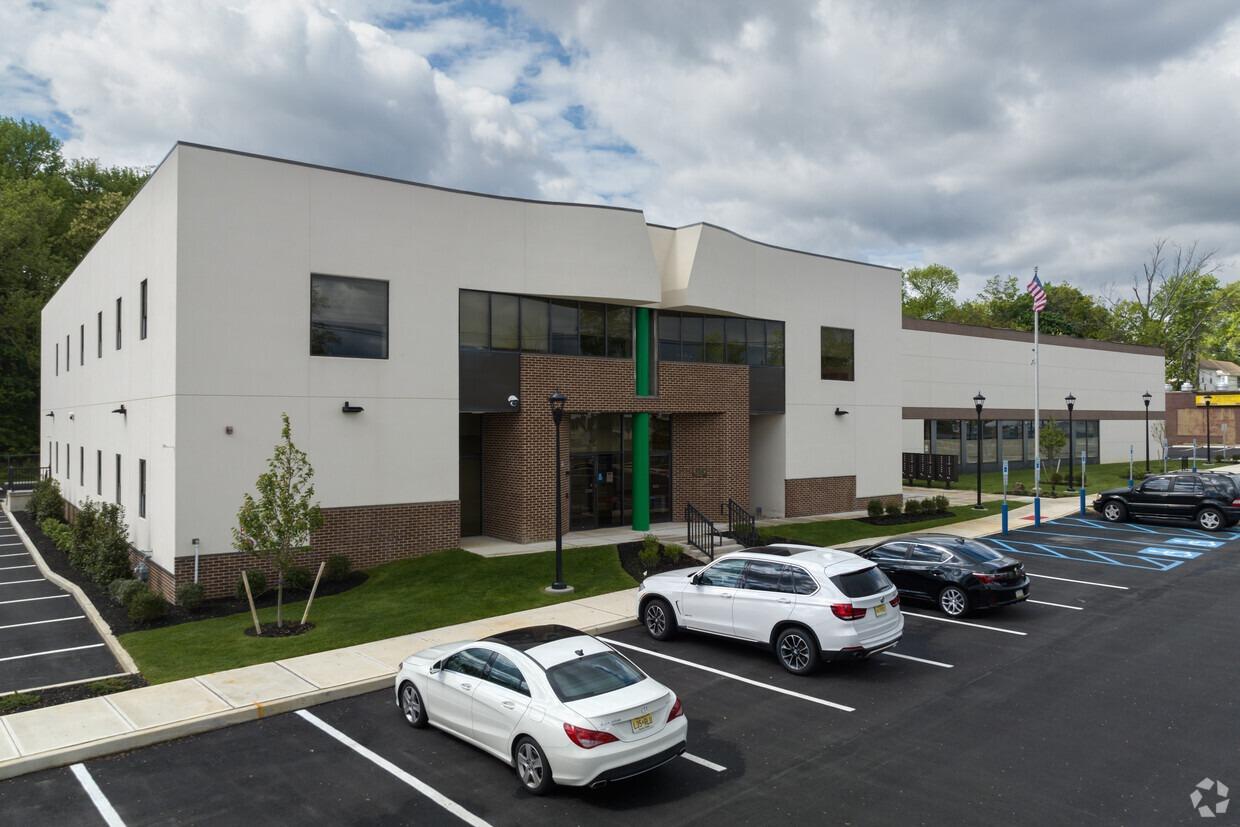
The next step required patience. In 2019, Kiwi Offices began a long-term expansion plan by purchasing an abandoned medical building in Cherry Hill, New Jersey. The property included two office buildings and was in serious disrepair. For many buyers, that condition would have been a warning. For Kiwi Offices, it matched the mission. The site had the bones for a new kind of small-business office environment.
The pandemic delayed the project, as it delayed so much else in commercial real estate. Yet it also made the Kiwi Offices thesis more relevant. Business owners were rethinking what they needed from a workplace. Many did not want giant floor plates or costly prestige addresses. They wanted a place to meet clients, concentrate, store records, hold calls, and separate home from work. They wanted flexibility with substance.
On April 17, 2023, the Cherry Hill location opened. Its two-story East Building introduced a third-generation design with a mix of 50 offices in varying sizes. Some offices included interconnecting suites, allowing tenants to expand without leaving the building. That detail captures the Kiwi Offices advantage. The company is not merely filling space. It is designing around the life cycle of small businesses.
Today, Kiwi Offices offers what Jerjian describes as “a holistic and well priced offer to small businesses.” The phrase is understated, but it defines the brand. The company provides turnkey office space comparable to a serviced furnished apartment. Tenants can arrive, settle in, and operate with control. They gain privacy that coworking may not provide and cost discipline that traditional executive suites may not offer.
The model also speaks to a deeper desire. Small-business owners want to feel established. They want a place where a client meeting feels professional, a team conversation feels focused, and daily work feels easier. Kiwi Offices small business office space answers that need with practical design, shared amenities, and offices scaled for today’s market rather than yesterday’s assumptions.
For founders, consultants, and growing teams in Cherry Hill or Mount Laurel, the next move does not have to be complicated. Those interested can explore Kiwi Offices, compare the locations, and book a tour to see how a private, turnkey office can support their work without weighing down their budget. The right space should help owners look credible, work better, and stay focused on the business they are building.
Explore More About Kiwi Offices
Connect with Kiwi Offices, Christopher Jerjian on LinkedIn, Facebook, Instagram, and X.

Biz Recap Contributor
Covers entrepreneurship, business, and innovation, with an interest in the stories behind founders and growing companies.
This article features partner, contributor, or branded content from a third party. Members of the Biz Recap editorial staff were not involved in the creation of this content. All views and opinions are those of the contributor alone.
You May Also Like

StraightScale Redefines Business Revenue Growth With Its Five Stage Only Choice System

Beyond Wills and Trusts: How Lynita Mitchell-Blackwell Is Transforming Estate Planning Into a Legacy of Love

Why A Leading French Riviera Property Platform Is Expanding Into North Cyprus

How Elite Business Chat Is Changing Customer Chats

XRP ROBINHOOD Focuses on Participation as It Develops Its Online Community