
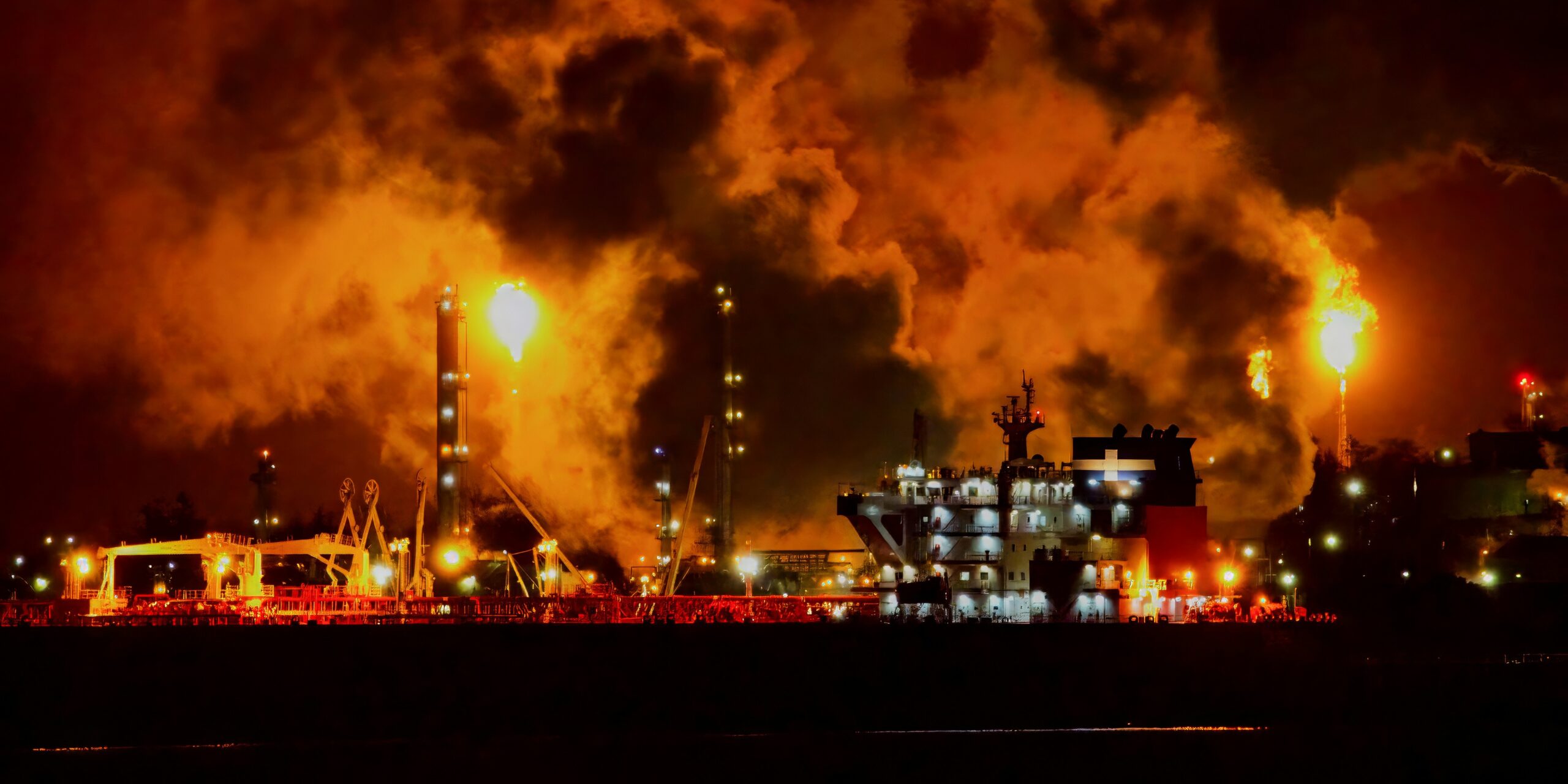
Oil prices surged on Wednesday, posting a strong rebound following days of declines as global energy markets reacted to renewed geopolitical tensions, specifically involving Venezuelan crude exports. The rise in prices was driven by reports that the United States had imposed stricter enforcement measures against oil tankers operating in and out of Venezuelan ports, part of a broader effort to increase pressure on the government of President Nicolás Maduro. This development injected a new layer of uncertainty into the energy supply chain, prompting traders to reassess risk factors and adjust their market positions accordingly.
West Texas Intermediate (WTI) crude futures, the U.S. oil benchmark, climbed above $56 per barrel after dipping below $54 earlier in the week. Brent crude, the international standard, also rallied, nearing $60 per barrel as investors began pricing in potential disruptions to global supply. The rebound in oil markets helped buoy the energy sector on Wall Street, with equities tied to exploration, refining, and oilfield services posting modest gains. These gains offered a counterbalance to continued losses in technology stocks, which have struggled amid concerns about slowing earnings and shifting interest rate expectations.
The market’s reaction stemmed in part from a new directive issued by the White House, ordering expanded naval enforcement around sanctioned Venezuelan shipping operations. According to administration officials, U.S. vessels were authorized to interdict tankers suspected of violating U.S. sanctions, particularly those suspected of transporting crude to countries like China and India through deceptive shipping practices. Several tankers were reportedly delayed or rerouted as companies sought legal guidance and insurance coverage, further exacerbating concerns about supply stability.
Though Venezuela’s oil output represents a relatively modest portion of global supply—hovering around one million barrels per day—the symbolic and logistical impact of such enforcement measures reverberates throughout the market. The blockade has increased freight costs for crude shipments from the Caribbean and South America and raised the geopolitical risk premium, especially for traders betting on continued supply stability in the Western Hemisphere. Energy analysts warned that the situation could escalate further if Venezuela retaliates by halting exports or if shipping companies begin avoiding the region altogether due to legal and financial risks.
Venezuelan officials responded strongly to the blockade, labeling it an act of economic aggression and accusing the U.S. of violating international maritime law. President Maduro’s administration stated that it would explore diplomatic and legal channels to challenge the enforcement actions while vowing to continue oil exports through alternative routes and state-supported shipping arrangements. State oil company PDVSA announced emergency measures, including the rerouting of some exports through non-traditional ports and the use of foreign-flagged vessels to minimize direct confrontation with U.S. authorities.
The tensions around Venezuela come at a time when the global oil market is already navigating a complex mix of influences. While the broader supply outlook has been relatively stable, with increased production from OPEC+ countries and shale producers in the U.S., demand signals remain mixed. China, one of the world’s largest energy consumers, has shown signs of economic deceleration, and its energy imports have fluctuated accordingly. Meanwhile, European energy markets continue to deal with the lingering effects of supply disruptions caused by the Ukraine conflict, compounded by ongoing sanctions targeting Russian oil and gas exports.
Financial markets also remained attuned to domestic macroeconomic indicators. Traders closely watched for upcoming inflation reports and policy commentary from the Federal Reserve, which could shape expectations for interest rate movements in early 2026. While energy prices have retreated from their mid-year highs, they remain a key factor in the inflation equation, influencing both headline figures and consumer sentiment. The Fed’s messaging in recent months has emphasized caution, but any sustained increase in oil prices could complicate the central bank’s efforts to bring inflation back to its long-term target range.
Despite Wednesday’s rally, many analysts remain cautious about the long-term trajectory of oil prices. Market fundamentals continue to signal a delicate balance between supply and demand, with geopolitical events capable of tipping that balance in either direction. Some traders believe that unless there is a major disruption in a large oil-producing country or a significant increase in global demand, current price levels may not be sustainable. Others point out that political instability in key regions—Venezuela, the Middle East, and parts of Africa—will continue to cast a long shadow over energy markets heading into the new year.
Industry executives, for their part, are preparing for a volatile first quarter in 2026. Several multinational oil companies have revised their investment strategies in recent weeks, delaying some exploration projects while accelerating work in lower-risk regions such as the U.S. Gulf Coast. Meanwhile, shipping and logistics firms are facing new challenges related to insurance premiums, rerouting protocols, and regulatory compliance as enforcement patterns evolve.
As the year draws to a close, the December 17 spike in oil prices serves as a reminder of how interconnected energy markets are with global political developments. It also highlights the fragility of supply chains that, while resilient on paper, can be swiftly disrupted by diplomatic actions and enforcement policies. Investors, policymakers, and industry leaders alike will be watching closely in the coming weeks to see whether this rebound represents a short-term reaction or the beginning of a more sustained shift in oil market dynamics.
With ongoing tensions in Venezuela, a vigilant U.S. enforcement posture, and market uncertainty about demand trends, the global energy landscape enters 2026 facing more questions than answers. What remains clear is that oil, despite the push for alternative energy sources, continues to play a critical role not only in the global economy but also in the intricate web of international relations.