The Rise Of AI Data Centers And Their Impact On U.S. Technology Infrastructure In 2026
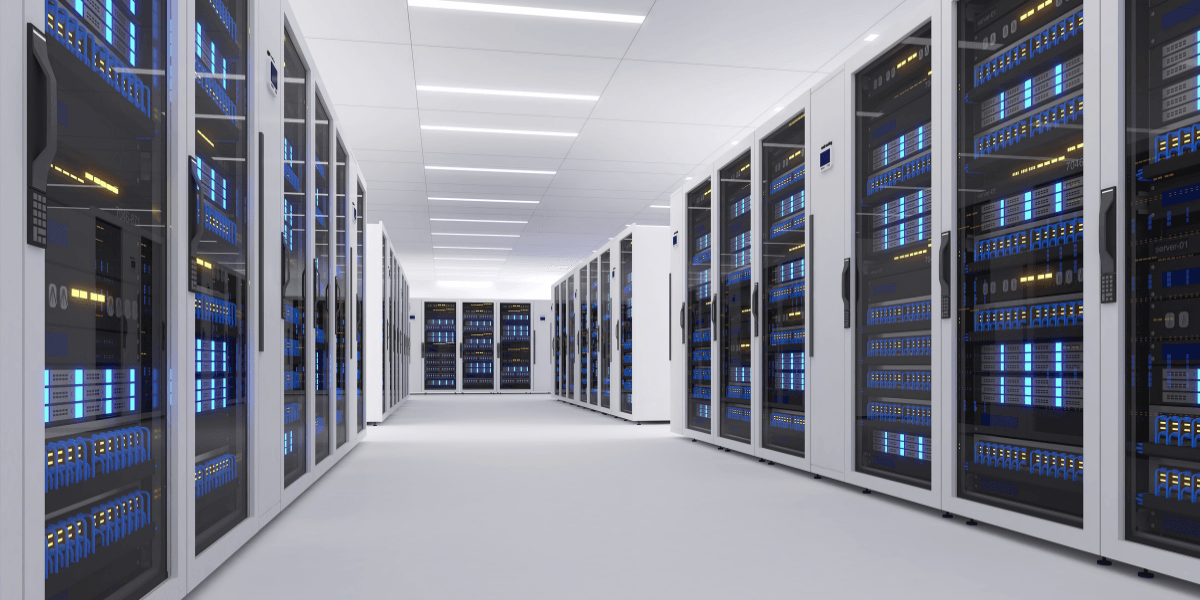
AI data centers are reshaping America's technology infrastructure as rising computing demand drives expansion, innovation, and energy challenges.
Artificial intelligence is transforming America's technology infrastructure, creating unprecedented demand for computing power, electricity, and advanced digital facilities. As businesses increasingly adopt AI applications, data centers have become essential to supporting everything from cloud computing to automated business operations. In 2026, the expansion of AI data centers in the United States is reshaping the technology industry while creating new challenges for energy providers, infrastructure developers, and business leaders.
The transformation extends beyond technology companies. Manufacturers, financial institutions, retailers, and service providers increasingly depend on digital infrastructure to manage information and support daily operations. As a result, the ability to build reliable, efficient computing facilities has become an important factor in the country's technological development.
AI Data Centers Drive Major Infrastructure Expansion
Traditional data centers store information, operate business applications, and support internet services. AI data centers perform these functions while also handling demanding computational tasks required to train and operate artificial intelligence models.
These facilities rely on specialized processors, advanced networking equipment, and sophisticated cooling systems. Their infrastructure must support enormous amounts of data processing while maintaining reliable performance.
Major technology companies have committed substantial resources to expanding computing capacity. Microsoft announced plans to invest approximately $80 billion in AI infrastructure during its 2025 fiscal year, with more than half of that planned spending directed toward the United States.
Such commitments demonstrate the scale of infrastructure required to support modern AI applications. They also highlight how computing capacity has become a strategic priority for companies developing cloud services and enterprise technology.
Rising Electricity Demand Creates New Challenges
One of the most significant consequences of AI data center expansion is increasing electricity consumption.
According to research published by Lawrence Berkeley National Laboratory in June 2026, data centers could account for approximately 11.8% of total U.S. electricity consumption by 2030. The report presented a range of potential outcomes, from 9.5% to 15.3%, depending on future conditions.
These projections represent a substantial increase from 2023, when data centers accounted for approximately 4.4% of American electricity consumption.
The growing demand places additional pressure on electricity infrastructure. Utilities must consider how to accommodate large computing facilities while maintaining dependable service for households and other businesses.
Meanwhile, data center operators face challenges involving electricity availability, cooling requirements, and operational efficiency.
Improving energy efficiency has therefore become an important priority. Advances in processor design, cooling technology, and facility management could help companies use computing resources more effectively.
Cloud Computing And AI Innovation Continue To Converge
The expansion of AI data centers is closely connected to the growth of cloud computing.
Cloud platforms allow businesses to access computing resources without building and maintaining their own large facilities. This model has helped organizations adopt sophisticated digital tools while reducing the need for extensive internal infrastructure.
Artificial intelligence adds another dimension to these services.
Companies can use cloud platforms to develop AI applications, analyze large datasets, improve customer support, and automate repetitive processes.
For smaller businesses, access to shared computing infrastructure can provide opportunities to experiment with advanced technology without purchasing specialized equipment.
However, organizations must still evaluate service costs, data protection requirements, reliability, and compatibility with existing systems.
The growing connection between AI and cloud computing demonstrates how infrastructure development can influence business technology decisions across multiple industries.
Infrastructure Growth Creates Opportunities For Technology Providers
AI data center development involves considerably more than purchasing powerful computer chips.
Building and operating these facilities requires electrical equipment, cooling systems, networking technology, construction materials, and specialized technical expertise.
Consequently, infrastructure expansion can generate demand across several connected industries.
Semiconductor manufacturers develop processors designed for demanding AI workloads. Networking companies provide equipment that allows thousands of computing devices to communicate efficiently. Engineering firms design facilities capable of supporting complex electrical and cooling requirements.
Construction companies and technical service providers also play important roles in developing and maintaining these operations.
This interconnected ecosystem illustrates why AI infrastructure has become a major business consideration beyond the software industry.
Nevertheless, expansion presents operational risks. High construction costs, equipment availability, and electricity constraints can influence project schedules and long term business planning.
What AI Data Center Expansion Means For American Businesses
For business leaders, the growth of AI infrastructure offers several practical lessons.
First, reliable computing capacity is becoming increasingly important for digital operations. Companies adopting AI should assess whether their technology providers can support changing workloads.
Second, operational efficiency matters. Organizations should evaluate the costs and benefits of AI applications rather than assuming every process requires advanced automation.
Third, infrastructure resilience deserves attention. Dependence on cloud platforms makes service reliability, cybersecurity, and business continuity planning essential.
Finally, energy consumption is becoming an important consideration when evaluating technology strategies.
Understanding these factors can help organizations make informed decisions as AI services become more widely available.
The Future Of AI Data Centers In The United States
The expansion of AI data centers represents a significant development in America's technology landscape. Growing demand for computing power is influencing infrastructure investment, electricity planning, cloud services, and industrial innovation.
Although future growth will depend on technology adoption, infrastructure capacity, and economic conditions, current research demonstrates the scale of the changes underway.
For business professionals, the central takeaway is that artificial intelligence depends on more than sophisticated software. Its continued development requires dependable physical infrastructure, efficient computing systems, and thoughtful resource management.
As 2026 progresses, understanding the relationship between AI data centers and technology infrastructure will remain essential for organizations navigating an increasingly digital business environment.

Biz Recap Contributor
Covers business, branding, entrepreneurship, and digital trends, with a focus on making complex topics accessible.
This article features partner, contributor, or branded content from a third party. Members of the Biz Recap editorial staff were not involved in the creation of this content. All views and opinions are those of the contributor alone.
You May Also Like

Beyond Wills and Trusts: How Lynita Mitchell-Blackwell Is Transforming Estate Planning Into a Legacy of Love

Why A Leading French Riviera Property Platform Is Expanding Into North Cyprus

How Elite Business Chat Is Changing Customer Chats

XRP ROBINHOOD Focuses on Participation as It Develops Its Online Community

Detroit Startup Bloom Raises $3.6 Million To Transform American Manufacturing With AI Technology