
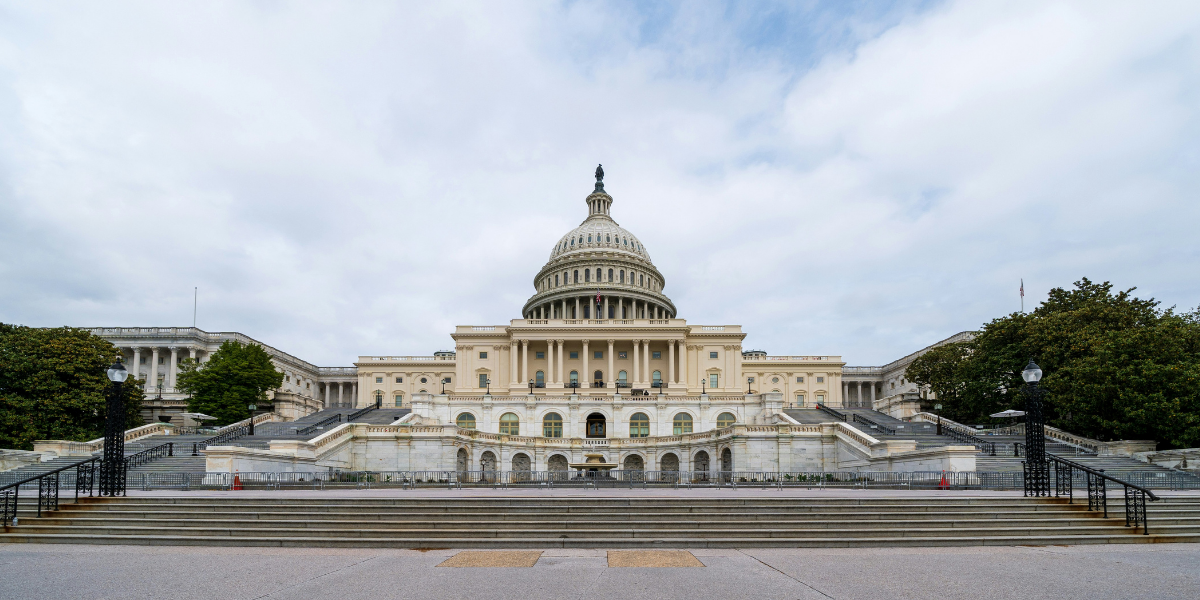
On Tuesday, February 3, 2026, the United States government formally ended a brief partial federal shutdown after Congress approved , and the President signed , a $1.2 trillion appropriations bill to fund most federal agencies through the end of the fiscal year. The agreement resolved a funding lapse that had begun on January 31 but also set the stage for renewed negotiations on key policy priorities as lawmakers work toward full funding for the Department of Homeland Security (DHS).
Background: The Shutdown and Funding Breakdown
A partial government shutdown began on January 31, 2026, after Congress failed to pass all 12 annual appropriations bills required to fund federal operations for the 2026 fiscal year. About half of the executive departments, including Defense, Health and Human Services, Labor, and Transportation, initiated shutdown procedures under the Anti‑Deficiency Act, temporarily halting non‑essential functions.
The impasse stemmed largely from divisive negotiations around DHS funding, which had been separated from other appropriations in an effort to resolve disagreements over immigration enforcement policies. While six of the twelve bills had been enacted previously, the remaining measures stalled due to friction between Senate and House lawmakers.
Congressional Action: Budget Passage
On February 3, the U.S. House of Representatives narrowly approved the funding package in a 217–214 vote, sending the measure to the White House for signature. That vote marked a rare moment of bipartisan compromise: while some members opposed the deal due to its content or process, others crossed party lines to avert prolonged funding lapses and mitigate broader economic disruptions.
The appropriations bill provides full fiscal year funding through September 30, 2026 for 11 of the 12 regular spending bills. This includes major departments such as Defense, Treasury, Health and Human Services, and Education. Only the Department of Homeland Security received short‑term funding , a two‑week continuing resolution through February 13, 2026 , designed to buy time for further negotiation on contentious policy issues.
Presidential Signature and Executive Response
President Donald Trump signed the bipartisan spending package later in the day, officially ending the partial government shutdown that had disrupted certain federal operations and continued funding through much of the year. The President’s approval followed the House passage and capped days of legislative brinkmanship.
Administration officials noted that the deal allows most government functions to continue operating smoothly, preserving services for citizens and federal workers alike. The short extension for DHS funding underscores the ongoing debate over immigration policy and enforcement oversight , areas that remain politically sensitive and unresolved.
Economic and Market Impacts
Although brief, the shutdown had potential implications for market sentiment and business planning. On February 3, U.S. stock markets reacted to mixed trading and broader economic dynamics, with major indices displaying modest declines. The S&P 500 fell 0.8%, the Dow Jones Industrial Average dipped 0.3%, and the Nasdaq Composite lost 1.4% on the day. Market commentary linked these movements to tech sector pressures and ongoing macroeconomic uncertainty , attitudes that can be exacerbated by fiscal policy uncertainty.
Ending the shutdown removed immediate fiscal risk for businesses and investors, reducing the prospect of wider economic fallout had funding lapses extended into critical government services or consumer support programs.
Remaining Negotiations and Policy Stakes
Despite the compromise to end the shutdown, DHS funding remains a matter of contention. Lawmakers have until mid‑February to reach an agreement on long‑term financing for the department and to address calls from some Democratic members for enhanced oversight of immigration enforcement operations , particularly in the wake of public concerns over federal enforcement actions.
The temporary solution buys time but signals that fiscal negotiations are far from over. Business leaders will be watching closely, as continued uncertainty around federal spending priorities , especially in areas directly affecting labor, homeland security, and regulatory enforcement , could have ripple effects on industries ranging from transportation logistics to national infrastructure investment.
Significance for Business and Public Services
This budget resolution represents an important moment of fiscal policy management for the U.S. government as it balances legislative negotiations with operational stability. For businesses and public stakeholders, averting a prolonged shutdown helps minimize disruptions to economic planning, contract execution, and regulatory engagement.
Still, the political compromises inherent in the continuing resolution reflect broader tensions in U.S. policymaking, particularly around immigration enforcement and federal spending priorities. Companies that rely on government contracts, regulatory approvals, or public services are likely to monitor the upcoming DHS negotiations for indicators of future policy direction.