U.S. Government Eyes Equity Stake in Domestic Chip Startup to Boost Semiconductor Self-Reliance
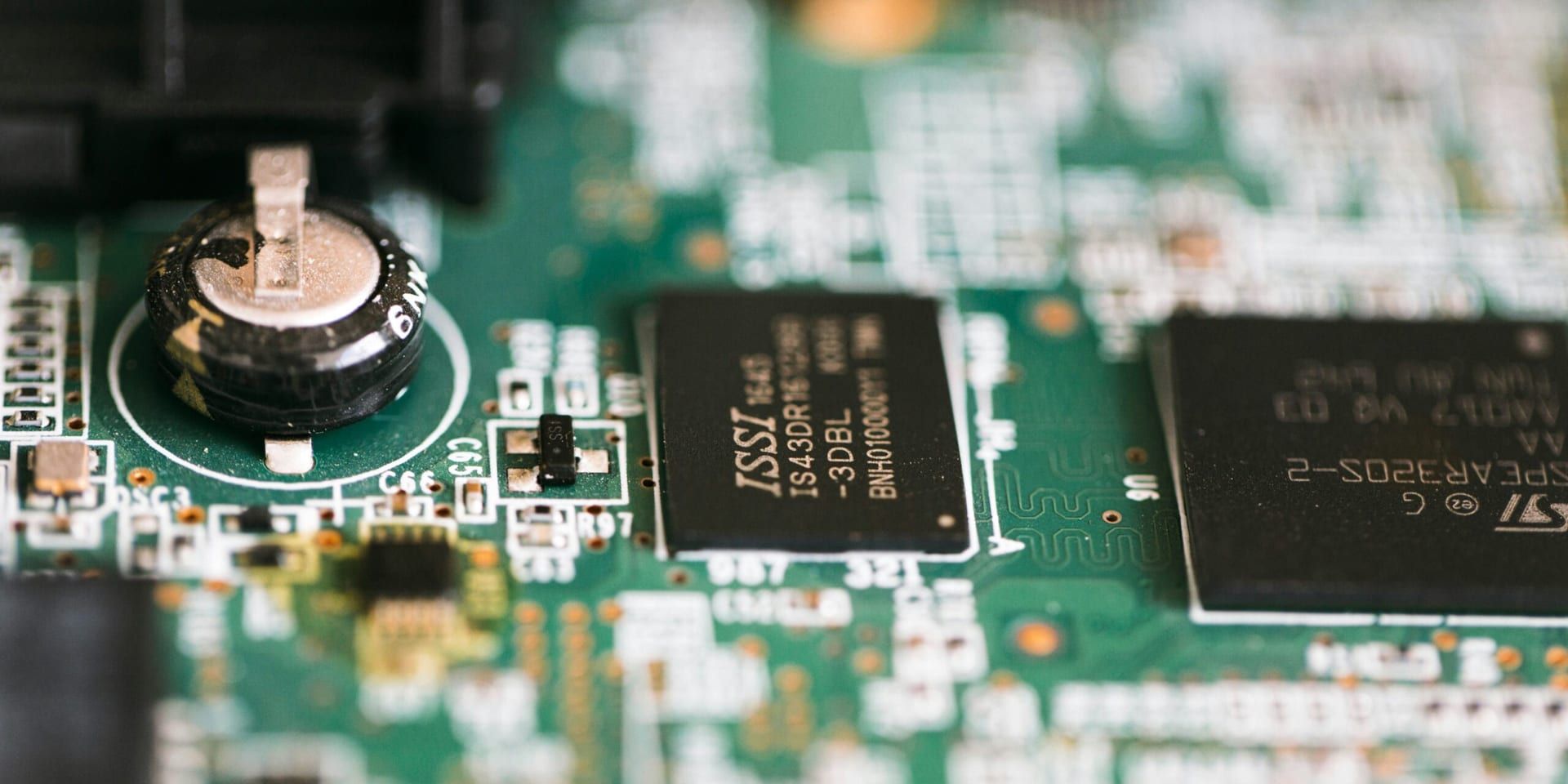
On December 2, 2025, the U.S. government announced its move to invest up to $150 million in xLight, a semiconductor startup founded in 2021 and led by Pat Gelsinger, the former CEO of Intel. This investment would take the form of direct equity through a nonbinding letter of intent with the U.S. Department of Commerce. The deal highlights the government’s ongoing efforts to bolster U.S. leadership in the semiconductor industry, particularly as part of a broader strategy outlined under the CHIPS and Science Act.
xLight is at the forefront of developing free-electron laser technology that aims to enable advanced, cost-effective extreme-ultraviolet (EUV) lithography, a crucial process in the manufacturing of cutting-edge semiconductor chips. EUV lithography plays a vital role in producing smaller, more powerful chips, which are essential for everything from consumer electronics to national security applications. The U.S. government’s financial backing of xLight is viewed as a strategic effort to reduce the nation’s dependency on foreign semiconductor suppliers, many of which are based in regions that are increasingly susceptible to geopolitical tensions.
This investment marks the first time the U.S. government has directly invested equity in a domestic chip manufacturer, signaling a new approach to industrial policy. Traditionally, government support for the semiconductor sector has been through grants or research funding, but this equity investment could create a more direct and involved role for the federal government in the development of cutting-edge technologies. It reflects a growing recognition of the strategic importance of semiconductor manufacturing to U.S. competitiveness and security.
For the broader technology industry, the government’s involvement in xLight could accelerate the development of domestically produced advanced chips. By fostering innovation within the U.S. and spurring competition with dominant overseas foundries, the move could help the country secure more resilient and self-sufficient semiconductor supply chains. This is especially important as global tensions over trade and technology access continue to escalate, making supply chains vulnerable to disruptions.
If xLight’s technology succeeds, it could represent a major milestone in the U.S.’s push to reclaim leadership in the high-end semiconductor sector. With the semiconductor industry being critical not only for economic competitiveness but also for national security, the potential for success could have far-reaching implications. A robust domestic semiconductor industry would help the U.S. reduce reliance on foreign supply chains, mitigate risks related to global trade tensions, and ensure the security of critical technologies.
In essence, this investment in xLight is more than just a financial move; it is a signal of the government’s commitment to ensuring that the U.S. remains at the forefront of semiconductor manufacturing. If the initiative succeeds, it could pave the way for future partnerships between the government and private companies in the tech sector, helping to reshape the landscape of semiconductor production and strengthen the nation’s technological and economic foundation.

Biz Recap Contributor
Covers business, branding, entrepreneurship, and digital trends, with a focus on making complex topics accessible.
This article features partner, contributor, or branded content from a third party. Members of the Biz Recap editorial staff were not involved in the creation of this content. All views and opinions are those of the contributor alone.
You May Also Like

Atlantic Health Strategies Builds Behavioral Health

Accelevation Raises $540 Million in Major U.S. IPO as Data Center Infrastructure Demand Grows

IROS 2026 Brings the Next Wave of Robotics Innovation to Pittsburgh

Microsoft Expands Copilot With New AI Tools Designed To Transform How Businesses Work

U.S. Business Activity Reaches Its Strongest Pace In More Than Five Years