
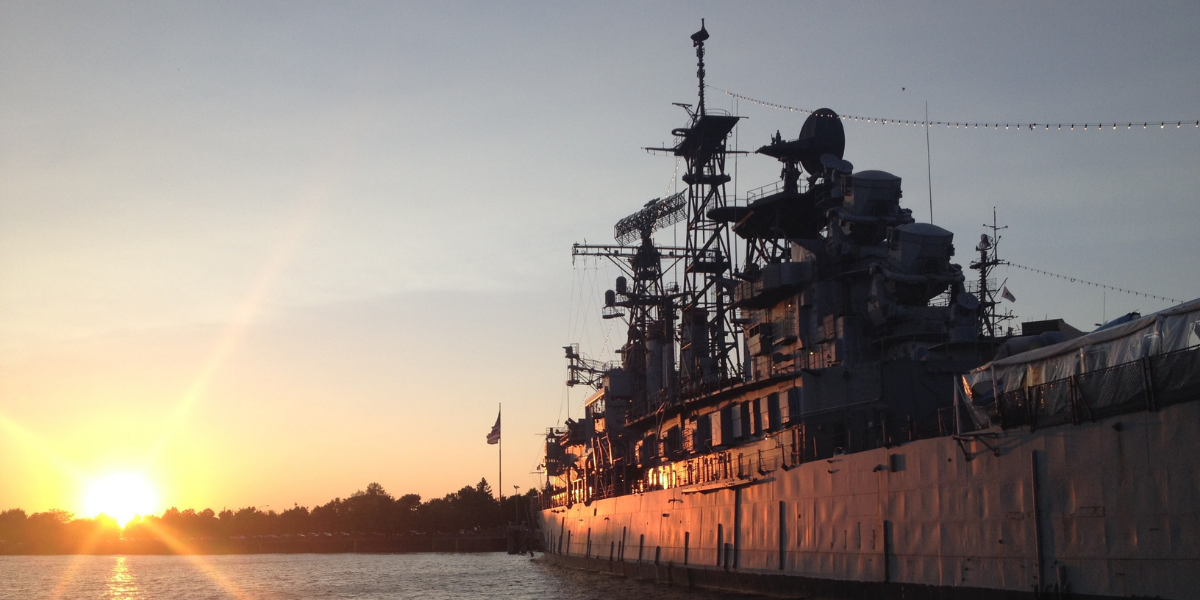
On April 13, 2026, the United States launched a significant military and economic escalation by initiating a naval blockade targeting Iranian ports and coastal areas. The move followed the breakdown of high-level diplomatic talks over the weekend and immediately sent ripples through global financial markets, energy supply chains, and corporate outlooks. As one of the most consequential developments affecting the business environment today, the blockade underscores the interconnected nature of geopolitics and global commerce.
Breakdown of Diplomacy and Immediate Action
The decision to implement the blockade came after negotiations between U.S. and Iranian officials failed to produce a resolution. Talks held over the weekend ended without agreement, with both sides attributing the failure to fundamental differences.
In response, U.S. authorities moved quickly to restrict maritime access to Iranian ports, a strategic step that affects one of the most critical oil transit corridors in the world. Early reports indicated disruptions to shipping routes, with vessels halting movement through key waterways as uncertainty escalated.
While the blockade does not fully close the Strait of Hormuz, it represents a significant constraint on regional trade. The Strait is a vital chokepoint through which a substantial portion of the world’s oil supply flows, making any disruption highly consequential for global markets.
Energy Markets React: Oil Prices Surge
One of the most immediate impacts of the blockade has been a sharp increase in oil prices. Crude benchmarks surged past the $100 per barrel mark, reflecting heightened concerns about supply shortages and prolonged disruption.
This spike follows an already volatile period in energy markets. Analysts note that oil prices have been climbing in recent weeks due to escalating tensions, with the blockade amplifying fears of further instability.
For businesses, particularly those in transportation, manufacturing, and logistics, the rise in fuel costs introduces renewed pressure on operating margins. Higher energy prices also risk contributing to broader inflation, affecting both corporate planning and consumer spending.
Financial Markets and Investor Sentiment
Equity markets reacted cautiously to the escalation. U.S. stock futures declined as investors reassessed risk levels amid the unfolding situation.
The timing of the blockade adds another layer of complexity, coinciding with the start of the first-quarter earnings season. Major corporations and financial institutions are set to report results, and their outlooks may now reflect increased uncertainty tied to geopolitical developments.
Market analysts suggest that investor sentiment is likely to remain cautious in the near term, with potential for heightened volatility as new developments emerge.
Broader Business Implications
The blockade has implications that extend well beyond energy and financial markets. Global supply chains, which have already faced disruptions in recent years, may encounter further challenges. Shipping delays, increased insurance costs, and rerouted logistics networks could impact industries ranging from consumer goods to heavy manufacturing.
Multinational companies with exposure to international trade routes or energy-intensive operations may need to reassess risk management strategies. Immediate priorities are likely to include contingency planning, supplier diversification, and cost optimization.
This situation also highlights the vulnerability of global commerce to geopolitical shocks. Even regionally focused events can produce widespread economic consequences due to the interconnected nature of trade and finance.
Inflation and Economic Outlook
Rising oil prices are a key driver of inflation, influencing transportation costs, production expenses, and ultimately consumer prices. With inflation already a concern in many economies, the current developments may add further upward pressure.
For policymakers and business leaders, this creates a challenging environment. Balancing economic stability with external disruptions becomes increasingly complex, particularly when key variables such as energy prices are influenced by geopolitical factors.
Key Takeaways for Business Leaders
- Geopolitical risk remains critical: Businesses must incorporate global risk monitoring into their strategic decision-making.
- Energy costs can shift rapidly: Organizations should evaluate energy efficiency and alternative sourcing strategies.
- Market conditions may remain volatile: Flexibility and adaptability are essential in uncertain environments.
- Supply chain resilience is vital: Diversification and contingency planning can help mitigate disruption risks.
Conclusion
The U.S. naval blockade of Iranian ports marks a pivotal development with immediate and far-reaching economic consequences. From rising oil prices to shifting investor sentiment, the ripple effects are being felt across industries worldwide.
As the situation evolves, its long-term impact will depend on how quickly stability can be restored to global trade routes. For businesses, the event reinforces the importance of preparedness, adaptability, and strategic resilience in a