
A major acquisition announced this month is drawing attention across the global business community as investors move aggressively to secure energy infrastructure capable of supporting the rapid growth of artificial intelligence (AI). A consortium led by BlackRock’s Global Infrastructure Partners and investment firm EQT has agreed to acquire U.S. utility and power-generation company AES in a deal valued at approximately $10.7 billion. The transaction underscores the increasing importance of reliable electricity supply in the rapidly evolving digital economy.
The deal reflects a broader shift in global investment priorities, as companies and infrastructure investors position themselves to meet the rising energy demands of AI data centers, cloud computing platforms, and large-scale digital services. As technology companies accelerate the development of advanced AI systems, the infrastructure required to power these systems is becoming a strategic priority for investors and utilities alike.
Details of the Acquisition
Under the agreement, the investor consortium will purchase AES shares at $15 per share, representing a substantial premium compared with the company’s recent trading levels before reports of the potential transaction surfaced. When factoring in debt and other financial obligations, the total enterprise value of the acquisition is estimated to reach approximately $33.4 billion.
The investment group includes several major institutional partners alongside BlackRock and EQT, including large pension funds and sovereign wealth investors seeking long-term infrastructure opportunities. Once the acquisition is completed, AES is expected to transition from a publicly traded company to a privately held enterprise. The transaction is anticipated to close in late 2026 or early 2027, pending regulatory approvals and customary closing requirements.
Major acquisitions of this scale often produce short-term fluctuations in market sentiment. While the offer price represents a premium, market reactions following the announcement illustrated how large corporate transactions can trigger mixed responses from investors evaluating the long-term strategic implications.
Energy Infrastructure and the AI Boom
The acquisition highlights a rapidly emerging trend: the explosive growth of artificial intelligence and digital services is driving unprecedented demand for electricity. Data centers supporting AI training models, cloud platforms, and large-scale digital operations require enormous computing power, which in turn requires substantial energy resources.
Industry analysts increasingly point to AI infrastructure as one of the fastest-growing drivers of global electricity consumption. High-performance computing facilities operate thousands of processors simultaneously and rely on large-scale cooling systems, both of which significantly increase energy usage.
As a result, utilities capable of generating and delivering reliable electricity at scale are becoming attractive investment targets. Investors are focusing on companies that operate power generation facilities, manage transmission networks, and develop energy storage technologies capable of stabilizing modern electricity grids.
Executives involved in the acquisition have emphasized that the energy sector will play a critical role in supporting future technological expansion. Meeting the energy needs of the digital economy will require significant investment in new power generation capacity as well as modernization of transmission infrastructure.
AES and Its Position in the Energy Market
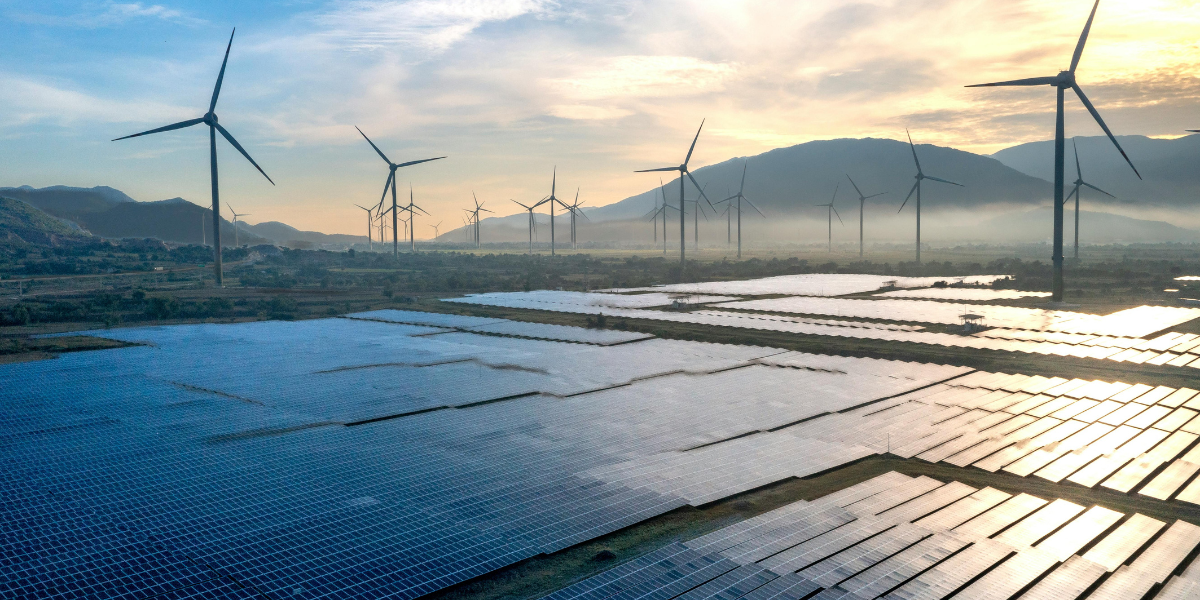
AES has established itself as a major participant in modern energy systems, particularly through its investments in renewable energy projects and battery storage technology. The company operates power generation assets across multiple regions and has developed partnerships with major technology companies seeking long-term electricity supply agreements.
These partnerships place AES in a strategic position as global technology firms continue expanding their digital infrastructure. Many large cloud providers and technology companies are seeking reliable energy sources to support rapidly growing data center operations.
The company has also invested heavily in battery storage projects designed to enhance grid stability and support the integration of renewable energy sources. These technologies allow electricity providers to store energy during periods of lower demand and distribute it when demand increases, improving efficiency across the power grid.
Executives have indicated that the acquisition could help provide the financial resources needed to support long-term expansion projects, including new energy infrastructure initiatives planned for the coming decade.
A Growing Trend in Infrastructure Investment
The AES acquisition reflects a broader global trend in infrastructure investment. As technological innovation accelerates, companies across the digital economy are increasing spending on the physical systems required to support computing, connectivity, and energy distribution.
Technology companies are investing heavily in new data centers, semiconductor manufacturing facilities, and AI development platforms. This surge in investment is creating additional demand for industries that supply critical infrastructure, including energy providers, equipment manufacturers, and networking technology firms.
Institutional investors such as pension funds and infrastructure-focused investment firms are increasingly targeting these sectors as long-term opportunities. Infrastructure assets often provide stable revenue streams and are considered essential components of modern economies.
Energy infrastructure, in particular, is gaining strategic importance because it underpins the operation of nearly every modern technology platform.
Implications for the Business Community
For businesses operating in technology, cloud services, and digital infrastructure, the acquisition highlights the growing importance of energy strategy. Companies developing AI platforms and operating large-scale data centers must ensure consistent access to electricity in order to maintain reliable services and support future growth.
For investors, the deal signals that infrastructure supporting emerging technologies may become one of the most important areas of long-term capital allocation. Energy systems, in particular, are expected to play a critical role in enabling the next generation of technological innovation.
Finally, the transaction illustrates how the intersection of energy infrastructure and advanced technology is reshaping the global business landscape.
Key Takeaway
The $10.7 billion acquisition of AES reflects the growing connection between energy infrastructure and the expansion of artificial intelligence. As technology companies continue to scale up their computing capabilities, the demand for reliable power is expected to rise significantly. Investors and infrastructure providers are increasingly positioning themselves to support the energy needs of the digital economy.