Exploring Drone Delivery Solutions: U.S. Retailers Pilot Initiatives in Suburban Areas
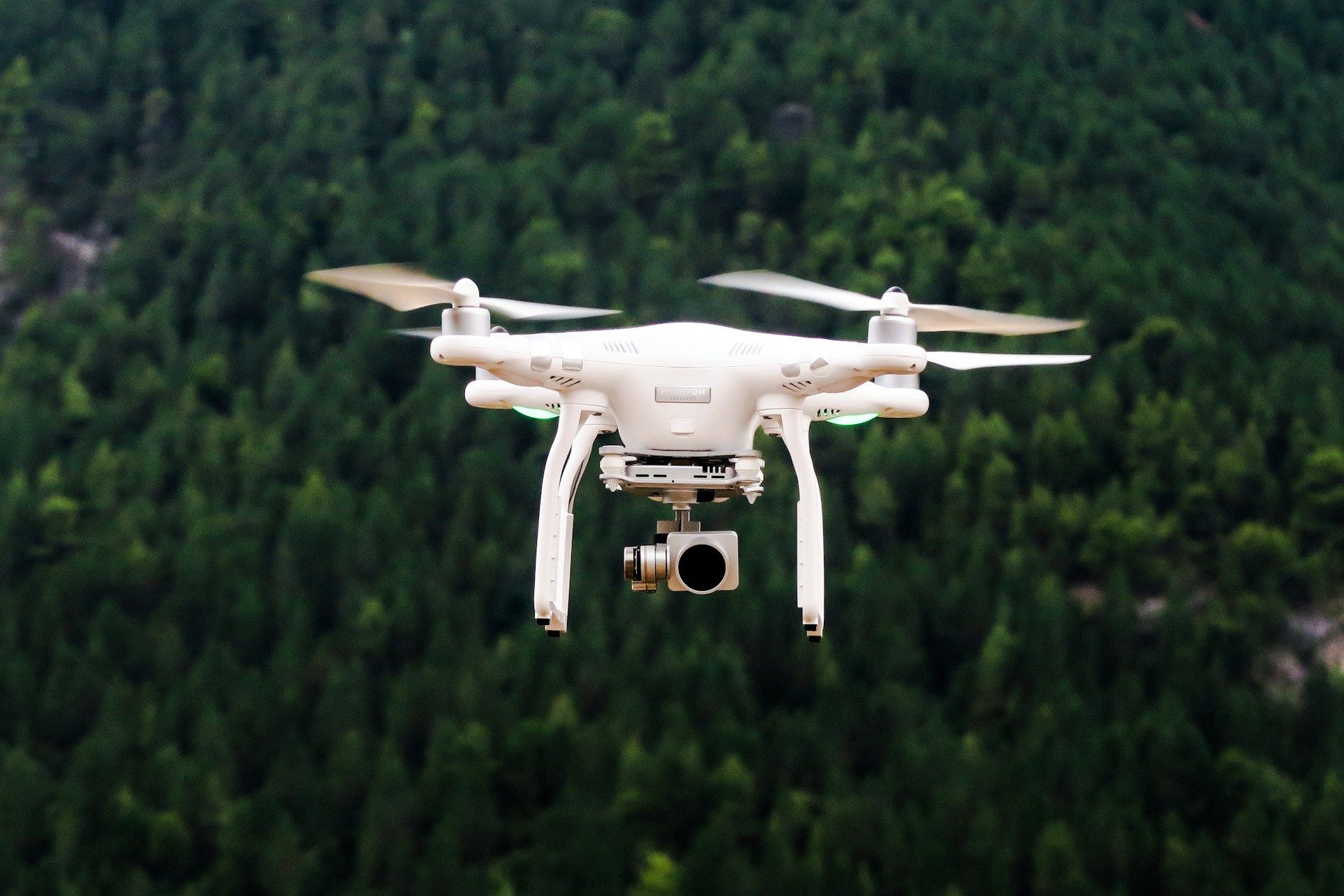
Drone Delivery Expands Beyond Urban Centers in the U.S.
As of November 2024, the landscape of logistics in the United States is undergoing a transformative shift, with retailers venturing into suburban markets to implement drone delivery services. This significant expansion signifies a departure from the traditional urban-centric model, as businesses aim to enhance their service efficiency and meet customer demand for quicker deliveries.
How Drone Delivery Works
Drone delivery relies on advanced technology that allows unmanned aerial vehicles (UAVs) to autonomously transport packages directly to the customer’s specified location. Equipped with GPS systems and advanced sensors, these drones navigate pre-defined air corridors designed to optimize safety and efficiency during flight. The process minimizes human intervention, allowing for seamless and timely deliveries. Mark Reyes, a retail logistics consultant, highlights the advent of suburban drone delivery, stating, “Suburban drone delivery is the next frontier for logistics. It’s bridging the gap between speed and convenience.” This innovation promises to enhance the overall delivery experience for consumers living in suburban areas.
Industry Leaders Taking the Lead
The movement towards suburban drone delivery has seen participation from significant industry players, enhancing the credibility and operational capabilities of these initiatives. Walmart and Target are at the forefront, experimenting with drone services for grocery and small-item deliveries aimed at suburban neighborhoods. Concurrently, Amazon Prime Air is expanding its drone fleet to cover medium-density residential areas, with ambitions to cut delivery times down to under 30 minutes. In the pharmaceutical sector, companies like Walgreens and CVS are leveraging drones to deliver medications and health products, addressing the critical need for timely healthcare solutions.
Benefits for Suburban Customers
The shift towards drone delivery in suburban markets offers a plethora of benefits for residents. One of the most notable advantages is the access to faster, eco-friendly deliveries that cater particularly to urgent or time-sensitive needs. For instance, in emergencies or situations where speed is essential, drone deliveries can make a significant difference. Moreover, retailers stand to gain from reduced transportation costs and expanded service areas, enhancing overall operational efficiency while also meeting consumer demands.
Barriers to Scaling Drone Delivery Services
Despite the promising outlook of drone deliveries, several barriers hinder the scalability of this service. Regulatory frameworks established by the Federal Aviation Administration (FAA) present challenges that companies must navigate carefully. Additionally, weather variability can disrupt drone operations, raising concerns about reliability and consistency in delivery. Public acceptance also plays a crucial role; as businesses trial these drones, establishing trust within local communities is essential for wider adoption of this delivery method.
The Growing Role of Drones in Last-Mile Delivery
As we look towards the future, November 2024 marks a pivotal moment in the integration of drone technology into last-mile delivery logistics. As retailers and logistics companies continue to explore new territorial boundaries, the combined efforts to refine operations and address public concerns will be crucial for success. The ongoing pilot programs in suburban areas serve as a testing ground for the maturation of this delivery model, potentially leading to a paradigm shift in how goods are delivered across the United States.
Conclusion
In conclusion, the expansion of drone delivery services into suburban markets represents a significant advancement in retail logistics. By leveraging technology to provide faster and more efficient delivery options, retailers can meet the evolving expectations of their customers. While challenges such as regulatory compliance and public acceptance persist, the benefits of drone delivery pave the way for a more connected and responsive retail environment. As industry leaders continue to innovate, the potential for drone delivery to become commonplace in various sectors grows increasingly plausible.
FAQs

Biz Recap Contributor
Covers business, branding, entrepreneurship, and digital trends, with a focus on making complex topics accessible.
This article features partner, contributor, or branded content from a third party. Members of the Biz Recap editorial staff were not involved in the creation of this content. All views and opinions are those of the contributor alone.
You May Also Like

Atlantic Health Strategies Builds Behavioral Health
Accelevation Raises $540 Million in Major U.S. IPO as Data Center Infrastructure Demand Grows

IROS 2026 Brings the Next Wave of Robotics Innovation to Pittsburgh

Microsoft Expands Copilot With New AI Tools Designed To Transform How Businesses Work

U.S. Business Activity Reaches Its Strongest Pace In More Than Five Years