Agility Robotics Makes Nasdaq Debut As Humanoid Robots Enter A New Era Of Commercial Growth
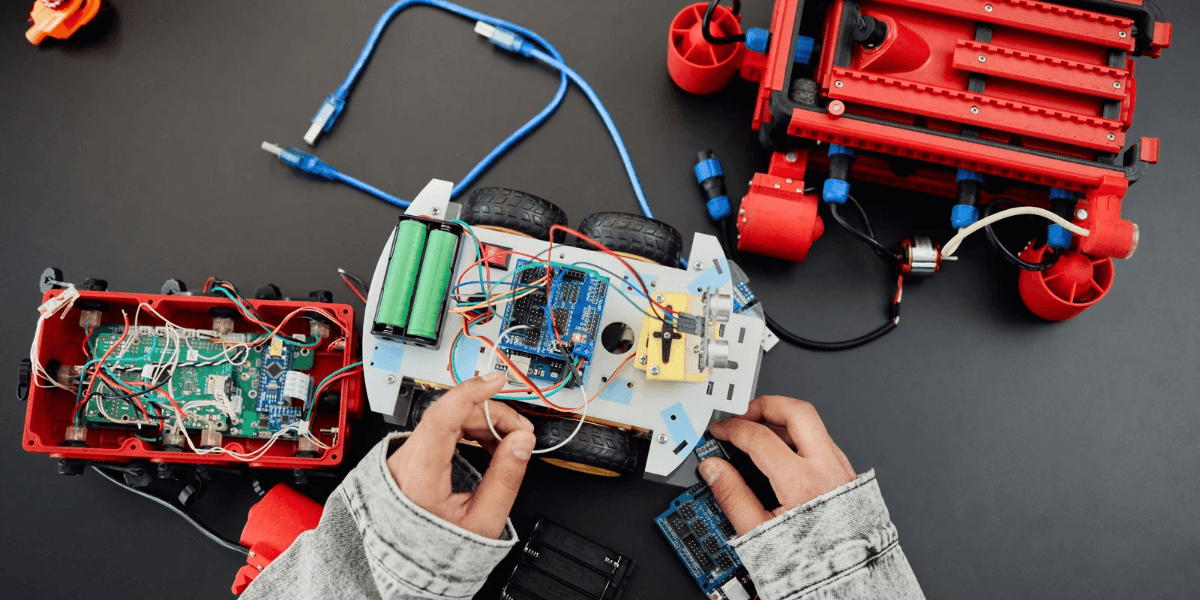
Agility Robotics begins Nasdaq trading on November 5, 2026, marking a major milestone for humanoid robotics and industrial automation.
The future of industrial automation reached a significant milestone on November 5, 2026, as Oregon based Agility Robotics began trading on the Nasdaq Stock Market. The event marked a major development for an industry seeking to move humanoid robots beyond research laboratories and into everyday business operations. With its flagship robot, Digit, already performing tasks in commercial facilities, Agility Robotics is demonstrating how artificial intelligence and advanced machinery can work together in manufacturing and logistics. The public market debut also highlights growing interest in technology designed to address physically demanding workplace tasks.
Agility Robotics Completes Major Business Milestone
Agility Robotics entered the public market under the ticker symbol AGLT following its completed business combination with Churchill Capital Corp XI. The transaction and related financing arrangements generated approximately $465 million in gross capital before expenses. According to the company's November 5 announcement, the funding is intended to support manufacturing expansion, customer deployments, and further development of its robotics technology.
The company describes itself as the first publicly listed American business focused exclusively on humanoid robotics with active commercial deployments. Its entry into the public market represents an important transition from privately funded technology development toward broader commercial expansion. However, the milestone does not eliminate the challenges associated with manufacturing costs, reliability, and long term profitability.
Digit Humanoid Robots Move Into Real Workplaces
At the center of Agility Robotics' strategy is Digit, a humanoid robot developed to operate in environments originally designed for human workers. Unlike traditional industrial robots that typically remain within fixed production areas, Digit is designed to move through existing facilities and handle selected physical tasks.
The company reports more than 65,000 hours of real world robot operations. Its commercial customers include logistics provider GXO, industrial manufacturer Schaeffler, and Toyota Motor Manufacturing Canada.
At a GXO facility in Georgia, Digit has reportedly moved more than 100,000 containers known as totes. The companies also announced plans to expand deployments into two additional American logistics facilities in early 2027. These developments provide examples of practical applications, although broader productivity benefits will depend on performance across different operating environments.
New Digit 5 Technology Targets Industrial Efficiency
Agility Robotics is also preparing to expand its commercial offerings through Digit 5, the next generation of its humanoid robot platform. Introduced in September 2026, the system incorporates updated movement technology, interchangeable gripping tools, and expanded object handling capabilities.
According to the company, Digit 5 is being engineered to repeatedly lift loads weighing up to 50 pounds. Its planned battery system is designed to support rapid charging, while updated safety technology aims to improve cooperation between robots and employees.
Agility reports more than $300 million in committed orders for Digit 5 over multiple years. These commitments remain subject to contractual milestones and technical requirements, meaning they should not be interpreted as completed sales. Early customer access is expected during the first half of 2027, with wider availability targeted for the end of that year.
Manufacturing Expansion Supports Commercial Ambitions
The company's growth strategy includes investment in domestic manufacturing and engineering infrastructure. Its RoboFab facility in Salem, Oregon, covers approximately 70,000 square feet and is designed for an eventual annual production capacity of up to 10,000 robots.
Agility also maintains engineering operations in Fremont, California, and has announced a 50,000 square foot expansion in Pittsburgh, Pennsylvania. These locations support hardware development, artificial intelligence research, software engineering, and customer operations.
Technology collaborations with NVIDIA, FORT Robotics, and Nyobolt are intended to strengthen computing capabilities, industrial safety, and battery performance. Together, these investments illustrate the substantial infrastructure required to turn advanced robotics into commercially available industrial equipment.
What Agility Robotics Means For American Businesses
The November 5 milestone offers several important lessons for business leaders. First, humanoid robotics is increasingly being tested against measurable operational requirements rather than laboratory demonstrations alone. Second, successful adoption will depend on dependable performance, workplace safety, maintenance, and integration with existing systems.
Businesses evaluating automation should also distinguish between confirmed deployments, future orders, and planned technical capabilities. While robotics could help organizations manage repetitive tasks, commercial success will require evidence of consistent performance and sustainable operating costs.
Agility Robotics faces competition from established technology companies and emerging robotics manufacturers. Its public debut creates a prominent example of how the sector is evolving, but widespread adoption remains an ongoing process rather than an accomplished outcome.
A Defining Moment For The Future Of Industrial Automation
Agility Robotics' Nasdaq debut on November 5, 2026, represents a notable milestone in the commercialization of humanoid robotics. Its operational experience, customer relationships, and manufacturing investments provide a foundation for expansion, while technical and financial challenges remain.
For manufacturers, logistics operators, and technology professionals, the development is worth following as industrial automation evolves. The company's progress offers a useful opportunity to examine how humanoid robots may support workplace efficiency, reshape industrial processes, and influence the next generation of business technology.

Biz Recap Contributor
Covers business, branding, entrepreneurship, and digital trends, with a focus on making complex topics accessible.
This article features partner, contributor, or branded content from a third party. Members of the Biz Recap editorial staff were not involved in the creation of this content. All views and opinions are those of the contributor alone.
You May Also Like

LifeOS™ Is Live: Donald Lavoile's AI Vision

Meta Raises $15 Billion In U.S. Bond Sale As Artificial Intelligence Infrastructure Spending Accelerates

U.S. Daylight Saving Time Ends November 1, 2026: What The Clock Change Means For American Businesses

Memorra: Best Digital Legacy Technology Platform in the USA of 2026

US Economy Grows 3.4 Percent In Third Quarter As Consumer Spending And Business Investment Strengthen