
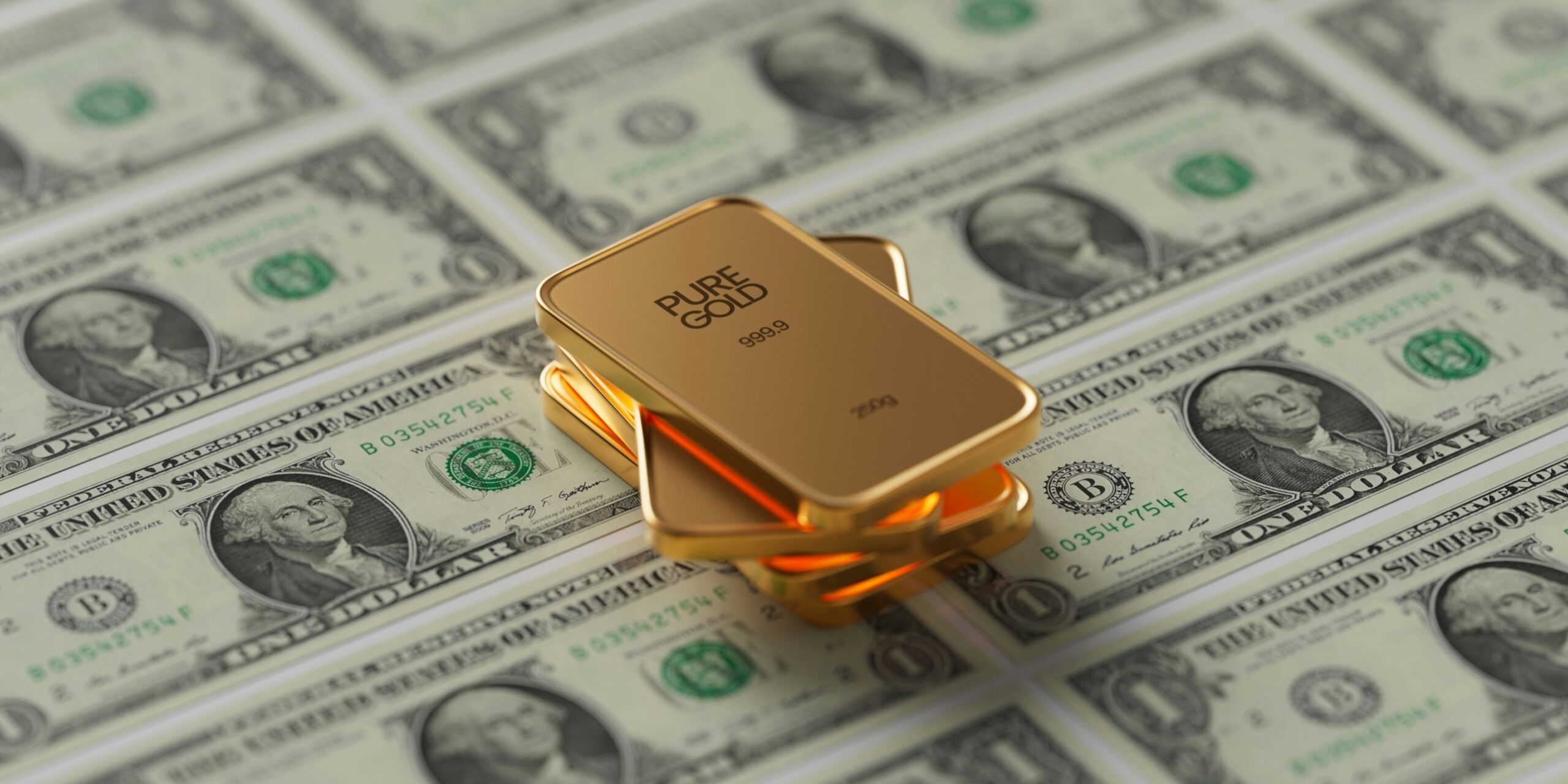
Gold prices soared to record-breaking levels in January 2026, with spot prices surging past $4,600 per ounce for the first time in history. This sharp rise reflects a growing wave of investor concern about the global economic landscape, prompting a widespread shift toward traditional safe-haven assets. The dramatic upswing in gold valuation was driven by a complex mix of geopolitical instability, uncertain U.S. monetary policy, and persistent volatility in global equity markets.
The surge began gaining momentum in late 2025, but accelerated significantly in the opening weeks of the new year. Investors increasingly sought stability amid a series of geopolitical developments, including ongoing conflicts in parts of the Middle East and rising tensions in East Asia, both of which injected a degree of unpredictability into international markets. Simultaneously, central bank actions — particularly speculation about whether the U.S. Federal Reserve would ease interest rates — have further complicated the economic outlook. This combination of uncertain monetary policy and global instability has made gold particularly attractive.
Unlike interest-bearing assets such as bonds, gold does not offer regular income. However, during periods of low or declining interest rates, the opportunity cost of holding gold diminishes. With growing expectations that the Federal Reserve could begin trimming rates later this year in response to slowing growth indicators and mixed inflation data, the appeal of non-yielding assets like gold has surged. Additionally, the relative weakening of the U.S. dollar has made gold more accessible to international investors, who are using their stronger local currencies to purchase bullion.
Retail and institutional investors alike have participated in this rally. Retail buyers have increased demand for physical gold, coins, and exchange-traded funds, while institutional investors have rebalanced portfolios to include larger allocations in commodities as a hedge against market instability. Analysts report that several hedge funds and sovereign wealth funds have also made strategic moves into gold markets in recent weeks, further contributing to the momentum.
Silver has also joined the rally, briefly surpassing $90 per ounce — a level not seen in modern trading history. While gold remains the primary safe-haven asset of choice, silver’s industrial uses have helped amplify demand from sectors that see it not only as a store of value but also as a hedge against supply chain and manufacturing disruptions.
In markets such as India and China, which are traditionally strong gold-buying countries, local gold prices have reached new highs when adjusted for currency fluctuations. However, the surge has also tempered consumer demand in those regions, particularly in jewelry sectors, where buyers are more price-sensitive. Instead of making new purchases, many consumers are opting to exchange old jewelry or wait for price corrections before investing in additional gold.
Despite its historic climb, gold has exhibited short-term volatility, with intermittent pullbacks as traders lock in profits or react to new economic data releases. Market watchers caution that while the long-term trend appears strong, the rally could experience fluctuations if central banks unexpectedly alter course on interest rates or if geopolitical tensions ease in the coming months. Even so, the general consensus among analysts is that the foundational drivers of gold’s rise remain firmly in place.
Many financial institutions have revised their forecasts for gold, with some projecting prices could reach or even exceed $5,000 per ounce before the end of the year if current trends continue. Key factors to watch will include Federal Reserve policy decisions, inflation data, global conflict developments, and movements in the U.S. dollar. Central bank gold purchases — which have steadily increased over the past year — also play a critical role in price stability and direction.
The implications of gold’s record-setting rise extend beyond the commodities market. For many investors, the rally signals deeper concerns about the state of the global economy. Sluggish corporate earnings reports, uneven consumer demand, and fragile supply chains have created a sense that traditional market instruments may not offer sufficient protection. In this environment, gold has reasserted its historic role as a refuge — a tangible, trusted asset when confidence in other financial instruments wavers.
While some policymakers worry that surging gold prices may reflect broader instability or declining trust in fiat currencies, others argue that this is a natural market correction and a rational response to prolonged economic uncertainty. What remains clear is that gold has once again become a central figure in investor strategies, offering reassurance in a world where certainty is in short supply.
As 2026 unfolds, all eyes will remain on gold not only as a barometer of investor sentiment but also as a signal of how global markets may behave in the face of continued turbulence. The metal’s record-breaking ascent may prove to be one of the most defining financial trends of the year, highlighting a return to fundamentals amid an unpredictable and evolving economic climate.