Historic Super Bowl Halftime Show Sets New Cultural and Commercial Milestones in the United States
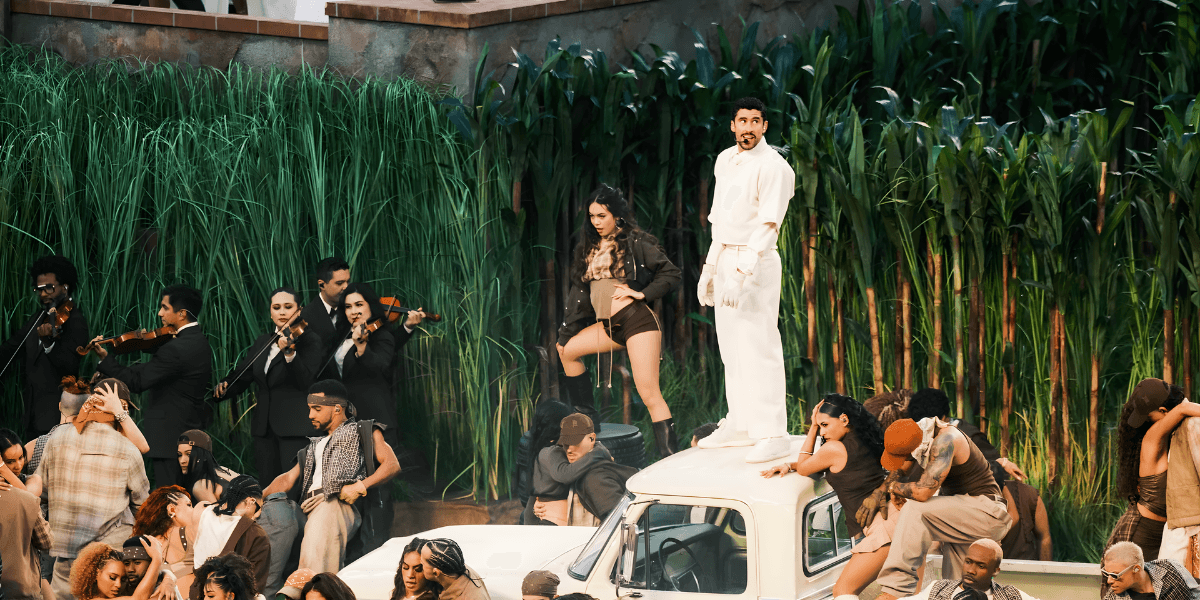
On February 8, 2026, one of the most watched annual televised events in the United States , Super Bowl LX at Levi’s Stadium in Santa Clara, California , delivered not only a championship football game but also a landmark cultural moment that is reverberating across entertainment and business sectors. While the Seattle Seahawks secured the NFL title with a commanding performance, the Apple Music Super Bowl Halftime Show, headlined by Puerto Rican music icon Bad Bunny, has become a defining highlight of the day, marking historic firsts with significant implications for media, culture, and marketing in the U.S. and beyond.
Bad Bunny’s Halftime Show: A Cultural and Business Breakthrough
Bad Bunny’s 2026 Super Bowl Halftime Show, broadcast on February 8 to millions of viewers worldwide, represents a paradigm shift in how entertainment interfaces with cultural diversity and mass media marketing. For the first time in Super Bowl history, a headliner delivered an almost entirely Spanish-language performance, with Bad Bunny performing a dynamic set of his biggest hits , including Tití Me Preguntó and Yo Perreo Sola , before a live audience and global television viewers.
The performance featured elaborate staging , from a recreated sugar cane field to Puerto Rican neighborhood imagery , and surprise appearances by major artists like Lady Gaga and Ricky Martin. It also included innovative interpretive elements, such as the first-ever use of Puerto Rican Sign Language (LSPR) interpretation during a Super Bowl halftime show, adding an inclusivity milestone to the event.
Strategic Cultural Positioning and Audience Engagement
Bad Bunny’s headline role was the culmination of a strategic trend in Super Bowl halftime show marketing: leveraging global cultural icons to engage broad and diverse audiences. According to media analytics, anticipation of the show generated millions of social media mentions and streaming increases for the artist months ahead of the game, illustrating how major entertainment events can influence engagement metrics and digital consumption patterns well beyond the live broadcast.
From a business perspective, the NFL and Apple Music’s partnership in presenting the halftime show with a globally recognized star underscores efforts by major media brands to tap into multilingual and multicultural demographics. This aligns with wider industry imperatives to broaden viewer bases through diverse cultural representation , particularly as Spanish language content continues to grow in influence across U.S. media markets.
Broader Significance for U.S. Media and Marketing
Bad Bunny’s performance is significant not only as a cultural milestone but also for its implications in brand partnerships, advertising, and content strategies:
- Brand Visibility and Global Reach: Events of this scale remain prime opportunities for advertisers and sponsors to achieve unparalleled reach. Halftime shows are among the most coveted advertising real estate in U.S. television, with brands often paying premium rates to associate with the event’s entertainment segment. The inclusion of a high-profile cultural figure like Bad Bunny serves to expand that reach into global and bilingual markets.
- Cultural Representation in Commercial Media: The prominence of a Spanish-language performance at the Super Bowl highlights how cultural representation is reshaping mainstream entertainment. This presence is mirrored in content strategies across streaming platforms, social media campaigns, and live event production , signalling that inclusive programming can drive engagement and revenue.
- Consumer Engagement Metrics: Early analytics suggest spikes in streaming, social engagement and online search interest tied to on-field entertainment, illustrating how cultural performance content at major sporting events can tangibly boost consumer interaction across digital platforms.
Key Takeaways for Business and Media Professionals
- Expanding Audience Demographics: The success of culturally resonant performances at global events underscores the importance of understanding and incorporating diverse consumer segments into marketing strategies.
- Integrating Entertainment and Brand Messaging: Halftime shows provide fertile ground for synergy between entertainment and brand partnerships, where culturally meaningful content can augment traditional advertising impact.
- Leveraging Digital Amplification: The digital footprint of such events , from social metrics to streaming analytics , demonstrates that content resonance extends far beyond the live broadcast, influencing long-term brand engagement and perception.
As the Super Bowl continues to serve as a cultural touchpoint as well as a sporting event, the 2026 halftime show reaffirms that media, culture, and commerce are increasingly interwoven. For professionals in business, media, and marketing, the event offers a blueprint for how inclusive, culturally authentic programming can deliver commercial value while broadening the narrative scope of mainstream American entertainment.

Biz Recap Contributor
Covers business, branding, entrepreneurship, and digital trends, with a focus on making complex topics accessible.
This article features partner, contributor, or branded content from a third party. Members of the Biz Recap editorial staff were not involved in the creation of this content. All views and opinions are those of the contributor alone.
You May Also Like

Redha Alayesh Makes Marketing Accountable
Google Opens Googlebook Preorders As Gemini AI Moves Deeper Into Personal Computing

Faraday Future Robotics Launch Expands United States Push Into Physical AI

GlobalFoundries And Marvell Expand Chip Partnership As AI Data Center Demand Accelerates

Altera IPO Filing Opens A New Chapter For The United States Semiconductor Market