Jamie Dimon Commits to Deeper Engagement with China Amid Easing Trade Tensions
By Alan Fink, Senior Correspondent
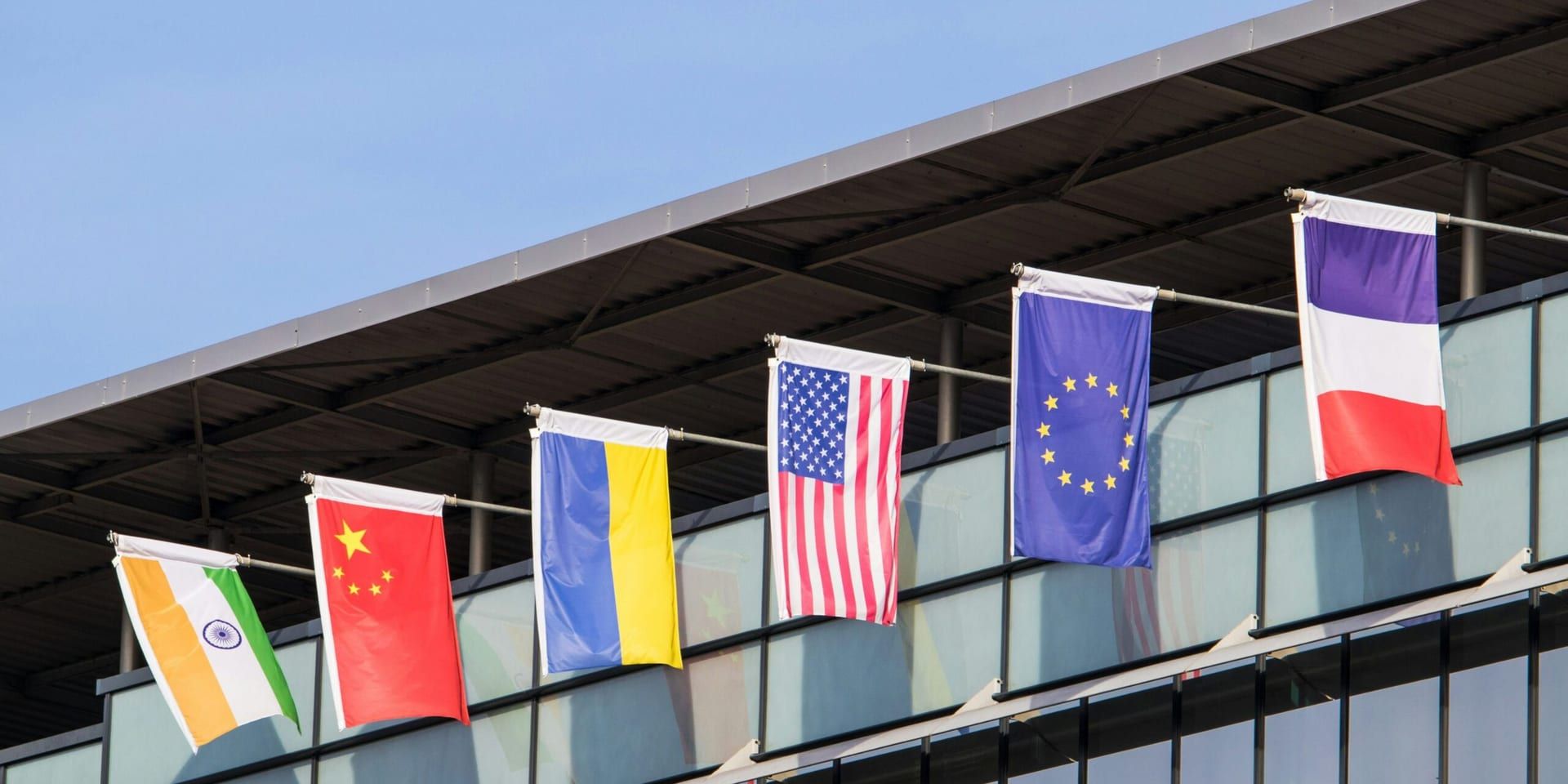
JPMorgan Chase CEO Jamie Dimon has pledged to strengthen the bank’s ties with China following high-level meetings with Chinese officials, including Vice-Premier He Lifeng. This renewed commitment from one of Wall Street’s most influential leaders comes at a time of shifting dynamics between the United States and China, marked by a recent agreement to reduce tariffs on both sides.
Speaking at JPMorgan’s Global China Summit held in Shanghai, Dimon articulated a clear strategic pivot. He emphasized JPMorgan’s dedication to expanding its footprint in China’s capital markets and supporting the global ambitions of both multinational and domestic Chinese companies. This announcement aligns with a broader vision for enhanced economic collaboration and underscores the bank’s interest in aligning with China’s financial market reforms.
Strategic Talks in Shanghai
Dimon’s visit included substantive discussions with Chinese Vice-Premier He Lifeng, who serves as one of the country’s top economic officials and trade negotiators. The conversation focused on enhancing mutual investment opportunities, expanding financial cooperation, and ensuring stable U.S.-China economic relations.
He also held talks with Ren Hongbin, president of the China Council for the Promotion of International Trade. These meetings reflect China’s growing willingness to work closely with major foreign financial institutions to promote global integration and market liberalization.
The meetings were framed by a broader geopolitical development: the recent bilateral decision between Washington and Beijing to roll back key trade tariffs for a 90-day window. The U.S. will reduce duties on Chinese goods from 145% to 30%, while China is cutting its tariffs on American products from 125% to 10%. This tariff reduction is widely seen as a strategic maneuver to de-escalate trade tensions and reset economic diplomacy.
JPMorgan’s Expanding Role in China
JPMorgan Chase has progressively increased its presence in China, securing notable milestones such as becoming the first foreign financial institution to obtain full ownership of both futures and asset management operations in the country. While foreign banks have traditionally faced regulatory hurdles and operational challenges in China, Dimon signaled the bank’s determination to persevere and grow.
At the summit, Dimon acknowledged that while some segments of JPMorgan’s operations in China have encountered difficulties, others are showing robust growth. He reiterated the bank’s long-term vision to serve as a bridge for capital and investment between China and global markets.
China’s recent reforms to open its financial sector are presenting new opportunities for international firms. By leveraging its global reach and institutional expertise, JPMorgan aims to assist both local and international clients in navigating cross-border financial environments.
Dimon’s Broader Vision
Dimon has long been an advocate for strategic engagement with China, often emphasizing the importance of cooperation over confrontation. His public criticism of extreme tariffs and trade barriers underscores his pragmatic stance. According to Dimon, treating China strictly as a competitor rather than an adversary is vital to maintaining global economic stability.
He believes that thoughtful economic diplomacy can yield mutual benefits and that the private sector has a vital role in fostering productive international relations. The easing of tariffs, in his view, creates a window of opportunity to rebuild trust and expand economic collaboration.
Impact on Global Finance
JPMorgan’s renewed push into China is emblematic of a broader trend among multinational corporations recalibrating their strategies in response to geopolitical shifts. As the world’s two largest economies seek common ground, financial institutions like JPMorgan are uniquely positioned to facilitate investment flows, enhance market access, and support sustainable growth.
This evolving relationship is not just significant for institutional investors and policymakers but also for the global economy at large. Dimon’s actions suggest that despite past tensions, there remains a strong appetite for constructive engagement, investment, and innovation.

Biz Recap Contributor
Covers entrepreneurship, leadership, and professional development, highlighting people and businesses worth watching.
This article features partner, contributor, or branded content from a third party. Members of the Biz Recap editorial staff were not involved in the creation of this content. All views and opinions are those of the contributor alone.
You May Also Like
Atlantic Health Strategies Builds Behavioral Health
Accelevation Raises $540 Million in Major U.S. IPO as Data Center Infrastructure Demand Grows

IROS 2026 Brings the Next Wave of Robotics Innovation to Pittsburgh

Microsoft Expands Copilot With New AI Tools Designed To Transform How Businesses Work

U.S. Business Activity Reaches Its Strongest Pace In More Than Five Years