
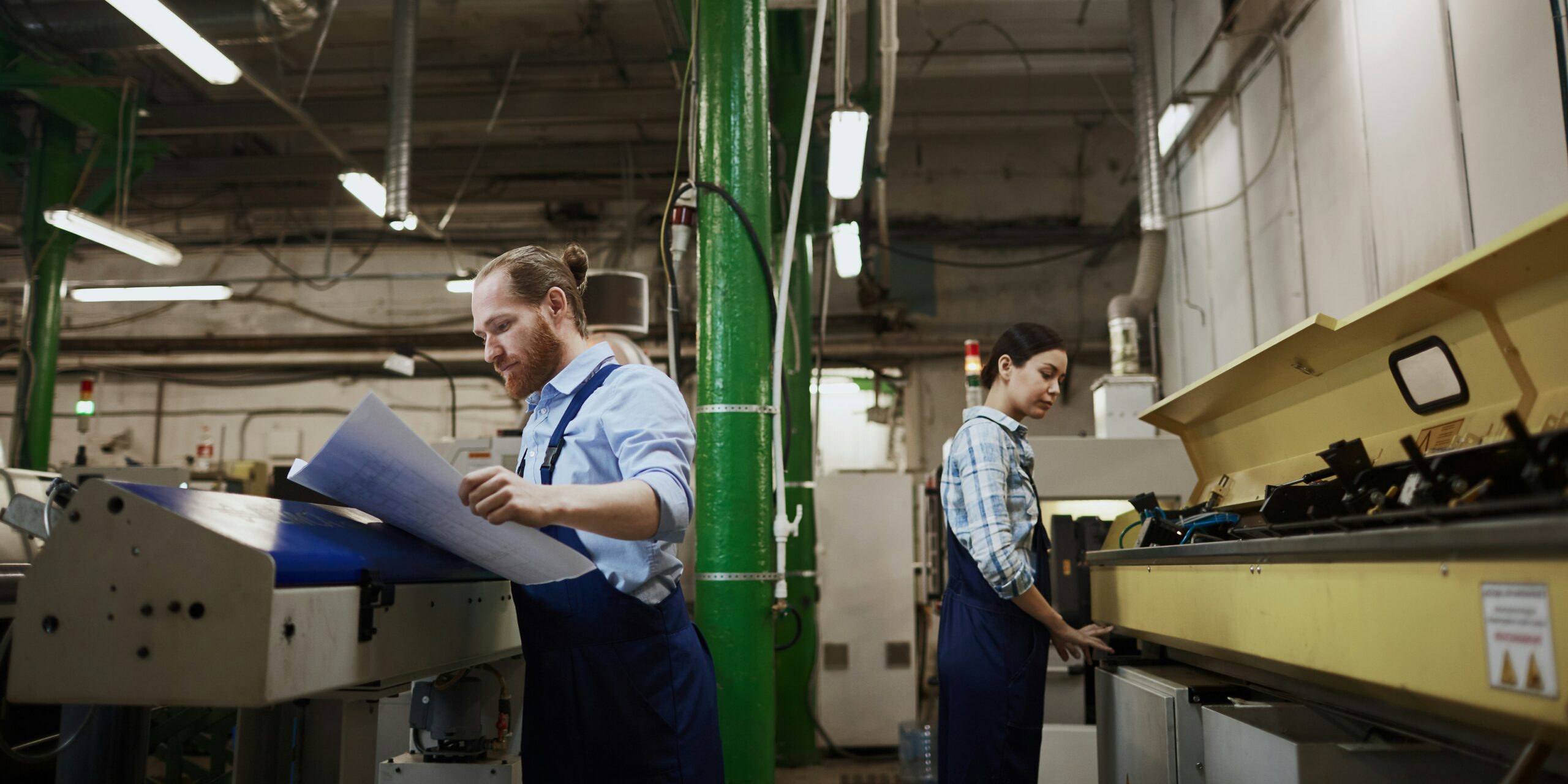
In late November 2025, a series of major companies announced plans to open new manufacturing facilities across the United States, marking a significant shift in the country’s industrial landscape. The new plants span a diverse range of industries, including renewable energy, pharmaceuticals, electronics, and industrial equipment. This wave of investment reflects growing corporate confidence in U.S. production capabilities, even in the face of challenges stemming from global trade tensions and rising input costs. The decision to ramp up manufacturing within U.S. borders is seen as a strategic pivot to enhance both supply chain resilience and long-term stability in the face of external economic pressures.
The announcements indicate a renewed commitment to domestic production, signaling that companies are increasingly looking to mitigate the risks associated with reliance on overseas supply chains. According to industry experts, this trend underscores a broader effort to bolster U.S. manufacturing capabilities, not only to address the logistical disruptions that have plagued global trade in recent years but also to reduce the vulnerabilities tied to geopolitical uncertainties. Despite the continuing challenges of managing higher costs for raw materials and global shipping delays, many companies are choosing to invest in U.S.-based production to gain more control over their supply chains.
The new factories are expected to provide significant economic benefits to regions that have been hit hard by the decline of traditional manufacturing jobs. For many communities that saw large-scale job losses as factories moved overseas, these new plants offer a much-needed opportunity for recovery. In particular, areas that were once the heart of American manufacturing are poised to see a resurgence, as the construction of new facilities will create thousands of jobs, ranging from skilled labor positions to engineering and management roles. These investments are not only seen as a way to restore jobs but also as a key factor in revitalizing local economies that have struggled to recover from the impacts of outsourcing and automation.
In addition to the job creation aspect, the new manufacturing plants will focus on producing a range of critical goods, including industrial components, medical supplies, and products related to the renewable energy sector. These industries are essential to the infrastructure of modern economies and public health systems, and ensuring their production is based in the U.S. is seen as a necessary step toward safeguarding national security and economic stability. The move to produce more of these vital goods domestically is expected to help mitigate some of the risks that have been exposed by recent global supply chain disruptions.
One of the key driving forces behind this manufacturing expansion is the desire to avoid the ongoing uncertainties tied to international trade. Analysts note that by reshoring production to the U.S., companies can reduce their exposure to tariff-related disruptions, delays in imports, and the volatility of global supply chains. In particular, industries that have faced the brunt of trade tariffs or delays, such as medical supplies and high-tech components, are increasingly turning to domestic production to ensure a steady and reliable flow of products. This reshoring effort is seen as not just a short-term response to supply chain challenges but as a longer-term strategy aimed at creating more secure and predictable supply chains.
The broader implication of these investments is the potential for a more self-sustaining and resilient manufacturing sector within the United States. By returning critical production to domestic soil, companies are not only addressing immediate logistical issues but are also positioning themselves for growth in the years to come. The expansion of manufacturing plants will help reduce the country’s dependency on foreign suppliers, ensuring that key industries have access to a stable and cost-effective supply of raw materials and components. In the long run, these efforts could help make the U.S. more competitive on the global stage, as industries that rely on complex manufacturing processes can benefit from proximity to domestic production facilities.
The recent wave of factory announcements is a clear indicator of the shifting dynamics within the U.S. manufacturing sector. For companies and investors, the decision to build new facilities and reshore production is a strategic move designed to secure long-term growth. This focus on expanding domestic manufacturing is not only a response to short-term pressures but also a broader effort to position the U.S. as a leader in industries critical to the future of the global economy. As these new factories begin operations, they will undoubtedly have a lasting impact on both local communities and the national industrial landscape, offering new economic opportunities and reinforcing the importance of a robust, self-sufficient manufacturing base.