U.S. Markets React to Rising Middle East Tensions and Oil Price Surge on April 20, 2026
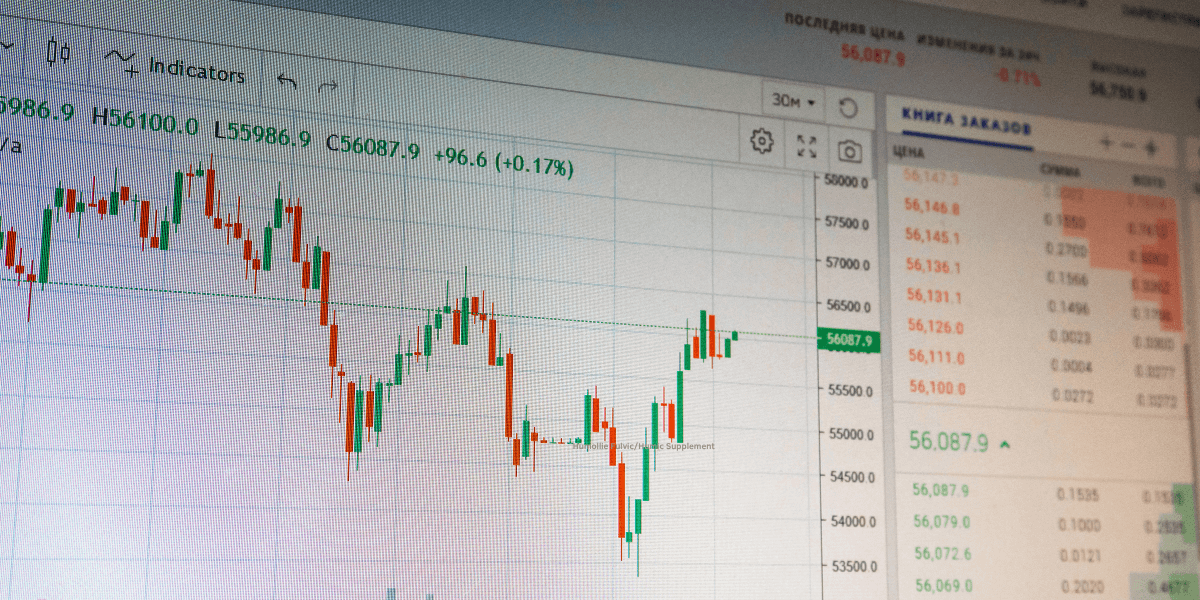
On April 20, 2026, U.S. financial markets opened the week under renewed pressure as escalating geopolitical tensions in the Middle East weighed heavily on investor sentiment. The day’s developments, centered on disruptions affecting global energy flows, highlight the fragile balance between geopolitical risk and economic stability, making it a critical moment for businesses, investors, and policymakers.
Market Movement and Immediate Impact
U.S. stock futures declined in early trading on Monday, signaling a cautious start after a strong rally the previous week. The downturn followed heightened uncertainty surrounding key global oil transit routes and deteriorating prospects for near-term diplomatic resolution in the region.
Oil prices surged sharply in response to the tensions. Benchmark crude prices rose significantly, reflecting market concerns over potential supply disruptions. These price movements underscore the sensitivity of global markets to instability in energy-producing regions.
Energy stocks responded positively to rising oil prices, with major oil and gas companies seeing gains in premarket trading. However, broader equity markets showed signs of volatility, as investors shifted toward more defensive positions amid uncertainty.
Geopolitical Context Driving the Market
The immediate catalyst for the market reaction was a series of developments tied to increased military and strategic activity in the Middle East, particularly involving maritime routes critical to global trade. Over the weekend, the situation intensified with new developments that raised the risk of further escalation and reduced confidence in short-term diplomatic progress.
Strategically important shipping corridors remain central to the situation. Any disruption to these routes can significantly impact global oil supply chains, making them a focal point for both geopolitical strategy and market volatility.
Broader Economic Implications
The developments on April 20 extend beyond short-term market fluctuations, carrying broader implications for both the U.S. and global economy.
First, rising energy prices could contribute to renewed inflationary pressures. Businesses that rely heavily on transportation, manufacturing, and logistics may face increased operating costs, potentially squeezing margins or leading to higher prices for consumers.
Second, investor confidence remains fragile. Markets have become increasingly reactive to geopolitical developments, with sentiment shifting rapidly based on new information. While recent gains in major indices suggest underlying resilience, the volatility highlights the uncertainty facing financial markets.
Third, the timing of these developments is particularly significant given an active corporate earnings season. Many major companies across industries are reporting financial results, and forward guidance may reflect growing concerns about energy costs, supply chain stability, and broader economic conditions.
Sector-Level Effects
Different sectors are experiencing the impact of April 20’s developments in distinct ways:
- Energy Sector: Benefiting from higher oil prices, energy companies are seeing improved revenue outlooks and stronger investor interest.
- Transportation and Airlines: These industries face potential headwinds due to increased fuel costs, which could affect profitability.
- Technology and Growth Stocks: More sensitive to macroeconomic uncertainty, these sectors may experience increased volatility as investors reassess risk.
- Retail and Consumer Goods: Rising costs could translate into pricing pressures, affecting both margins and consumer demand.
Key Takeaways for Businesses and Investors
The events of April 20, 2026, offer several important insights:
- Geopolitical Risk Remains a Core Market Driver: Businesses must account for external factors such as international tensions when planning operations and investments.
- Energy Prices Are a Critical Variable: Fluctuations in oil markets can quickly influence inflation, supply chains, and corporate profitability.
- Market Volatility Is Likely to Persist: With uncertainty ongoing, short-term market swings may continue.
- Diversification and Risk Management Are Essential: Investors and companies may need to reassess strategies to mitigate exposure to global disruptions.
Conclusion
April 20, 2026, stands out as a pivotal day for U.S. markets, illustrating how quickly global developments can reshape the economic landscape. The combination of rising oil prices, declining stock futures, and uncertain geopolitical conditions underscores the interconnected nature of modern business and finance.
As the week progresses, attention will remain focused on evolving global developments and corporate earnings reports. For professionals navigating today’s business environment, the key challenge lies in balancing opportunity with risk in an increasingly complex and unpredictable global market.

Biz Recap Contributor
Covers entrepreneurship, leadership, and professional development, highlighting people and businesses worth watching.
This article features partner, contributor, or branded content from a third party. Members of the Biz Recap editorial staff were not involved in the creation of this content. All views and opinions are those of the contributor alone.
You May Also Like
Investors Brace for Federal Reserve Decision as Inflation and Bond Yields Test Markets

Redha Alayesh: Best Marketing Consulting Service in Saudi Arabia of 2026

AI Is Changing the Management Playbook as Business Leaders Rethink How Work Gets Done

U.S. Stocks Retreat as $100 Oil and Rising Treasury Yields Pressure Markets

AI Is Lowering the Barrier to Entrepreneurship as More People Turn Ideas Into Businesses