U.S. Retail Sales Fall Unexpectedly in July, Raising Questions About Consumer Strength
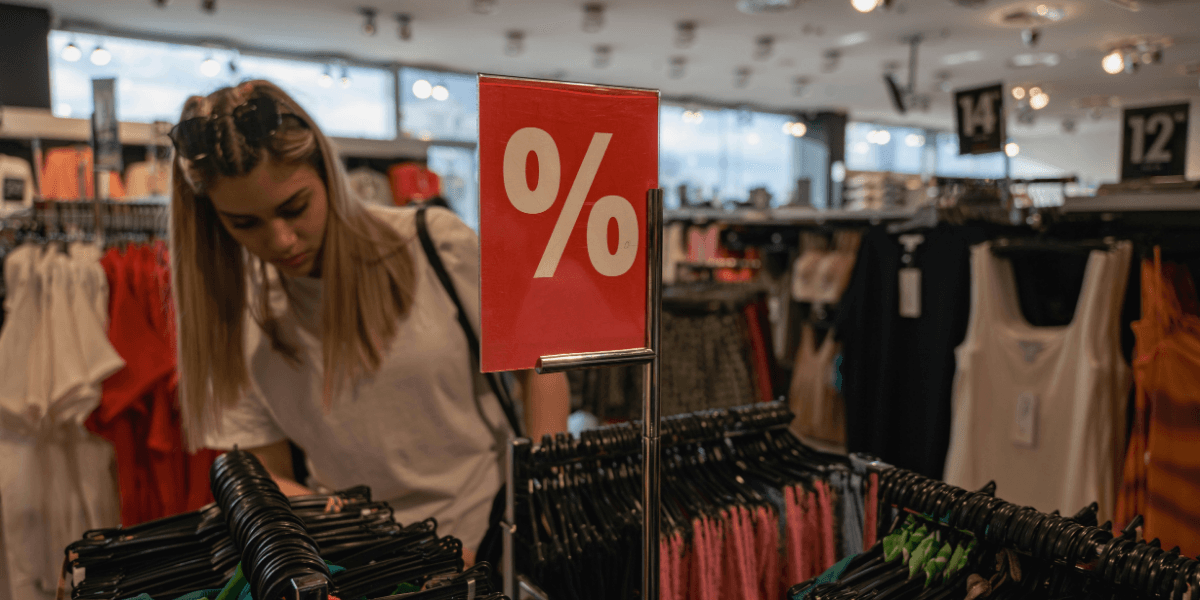
Consumer Spending Shows a Sudden Pullback
U.S. retail sales declined unexpectedly in July, offering a new indication that consumer spending may be losing some momentum during the second half of 2026.
According to the latest monthly data, retail and food-service sales fell 0.6% in July compared with June. The decline came after an increase in the previous month and was weaker than economists had anticipated. The result has drawn attention from businesses and investors because consumer spending remains one of the most important drivers of the U.S. economy.
Retail sales provide an early measure of consumer activity across a wide range of businesses, including automobile dealers, restaurants, clothing stores, furniture retailers, gasoline stations and online merchants. While the monthly figures can fluctuate because of seasonal patterns, promotions and changes in consumer behavior, they provide businesses with an important indication of current demand.
The July decline therefore offers a reason for companies to examine spending patterns closely as they plan for the remainder of the year.
Several Major Categories Decline
The overall decline was influenced by weaker sales in several major retail categories.
Motor vehicle and parts dealers recorded a decline in July, while nonstore retailers also reported lower sales. Gasoline-station sales decreased as fuel prices affected the amount consumers spent at the pump.
Online retail activity also showed a notable decline. However, the comparison was influenced by the timing of major promotional events. Large online shopping promotions occurred at different times in 2026 compared with the previous year, making monthly comparisons more difficult to interpret.
This factor is important because a sharp decline from one month to the next does not necessarily mean consumers have permanently reduced their online purchases. Spending can move between months when retailers change the timing of major promotions or shopping events.
At the same time, some areas of the consumer economy performed better. Restaurant sales increased, while several merchandise categories, including clothing and furniture, recorded gains.
The mixed results suggest that consumers are continuing to spend, but their purchasing patterns are uneven across different parts of the economy.
What the Results Mean for Businesses
The July retail figures provide several considerations for businesses operating in consumer-facing industries.
Retailers may need to pay closer attention to changes in discretionary spending as households make decisions about larger purchases. Categories such as automobiles, furniture and other higher-cost products can be particularly sensitive to changes in household budgets and purchasing confidence.
Businesses also face the challenge of distinguishing temporary fluctuations from longer-term changes in demand. Promotional calendars, seasonal shopping patterns and changes in fuel prices can all influence monthly sales figures.
For companies planning inventory, staffing and marketing strategies, this makes it important to look beyond a single month’s headline number. Comparing current results with previous months and the same period a year earlier can provide a clearer picture of underlying demand.
The July report also shows why businesses increasingly monitor individual product categories and customer behavior rather than relying exclusively on overall retail-sales growth.
Year-Over-Year Sales Remain Positive
Despite the monthly decline, U.S. retail sales remained higher than they were a year earlier.
That distinction is important when interpreting the latest figures. A month-to-month decline does not automatically indicate that the consumer economy has entered a sustained contraction. Instead, it shows that the pace of spending changed during July.
The year-over-year increase suggests that consumers continue to spend more than they did during the comparable period in 2025. However, the weaker monthly performance indicates that the strength of that spending should be monitored as the year progresses.
Future reports will help determine whether July represented a temporary slowdown or part of a broader shift in consumer behavior.
Markets Pay Attention to Consumer Data
The retail-sales report also attracted attention from financial markets because consumer spending can influence expectations for economic growth and corporate performance.
Retail activity affects companies across numerous industries. Strong consumer demand can support business revenue, while weaker demand can pressure sales expectations and encourage companies to reconsider inventory and operating plans.
Investors therefore frequently examine retail-sales data alongside employment, inflation, corporate earnings and other economic indicators.
The July figures alone do not provide enough information to determine the direction of the U.S. economy for the rest of 2026. However, they add another important data point to the broader economic picture.
Key Takeaways for Businesses
The latest retail-sales report offers several important lessons for business leaders and professionals.
First, U.S. consumer spending weakened on a monthly basis in July, indicating that demand may be becoming less consistent.
Second, the decline was not uniform across the economy. Some categories weakened while others, including restaurants and selected merchandise segments, continued to grow.
Third, certain temporary factors, including the timing of major promotions and changes in fuel prices, influenced individual categories. Businesses should therefore avoid drawing broad conclusions from one month’s figures alone.
Finally, the continued year-over-year increase in retail sales indicates that consumer activity remains above last year’s level, even though the monthly pace has softened.
For companies operating in retail, consumer services and related industries, the most important issue will be whether the July slowdown continues in the months ahead. Upcoming sales, employment, inflation and corporate earnings data will provide additional information about the strength and direction of U.S. consumer demand.
For now, the July figures point to a consumer sector that remains active but is showing signs of becoming more selective and uneven. That changing environment makes careful demand monitoring increasingly important for businesses preparing their strategies for the remainder of 2026.

Biz Recap Contributor
Covers entrepreneurship, leadership, and professional development, highlighting people and businesses worth watching.
This article features partner, contributor, or branded content from a third party. Members of the Biz Recap editorial staff were not involved in the creation of this content. All views and opinions are those of the contributor alone.
You May Also Like

Atlantic Health Strategies Builds Behavioral Health

IROS 2026 Brings the Next Wave of Robotics Innovation to Pittsburgh

Microsoft Expands Copilot With New AI Tools Designed To Transform How Businesses Work

U.S. Business Activity Reaches Its Strongest Pace In More Than Five Years

Redha Alayesh Makes Marketing Accountable