Google Opens Googlebook Preorders As Gemini AI Moves Deeper Into Personal Computing
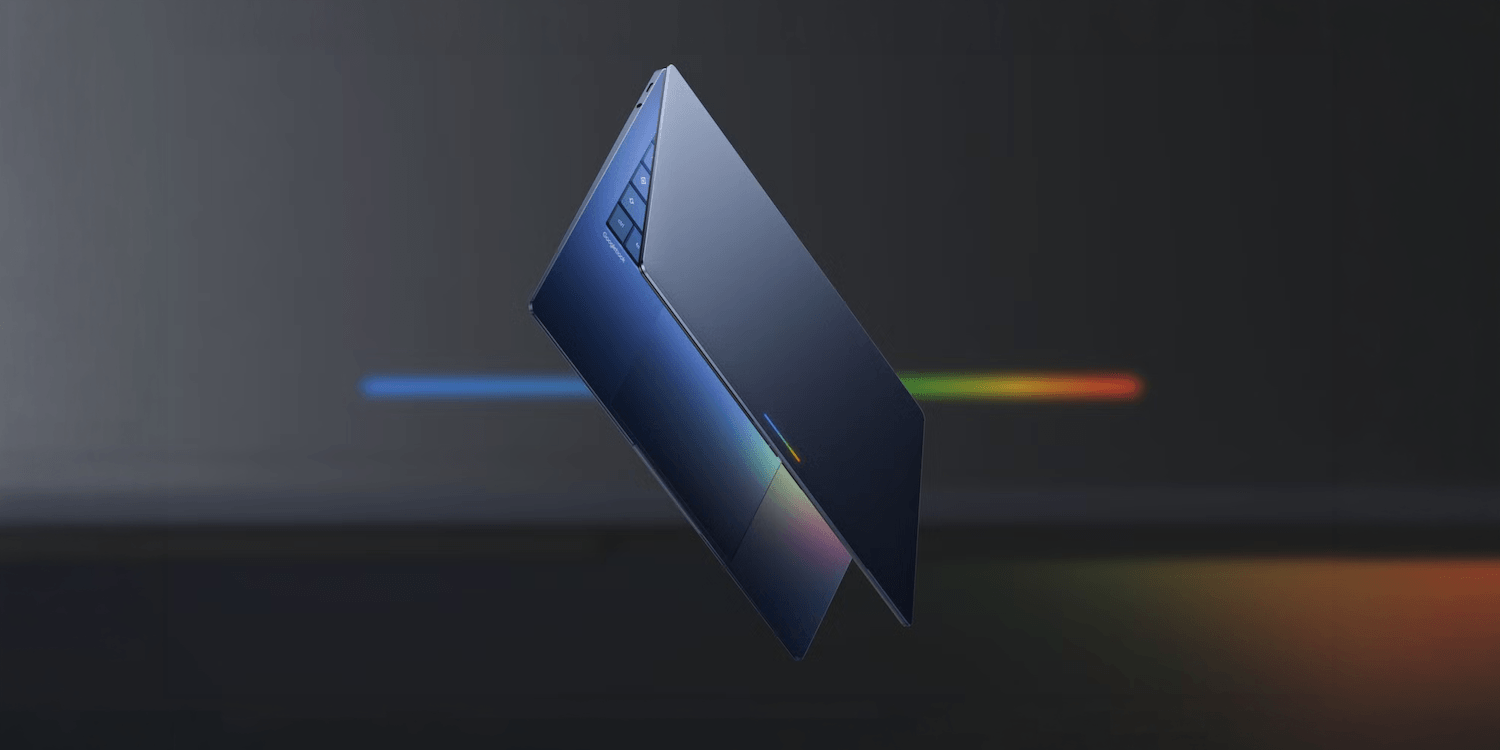
Google opened preorders for Googlebook laptops on September 21, bringing Gemini AI and deeper Android integration to premium PCs.
Google Makes Its Next Laptop Move
For years, Google's Chromebook strategy was closely associated with simple, affordable computers. On September 21, 2026, the company took a different approach. Google opened United States preorders for Googlebook laptops, a new premium category designed around its Gemini artificial intelligence technology and closer integration with Android phones.
The starting price is $899. Initial Googlebook laptops are being produced by Acer, ASUS, Dell, HP, and Lenovo, giving Google an immediate presence across several major PC manufacturers. The computers are scheduled to reach United States stores beginning October 4.
The launch puts artificial intelligence at the center of Google's latest attempt to reshape personal computing. Instead of treating AI as an additional software feature, Google is building the Googlebook experience around Gemini and connections between laptops and Android mobile devices.
Googlebook Laptops Target The Premium PC Market
Googlebook represents a notable change from the market position traditionally occupied by Chromebooks. While Chromebooks remain focused on simplicity and efficiency, Google describes Googlebook as a separate category of flagship computers built with more powerful hardware and premium materials.
The first models feature at least 16 GB of memory and 512 GB of storage. Depending on the manufacturer, devices use Intel Core Ultra Series 3 or Qualcomm Snapdragon X Elite processors. Google says the processors include neural processing capabilities designed to handle artificial intelligence workloads directly on the device.
The five launch models also provide consumers with different hardware options. Acer offers a convertible design, while ASUS emphasizes portability. Dell's XPS Googlebook uses a 13.4 inch touchscreen and Snapdragon X Elite processor. HP and Lenovo round out the initial lineup with additional premium configurations.
Prices vary by manufacturer. Acer's Googlebook 14 begins at $899, Dell's XPS Googlebook starts at $999, Lenovo's Googlebook 15 begins at $1,099, and the ASUS and HP models start at $1,299.
Gemini AI Becomes Part Of The Laptop Experience
The more important development is what happens inside the computers. Googlebook OS combines technology from Android with desktop foundations developed through ChromeOS.
Gemini Intelligence is integrated into that environment. One feature, Magic Pointer, allows users to select information displayed on their screens and interact with Gemini without leaving their current task. Google's software can also assist with activities such as drafting and organizing information.
Googlebook laptops are designed to work particularly closely with Android smartphones. Features allow users to access files stored on their phones, interact with mobile applications from their laptops, and continue certain activities across devices.
This approach addresses a familiar problem for professionals who regularly move between smartphones and computers. Files, applications, messages, and ongoing tasks can become fragmented across separate devices. Google is positioning closer Android integration as a way to reduce that friction.
Some cross device functions require Android 17 or later, which means the full experience will depend on compatible smartphones.
Premium Hardware Supports Google's AI Strategy
The hardware specifications also show how AI is changing computer design.
Google says Googlebook models include dedicated neural processing units capable of more than 45 trillion operations per second. These processors are intended to handle certain artificial intelligence tasks locally rather than relying entirely on cloud computing.
The company also says models can provide up to 14 hours of video playback, although actual battery performance will depend on the device and usage conditions.
Dell's XPS Googlebook provides one example of how established PC manufacturers are adapting their premium products to Google's platform. The 13 inch computer uses a Snapdragon X Elite processor and weighs about 2.2 pounds. Dell says its battery can support up to 16 hours of Netflix streaming under its testing conditions.
Googlebook OS is also scheduled to receive feature releases and software updates for up to ten years, giving businesses another factor to consider when assessing long term device deployments.
Why The Googlebook Launch Matters For Business
The September 21 launch illustrates a broader shift in the technology industry. Artificial intelligence is increasingly moving from standalone applications into the operating systems and hardware people use every day.
For businesses, that could influence future purchasing decisions. Organizations evaluating laptops may increasingly compare not only processors, memory, displays, and battery life, but also built in AI capabilities, device integration, security, and software support.
Googlebook also expands competition within premium personal computing. Google is entering the segment with multiple hardware partners rather than relying on a single flagship device. That approach gives the platform access to different designs and price points while allowing established manufacturers to continue building the physical hardware.
Still, the long term response from consumers and businesses remains unknown. The devices have only entered the preorder stage, and their performance, software compatibility, reliability, and adoption will become clearer after they reach customers.
What Professionals Should Watch Next
For business leaders, the Googlebook launch is worth watching as an example of how quickly AI is becoming part of mainstream workplace technology.
The key questions will emerge after the October release. Businesses will be able to evaluate how effectively Gemini features improve everyday workflows, how well Android applications translate to larger screens, and whether deeper connections between smartphones and laptops provide meaningful productivity benefits.
Google's September 21 announcement does more than introduce another collection of computers. It signals a broader effort to make artificial intelligence, mobile integration, and premium hardware part of one computing platform.
As Googlebook laptops reach the United States market, their reception will provide an important test of whether AI centered computing can become a compelling alternative in the established premium PC landscape.

Biz Recap Contributor
Covers business, branding, entrepreneurship, and digital trends, with a focus on making complex topics accessible.
This article features partner, contributor, or branded content from a third party. Members of the Biz Recap editorial staff were not involved in the creation of this content. All views and opinions are those of the contributor alone.
You May Also Like

Redha Alayesh Makes Marketing Accountable

Faraday Future Robotics Launch Expands United States Push Into Physical AI

GlobalFoundries And Marvell Expand Chip Partnership As AI Data Center Demand Accelerates
Altera IPO Filing Opens A New Chapter For The United States Semiconductor Market

Investors Brace for Federal Reserve Decision as Inflation and Bond Yields Test Markets