U.S. Stock Markets Reach New Highs as Technology Shares Drive Investor Optimism
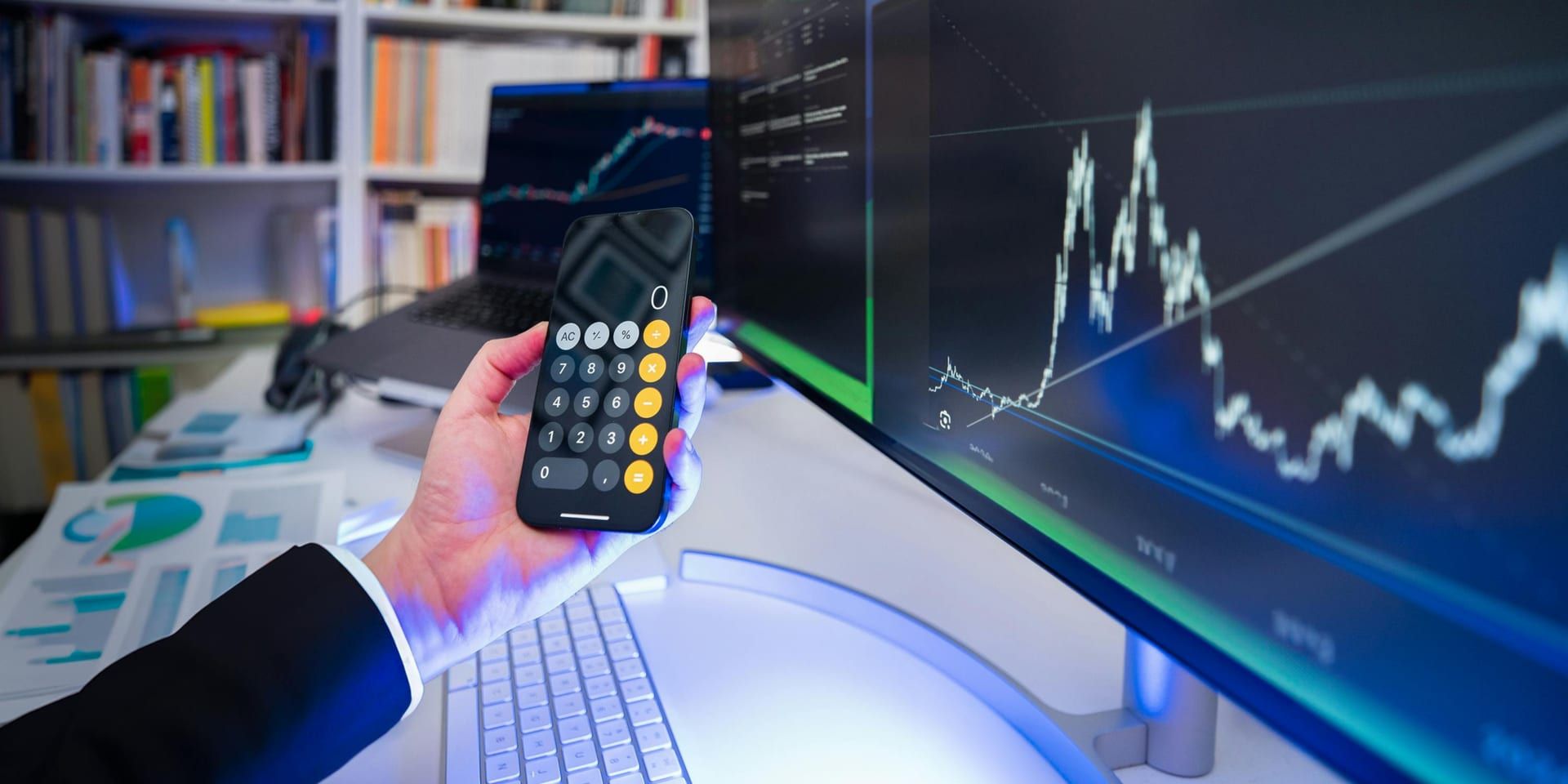
U.S. financial markets closed higher on May 5, 2026, with the Nasdaq Composite and the S&P 500 reaching new record levels amid strong performances from major technology companies and improving investor confidence. The rally reflected renewed optimism about corporate earnings, easing energy prices, and continued momentum in the artificial intelligence and semiconductor sectors.
The gains marked an important moment for investors and businesses alike, signaling that the U.S. economy continues to show resilience despite ongoing global uncertainties and inflation concerns earlier in the year. Analysts noted that strong quarterly earnings from leading technology firms helped restore confidence in growth-oriented sectors that had experienced volatility in recent months.
According to market reports published Tuesday, the Nasdaq climbed approximately 1%, while the S&P 500 advanced about 0.8%. The Dow Jones Industrial Average also posted gains, rising roughly 0.7% during the trading session. Smaller companies participated in the rally as well, with the Russell 2000 index increasing nearly 1.8%.
One of the major drivers behind the market’s performance was renewed strength in semiconductor and artificial intelligence-related stocks. Intel shares surged after reports suggested the company could become more involved in chip manufacturing partnerships tied to future consumer technology products. Advanced Micro Devices (AMD) also rose ahead of its quarterly earnings announcement, as investors anticipated continued strong demand for AI hardware and data-center infrastructure. Micron Technology gained momentum after improving its revenue outlook and receiving a credit-rating upgrade.
The technology sector has increasingly become the center of investor attention in 2026, particularly as businesses across industries continue integrating artificial intelligence into operations, cloud infrastructure, logistics, and customer service systems. Companies supplying processors, memory components, and enterprise AI tools have benefited from rising corporate spending on digital transformation initiatives.
Another important factor supporting markets on May 5 was the decline in oil prices. Energy prices had recently risen due to geopolitical tensions affecting global shipping routes and concerns about supply disruptions. However, reports indicating easing tensions helped calm commodity markets, leading oil prices to fall sharply during Tuesday’s session. Lower oil prices helped reduce fears of renewed inflation pressure, which in turn improved investor sentiment.
Market analysts observed that lower energy costs could also provide indirect benefits to businesses and consumers. Reduced transportation and operational expenses may ease pressure on corporate margins while supporting consumer spending in sectors such as retail, travel, and services.
In addition to technology stocks, several consumer-focused companies reported stronger-than-expected earnings results. Pinterest shares, for example, rose significantly after the company posted solid quarterly results and issued an optimistic outlook for the coming quarter. Strong user growth and advertising demand contributed to investor enthusiasm surrounding the company’s performance.
Economic data released this week also played a role in shaping market expectations. Investors closely monitored labor market indicators, including U.S. job openings data, as well as housing market figures related to new home sales. While some areas of the economy have shown signs of moderation, the broader economic environment continues to demonstrate stability, supporting expectations that consumer demand and business investment remain relatively healthy.
Financial experts say the latest market rally reflects a broader shift in investor focus toward long-term innovation themes, particularly artificial intelligence, semiconductor manufacturing, and enterprise software development. Businesses across multiple industries are accelerating investments in automation and digital tools to improve productivity and competitiveness, creating favorable conditions for technology providers.
At the same time, analysts caution that markets could remain sensitive to future inflation reports, interest-rate decisions, and international developments. Investors continue to watch Federal Reserve policy closely, particularly regarding how central bank officials respond to changing economic conditions over the coming months.
Despite those uncertainties, the market’s performance on May 5 underscored the continued importance of the technology sector in driving U.S. economic growth and investor confidence. The record-setting session also highlighted how quickly sentiment can improve when earnings results, economic indicators, and commodity prices align positively.
For business leaders and investors, the day’s developments reinforced several key takeaways. First, demand for AI infrastructure and semiconductor technologies remains a dominant force in financial markets. Second, corporate earnings continue to play a critical role in shaping investor confidence during periods of economic uncertainty. Finally, broader market performance remains closely connected to inflation expectations and energy price trends.
As companies prepare for the next round of earnings reports and economic data releases, markets are likely to remain focused on whether the current momentum can continue through the second quarter of 2026. For now, May 5 stands out as a significant day for U.S. markets, reflecting renewed confidence in innovation-driven growth and the resilience of the broader American economy.

Biz Recap Contributor
Covers business, branding, entrepreneurship, and digital trends, with a focus on making complex topics accessible.
This article features partner, contributor, or branded content from a third party. Members of the Biz Recap editorial staff were not involved in the creation of this content. All views and opinions are those of the contributor alone.
You May Also Like

Redha Alayesh Makes Marketing Accountable
Google Opens Googlebook Preorders As Gemini AI Moves Deeper Into Personal Computing

Faraday Future Robotics Launch Expands United States Push Into Physical AI

GlobalFoundries And Marvell Expand Chip Partnership As AI Data Center Demand Accelerates
Altera IPO Filing Opens A New Chapter For The United States Semiconductor Market