FAA Outage Disrupts Thousands of Flights Across America
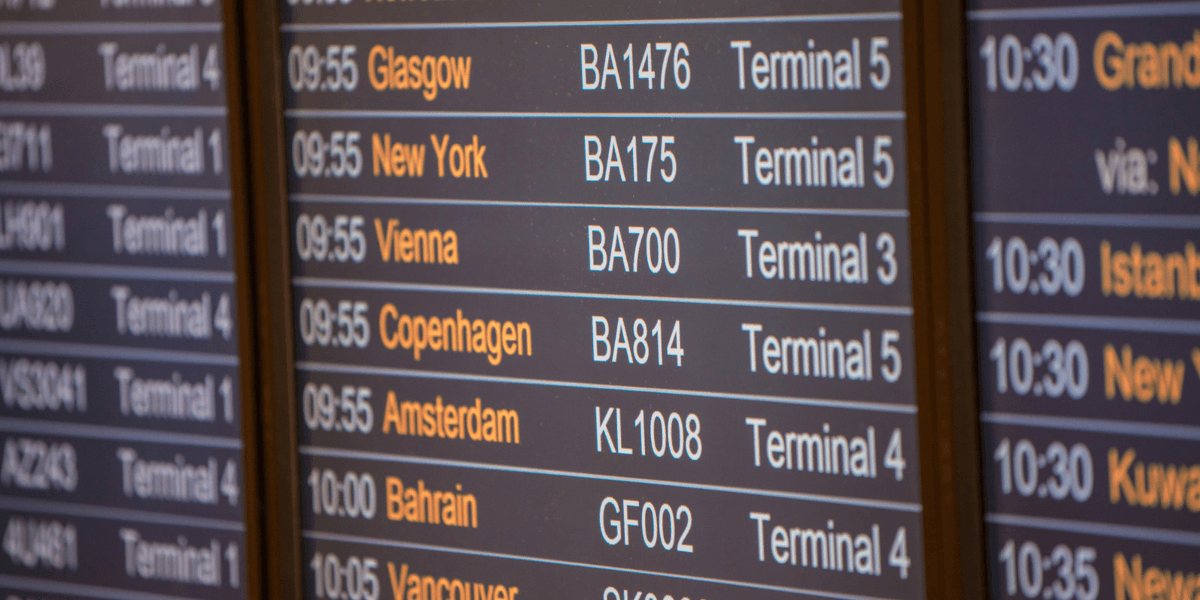
An equipment failure at the Federal Aviation Administration disrupted nationwide air travel, leaving airlines, airports, and passengers facing an extensive recovery operation.
Nationwide Aviation Disruption Creates Travel Challenges
Air travel across the United States continued experiencing significant disruption on Sunday, November 15, 2026, as airlines worked to recover from a nationwide Federal Aviation Administration (FAA) ground stop issued two days earlier.
The incident began on Friday, November 13, when communication problems within the country's air traffic control network forced the FAA to temporarily stop departures across the United States. The decision affected airports nationwide and created widespread delays, cancellations, and scheduling challenges for airlines.
Although the FAA lifted the ground stop after more than four hours, the effects continued throughout the weekend. Airlines struggled to reposition aircraft, reorganize flight schedules, and coordinate available crews. Thousands of travelers also faced unexpected changes to their journeys.
According to ABC News, more than 14,000 flights had been canceled across Friday and Saturday. By Sunday afternoon, nearly 2,300 additional cancellations had been reported.
The situation demonstrated how a disruption affecting a central part of the aviation network can quickly influence transportation services across an entire country.
What Caused the Nationwide Ground Stop?
The FAA ordered the ground stop after experiencing communication problems affecting air route traffic control centers.
These facilities play an important role in managing aircraft traveling through U.S. airspace, particularly flights operating at higher altitudes between airports.
Air traffic controllers depend on reliable communication and information systems to coordinate aircraft movements, maintain separation between flights, and support safe operations.
When the network experienced technical difficulties, the agency decided to restrict departures while the situation was addressed.
FAA Administrator Bryan Bedford subsequently attributed the incident to equipment failure. He indicated that investigators had found no evidence of malicious activity or an artificial intelligence related problem.
The ground stop was lifted on Friday evening after the immediate technical issue was addressed. However, restoring the network did not automatically return airline operations to normal.
The incident highlighted the importance of reliable technology in an aviation system that handles thousands of flights and millions of passengers.
Airlines Face a Difficult Recovery Process
The immediate technical problem was only one part of the disruption. Airlines also faced the complicated task of restoring their operating schedules.
Commercial aviation relies on carefully coordinated aircraft and crew movements. An aircraft scheduled to depart from one airport may be required for another flight several hours later. Similarly, pilots and cabin crews must be available at specific locations to operate scheduled services.
When widespread cancellations occur, these arrangements can quickly become difficult to maintain.
For example, an aircraft delayed at a major airport may affect several subsequent flights. Crew members can also become unavailable when their assigned aircraft or travel arrangements change.
As a result, even airports that experienced limited direct disruption can face delays when aircraft and personnel arrive behind schedule.
The recovery process therefore requires coordination between airlines, airports, air traffic controllers, and ground service providers.
Why Aviation Technology Matters to the Economy
The incident also revealed how closely the American economy depends on reliable air transportation.
Airlines support more than passenger travel. They also contribute to business connectivity, tourism, cargo transportation, and the movement of professionals between major commercial centers.
When flights are disrupted, the consequences can extend beyond airport terminals.
Business travelers may miss important meetings and industry events. Companies that depend on air cargo can experience delivery delays. Hotels, transportation providers, restaurants, and tourism businesses may also face unexpected changes in customer demand.
Airports must coordinate additional passenger assistance, staffing, and operational adjustments. Airlines may also experience additional costs associated with cancellations, rebooking, aircraft repositioning, and schedule recovery.
For smaller businesses, these disruptions can be particularly challenging when important employees, suppliers, or customers cannot reach their destinations as planned.
The event serves as a reminder that aviation infrastructure is an essential part of the wider business environment.
The Importance of Modernizing Air Traffic Systems
The nationwide outage has renewed attention on the technology supporting American air traffic management.
Modern aviation depends on communication networks, surveillance equipment, software systems, and operational infrastructure working together reliably.
These systems must support continuous coordination while handling significant increases and fluctuations in air traffic.
The incident demonstrated that technical reliability is not simply an operational concern. It also influences airline efficiency, passenger confidence, business continuity, and the broader transportation industry.
Infrastructure modernization involves more than replacing outdated equipment. It requires careful testing, cybersecurity protections, maintenance planning, employee training, and coordination between technology providers and aviation authorities.
It is also important to ensure that upgrades can be introduced without creating unnecessary risks to existing operations.
For aviation companies, reliable infrastructure can support more predictable scheduling and better service delivery. For passengers, it can contribute to a smoother and more dependable travel experience.
What Travelers and Businesses Should Take Away
The November 15 recovery situation offers several important lessons for travelers and business professionals.
First, passengers should recognize that the effects of a major aviation disruption can continue even after authorities restore normal flight operations. Checking flight status directly with airlines remains important when widespread delays occur.
Second, businesses that depend on air travel should consider contingency arrangements. Flexible meeting schedules, alternative transportation options, and backup plans can help reduce the operational impact of unexpected cancellations.
Third, airlines and airport operators must continue investing in operational resilience. Technology reliability, effective communication, and coordinated recovery procedures are essential to maintaining dependable services.
The incident also highlights the importance of transparent communication. Timely updates from airlines and airports help passengers make informed decisions when schedules change.
A Critical Moment for American Aviation Infrastructure
The FAA's nationwide ground stop was a significant disruption to American transportation, with thousands of canceled flights and continued recovery challenges through November 15.
Although the immediate equipment problem was addressed, the weekend demonstrated how difficult it can be to restore an interconnected aviation network after a major interruption.
For the transportation industry, the experience reinforces the importance of dependable infrastructure, effective contingency planning, and continued investment in air traffic management technology.
As airlines work to restore reliable schedules, the broader lesson is clear: maintaining modern and resilient aviation systems is essential to supporting passengers, businesses, and the American economy.

Biz Recap Contributor
Covers business, branding, entrepreneurship, and digital trends, with a focus on making complex topics accessible.
This article features partner, contributor, or branded content from a third party. Members of the Biz Recap editorial staff were not involved in the creation of this content. All views and opinions are those of the contributor alone.
You May Also Like

Anthropic Makes History With Record Breaking IPO

What to Know Before Your Business Takes on Debt

The Roof Above Every Memory: Why New Jersey Homeowners Are Choosing Asch Roofing With Confidence

18th Street Trading And Jay R. Pocius Are Bringing A More Purposeful Approach To Futures Trading

Home Depot Names Richard McPhail as Its Next CEO