U.S. Producer Prices Rise 6.5% as Business Costs Increase
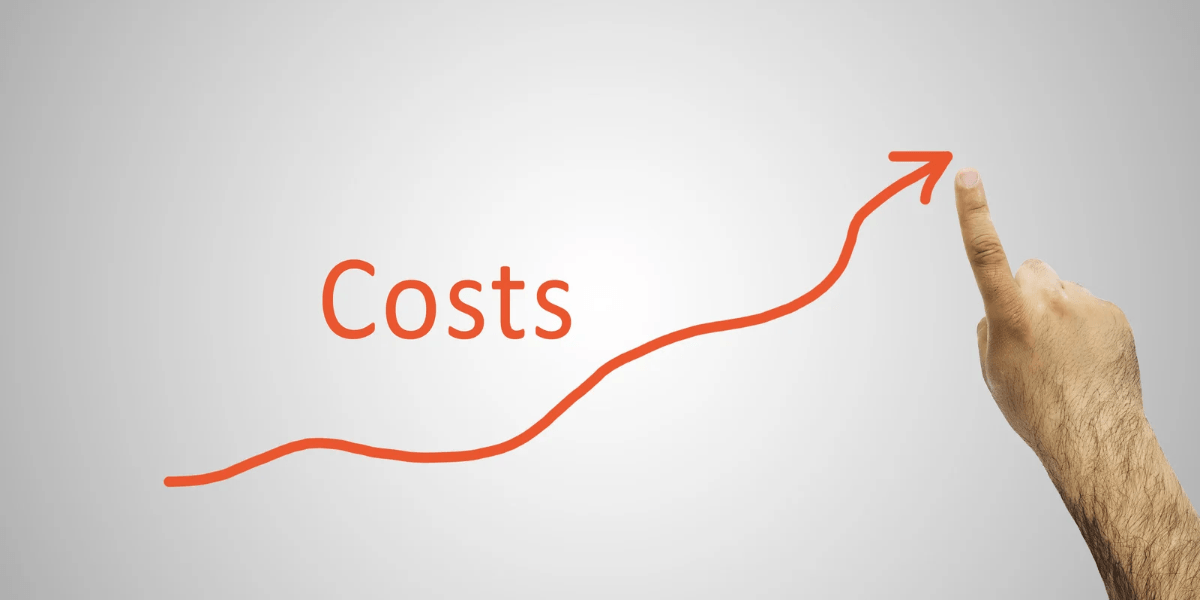
Rising wholesale prices highlight growing cost pressures across American industries, raising concerns about business expenses, supply chains, and future consumer prices.
U.S. Wholesale Prices Reveal Persistent Economic Pressure
American businesses received another important economic signal on Friday, November 13, 2026, when the U.S. Bureau of Labor Statistics released its latest Producer Price Index report. The figures showed that wholesale prices continued rising in October, highlighting the persistent cost pressures facing businesses across the country.
The Producer Price Index, commonly known as the PPI, measures changes in the prices domestic producers receive for their goods and services. Unlike the Consumer Price Index, which tracks prices paid by households, the PPI provides an important view of inflation from the seller's perspective.
According to the U.S. Bureau of Labor Statistics, prices for final demand increased 0.3 percent in October on a seasonally adjusted basis. Although this represented a slower monthly increase than September's revised 1.4 percent rise, the annual figures revealed a more concerning trend.
Producer prices increased 6.5 percent over the 12 months ending in October. This represented the largest annual increase since November 2022.
The report suggests that businesses continue to face substantial cost pressures, even as monthly price increases become more moderate.
Goods and Services Both Contribute to Higher Costs
The October report showed increases across both goods and services, indicating that inflationary pressures were not limited to one part of the economy.
Prices for final demand goods increased 0.5 percent during October. Meanwhile, prices for final demand services advanced 0.2 percent.
These movements matter because businesses depend on both physical products and services to maintain their operations.
Manufacturers must purchase materials, equipment, and other production inputs. Retailers depend on suppliers and distribution networks to keep products available. Service providers also face expenses related to transportation, labor, technology, and business operations.
When these costs increase, companies may need to reconsider their pricing strategies, operating budgets, and profit margins.
The BLS also reported that final demand prices excluding foods, energy, and trade services increased 0.5 percent in October. This measure is useful because it helps identify underlying price movements without some of the more volatile components.
The increase indicated that cost pressures remained present even beyond changes in food and energy markets.
Transportation Costs Add Pressure to Supply Chains
Transportation emerged as another important contributor to the October inflation picture.
According to the BLS report, prices for truck transportation of freight increased 3.9 percent during the month. Higher transportation expenses can affect companies throughout the supply chain, particularly those that depend on regular deliveries of raw materials and finished products.
For manufacturers, higher freight charges can increase the cost of bringing materials into production facilities. Retailers may experience higher expenses when moving inventory between warehouses and stores. Smaller businesses can face additional difficulties because they often have less purchasing power when negotiating transportation contracts.
These pressures can also affect consumers.
When businesses experience sustained increases in distribution and operating expenses, some may eventually adjust their selling prices to protect profitability. However, the extent to which companies pass these costs to customers depends on competition, demand, and their ability to absorb additional expenses.
The relationship between transportation costs and product prices makes supply chain management an important consideration for American businesses.
Why the Annual Inflation Figure Matters
Although the monthly increase slowed considerably from September, the annual increase of 6.5 percent deserves attention.
A single month's improvement does not necessarily indicate that inflation has been resolved. Businesses often evaluate longer periods to understand whether rising expenses represent temporary changes or a more persistent operating challenge.
Reuters reported that the October figures came in below economists' expectations for monthly growth. However, the annual increase demonstrated that underlying price pressures remained elevated.
The report also highlighted increases in food and transportation related costs. Food prices rose 1.3 percent during October, adding another layer of pressure to businesses involved in food production, distribution, and retail.
For companies operating with narrow profit margins, even relatively small increases in operating expenses can influence financial performance.
This is particularly important for small and medium sized businesses, which may have fewer resources available to absorb unexpected cost increases.
What the Report Means for American Businesses
The latest producer price figures provide several important considerations for business owners and industry professionals.
First, companies should continue paying attention to supplier pricing. Regular reviews of purchasing agreements and operating expenses can help businesses understand where cost increases are occurring.
Second, transportation efficiency deserves greater attention. Companies that depend on freight services may benefit from reviewing inventory planning, delivery schedules, and distribution arrangements.
Third, businesses should approach pricing decisions carefully. Increasing prices may help protect margins, but companies must also consider customer demand and competitive conditions.
Finally, financial planning remains important. Businesses should consider how changing input costs could affect budgets, production decisions, and future operating requirements.
The report also provides useful information for economists and policymakers evaluating broader inflation trends. Producer prices can offer an early indication of cost pressures that may eventually influence prices throughout the economy, although changes in wholesale prices do not always translate directly into equivalent consumer price increases.
A Key Economic Indicator to Watch
The November 13 report highlights the importance of monitoring producer prices as businesses navigate changing economic conditions.
While October's monthly increase was considerably smaller than September's, the 6.5 percent annual rise showed that inflation remains an important concern for American industries.
For business leaders, the central takeaway is the need to understand how supplier expenses, transportation charges, and production costs affect long term operations.
As companies prepare their budgets and evaluate business priorities, the latest PPI figures offer a useful reference point for assessing the economic environment.
The coming months will provide further insight into whether wholesale price pressures begin to ease or continue influencing business decisions across the United States.

Biz Recap Contributor
Covers entrepreneurship, business, and innovation, with an interest in the stories behind founders and growing companies.
This article features partner, contributor, or branded content from a third party. Members of the Biz Recap editorial staff were not involved in the creation of this content. All views and opinions are those of the contributor alone.
You May Also Like

Anthropic Makes History With Record Breaking IPO

What to Know Before Your Business Takes on Debt

The Roof Above Every Memory: Why New Jersey Homeowners Are Choosing Asch Roofing With Confidence
18th Street Trading And Jay R. Pocius Are Bringing A More Purposeful Approach To Futures Trading
Home Depot Names Richard McPhail as Its Next CEO