

Federal Reserve Holds April 2026 Policy Meeting, Signals Cautious Path Forward for U.S. Economy
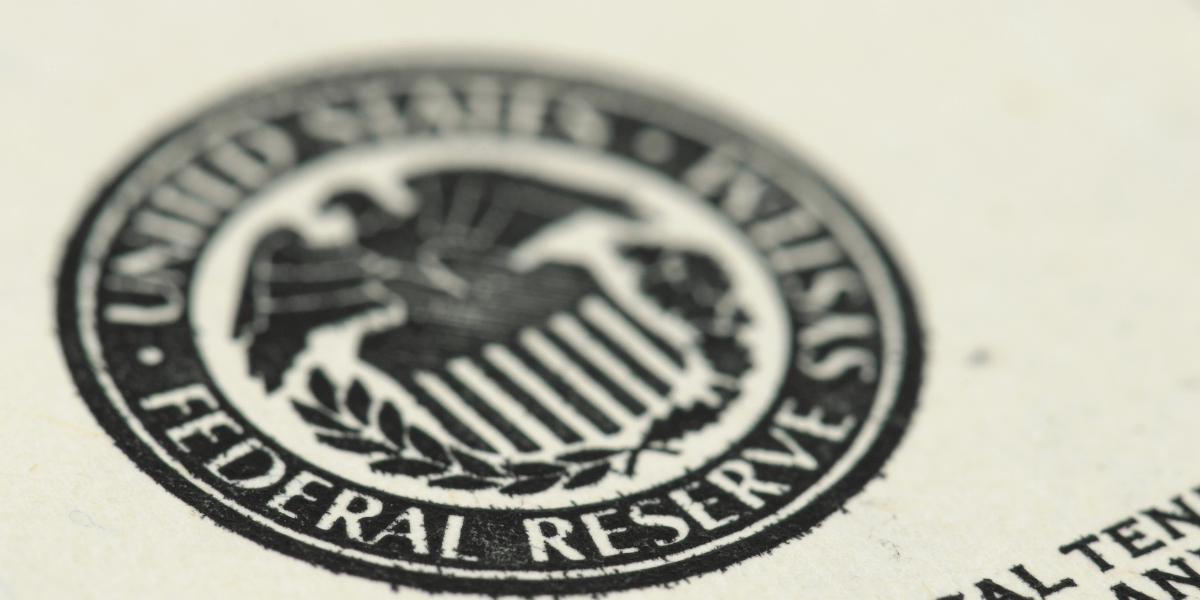
On April 29, 2026, the Federal Reserve concluded a closely watched policy meeting, offering updated guidance on interest rates and economic conditions. The announcement drew significant attention from investors, businesses, and financial analysts, as it provided insight into how policymakers are navigating a complex economic environment marked by moderating inflation and uneven growth.
Key Policy Decision
At the conclusion of its meeting, the Federal Reserve opted to maintain its benchmark interest rate within its current target range. This decision reflects a cautious approach as policymakers continue to assess the lagged effects of previous rate adjustments. According to the official statement released by the central bank, economic activity has shown resilience, but certain sectors, particularly housing and manufacturing, remain sensitive to borrowing costs.
The Fed emphasized that inflation has eased compared to previous years but remains above its long-term target. As a result, officials indicated that they are not yet prepared to begin a cycle of rate cuts. Instead, they reiterated a “data-dependent” stance, signaling that future decisions will be guided by incoming economic indicators.
Economic Context
The April meeting took place against a backdrop of mixed economic signals. Labor market conditions remain relatively strong, with steady job creation and low unemployment rates. However, consumer spending has shown signs of slowing, and business investment has been uneven across industries.
Inflation trends have been a central focus. Data from the U.S. Bureau of Labor Statistics indicates that price increases have moderated compared to peak levels seen in earlier years. Nonetheless, persistent pressures in services and wages continue to complicate the Fed’s efforts to achieve price stability.
Financial markets reacted modestly to the announcement. Major indices tracked by the New York Stock Exchange showed limited movement, suggesting that investors had largely anticipated the Fed’s decision.
Business and Market Implications
For businesses, the Fed’s decision to hold rates steady carries important implications. Borrowing costs remain elevated compared to pre-pandemic levels, influencing corporate financing strategies, capital expenditures, and expansion plans. Companies in capital-intensive sectors, such as real estate and infrastructure, are particularly sensitive to interest rate levels.
At the same time, the Fed’s cautious tone provides a degree of predictability. By signaling that abrupt policy shifts are unlikely, the central bank allows businesses to plan with greater confidence. Financial analysts note that stability in monetary policy can support long-term investment decisions, even in a higher-rate environment.
Small and medium-sized enterprises (SMEs) may continue to face challenges, especially those reliant on variable-rate financing. However, steady economic conditions and continued consumer demand offer some offsetting support.
Leadership Perspective
In remarks following the meeting, Federal Reserve leadership underscored the importance of balancing inflation control with economic growth. Officials highlighted that premature rate cuts could risk reigniting inflation, while overly restrictive policy could dampen economic activity unnecessarily.
This measured approach reflects lessons learned from past economic cycles. By maintaining flexibility, the Fed aims to respond effectively to evolving conditions without committing to a fixed policy path.
Key Takeaways
Several important insights emerge from the April 29 policy announcement:
- Stability Over Speed: The Federal Reserve is prioritizing a steady, cautious approach rather than rapid policy changes.
- Inflation Still a Concern: While progress has been made, inflation remains above target, justifying the current rate stance.
- Business Planning Environment: Companies can expect relative policy consistency in the near term, aiding strategic decision-making.
- Data-Driven Outlook: Future rate adjustments will depend heavily on economic data, particularly inflation and employment trends.
Looking Ahead
The Federal Reserve’s next steps will depend on how key indicators evolve in the coming months. Analysts will closely monitor inflation reports, labor market data, and consumer spending patterns for signals about the timing of potential rate adjustments.
For business leaders and investors, the April 29 meeting reinforces the importance of adaptability. In an environment where policy decisions hinge on rapidly changing data, maintaining flexibility in financial and operational strategies will be critical.

Biz Recap Contributor
Covers entrepreneurship, leadership, and professional development, highlighting people and businesses worth watching.
This article features partner, contributor, or branded content from a third party. Members of the Biz Recap editorial staff were not involved in the creation of this content. All views and opinions are those of the contributor alone.
You May Also Like

GlobalFoundries And Marvell Expand Chip Partnership As AI Data Center Demand Accelerates

Altera IPO Filing Opens A New Chapter For The United States Semiconductor Market
Investors Brace for Federal Reserve Decision as Inflation and Bond Yields Test Markets

Redha Alayesh: Best Marketing Consulting Service in Saudi Arabia of 2026

AI Is Changing the Management Playbook as Business Leaders Rethink How Work Gets Done
