

U.S. Economy Shows Modest Growth in Q1 2026 Amid Lingering Uncertainty
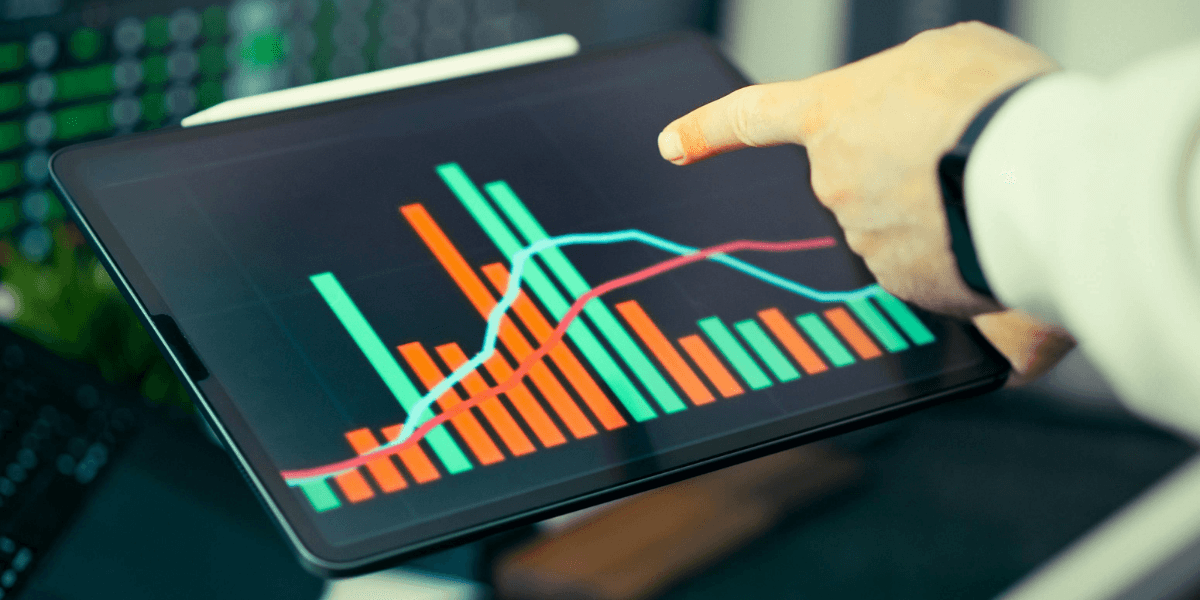
The United States economy expanded at a moderate pace in the first quarter of 2026, offering cautious optimism for businesses while highlighting ongoing economic headwinds. Newly released data from the Commerce Department indicates that gross domestic product (GDP)—the broadest measure of economic activity—grew at an annualized rate of 2% from January through March.
This development marks a rebound from the final quarter of 2025, when growth slowed significantly amid disruptions caused by a prolonged federal government shutdown. The improved performance reflects a partial recovery in consumer spending, business investment, and overall economic momentum entering the new year.
Key Drivers of Growth
The 2% GDP growth rate signals a return to modest expansion, supported by several underlying factors. Consumer spending—typically the largest component of the U.S. economy—showed resilience despite elevated costs and cautious household sentiment. Businesses also increased investments in equipment and inventory, suggesting a degree of confidence in near-term demand.
Additionally, the normalization of government operations after last year’s shutdown helped stabilize federal spending and restore economic activity that had previously stalled. This contributed to the stronger quarterly performance.
However, economists note that while the growth figure is encouraging, it remains below the levels typically associated with robust economic expansion. During stronger periods, the U.S. economy often grows at an annual rate closer to 2.5% to 3%.
Persistent Headwinds
Despite the rebound, the economic outlook remains clouded by several uncertainties. Ongoing geopolitical tensions continue to affect global markets, influencing energy prices and trade flows. These external pressures can ripple through the U.S. economy, impacting both businesses and consumers.
Higher borrowing costs also continue to weigh on economic activity. Although inflation has moderated compared to previous peaks, interest rates remain relatively elevated, making financing more expensive. This has led to more cautious spending and investment decisions across industries.
Supply chain conditions have improved compared to earlier years but are not fully normalized. Occasional bottlenecks still affect certain sectors, particularly manufacturing and logistics, where delays and cost fluctuations can disrupt operations.
Implications for Businesses
For business leaders and investors, the latest GDP data presents a mixed but actionable outlook. Steady growth indicates that the economy remains on stable footing, providing opportunities for continued activity and investment. At the same time, the moderate pace suggests that companies should adopt a measured approach to expansion.
Organizations may benefit from focusing on operational efficiency, cost control, and targeted investments rather than broad-based scaling. Consumer-facing industries such as retail and services should closely monitor spending behavior, as households remain sensitive to economic conditions.
Technology-driven sectors may continue to see opportunities, particularly in areas that enhance productivity or reduce operational costs. Businesses with international exposure should remain vigilant regarding external risks that could impact supply chains or market demand.
Market and Policy Considerations
Financial markets are likely to interpret the 2% growth figure as a sign of stability rather than rapid acceleration. For policymakers, the data underscores the need to balance economic support with inflation management.
Central bank decisions in the coming months will play a critical role in shaping the economic outlook. Any adjustments to interest rates could influence borrowing costs, investment activity, and overall growth momentum.
Fiscal policy may also contribute to economic direction, particularly if new initiatives are introduced to support infrastructure, innovation, or key industries.
Key Takeaways
The first-quarter GDP report reflects an economy that is stabilizing but not yet experiencing strong expansion. Growth has resumed at a moderate pace, supported by resilient consumer and business activity following recent disruptions.
At the same time, ongoing uncertainties—including global pressures and financial conditions—highlight the importance of cautious and strategic decision-making. Businesses and investors should remain adaptable, focusing on long-term value while managing near-term risks.
As 2026 progresses, future economic data will provide clearer insight into whether this momentum can be sustained or strengthened in the months ahead.

Biz Recap Contributor
Covers entrepreneurship, leadership, and professional development, highlighting people and businesses worth watching.
This article features partner, contributor, or branded content from a third party. Members of the Biz Recap editorial staff were not involved in the creation of this content. All views and opinions are those of the contributor alone.
You May Also Like

GlobalFoundries And Marvell Expand Chip Partnership As AI Data Center Demand Accelerates

Altera IPO Filing Opens A New Chapter For The United States Semiconductor Market
Investors Brace for Federal Reserve Decision as Inflation and Bond Yields Test Markets

Redha Alayesh: Best Marketing Consulting Service in Saudi Arabia of 2026

AI Is Changing the Management Playbook as Business Leaders Rethink How Work Gets Done
