US Economy Grows 3.4 Percent In Third Quarter As Consumer Spending And Business Investment Strengthen

The US economy grew 3.4 percent in the third quarter of 2026, supported by consumer spending and business investment despite inflation pressures.
The American economy delivered a stronger performance than many businesses might have expected in the third quarter of 2026. On October 29, newly released economic data showed that US gross domestic product expanded at an annualized rate of 3.4 percent, supported by resilient consumer spending and increased business investment. The figures revealed an economy continuing to grow despite elevated prices, household financial pressures, and concerns about the sustainability of consumer demand.
The report provides an important snapshot of economic conditions as businesses prepare for the final months of the year. While the headline growth rate suggests continued economic strength, underlying indicators reveal a more complex picture. Inflation remains elevated, household savings have declined, and purchasing power continues to face pressure. Together, these developments create both opportunities and challenges for companies operating across the United States.
US Economic Growth Accelerates In The Third Quarter
The October 29 economic report showed that real gross domestic product increased at an annualized rate of 3.4 percent during the third quarter, compared with 2.2 percent in the previous quarter.
Gross domestic product measures the total value of goods and services produced within an economy. Growth in this indicator generally reflects increased economic activity, including consumer purchases, business investment, and production.
Consumer spending played a major role in the latest expansion. Household expenditures increased at a 3.8 percent annualized rate during the quarter, demonstrating continued demand for goods and services.
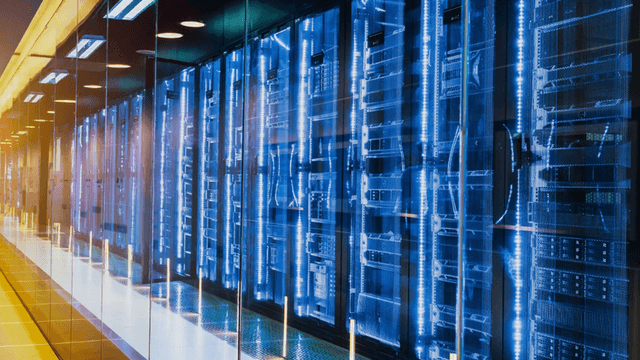
Business investment also strengthened significantly, rising 12.7 percent. Investment in artificial intelligence infrastructure contributed to this expansion as companies increased spending on computing equipment, data centers, and related technology.
These figures suggest that business activity remained resilient during the summer months, even as inflation and borrowing costs created uncertainty for households and corporate decision makers.
Consumer Spending Remains A Key Driver Of Growth
American consumers continued to support economic activity throughout the third quarter, despite facing higher prices for everyday goods and services.
However, September figures showed signs of slowing momentum. Consumer spending increased 0.5 percent during the month, compared with a 0.9 percent increase in August.
After adjusting for inflation, spending remained unchanged in September. This suggests that part of the increase in household expenditures reflected higher prices rather than additional purchases.
For retailers, restaurants, and service providers, the distinction matters. Rising sales revenue does not always indicate stronger demand when customers are paying more for the same products.
Businesses may therefore need to examine transaction volumes, customer retention, and purchasing patterns alongside revenue growth.
Business Investment And AI Infrastructure Support Expansion
Another important factor behind the third quarter's performance was increased business investment.
Investment rose 12.7 percent, supported partly by continued spending on artificial intelligence infrastructure and related equipment.
Companies across multiple industries have been expanding their digital capabilities to improve operational efficiency, manage information, and support new services.
Investment in computing infrastructure can also create demand for construction, electrical equipment, networking systems, and specialized technical services.
Nevertheless, substantial capital spending does not automatically translate into immediate productivity improvements. Businesses must consider implementation costs, workforce requirements, and the time needed to generate measurable operational benefits.
The latest figures demonstrate the growing influence of technology investment on overall economic activity.
Inflation And Household Savings Raise Concerns
Despite stronger economic growth, inflation remains a significant challenge.
The Personal Consumption Expenditures Price Index increased 0.5 percent in September and 3.6 percent compared with the same month in 2025. The annual rate was higher than August's 3.4 percent.
Core inflation, which excludes food and energy, reached 3.1 percent annually.
Meanwhile, the personal savings rate declined to 3.8 percent, its lowest level since 2022. Real disposable income also fell 0.3 percent in September.
These indicators suggest that households have less financial flexibility to manage unexpected expenses or further price increases.
For businesses, this could affect demand for discretionary products and services. Companies serving price sensitive customers may face greater pressure to demonstrate value and maintain competitive pricing.
What The Latest Economic Data Means For Businesses
The October 29 report presents a mixed but informative outlook for American companies.
Strong economic growth indicates that consumer activity and business investment continued to support expansion during the third quarter. However, rising inflation and declining savings suggest that demand may become more difficult to sustain.
Business leaders can use these findings to evaluate pricing strategies, operating expenses, and customer purchasing behavior.
Retailers may benefit from monitoring changes in spending patterns, while manufacturers and service providers can assess how higher input costs affect profitability.
Companies planning major investments should also consider financing conditions and the potential effects of persistent inflation.
Rather than relying solely on headline GDP growth, decision makers can gain a clearer understanding of economic conditions by examining consumer demand, household income, and investment trends together.
A Strong Economy Faces Important Tests Ahead
The United States entered the final quarter of 2026 following a period of stronger economic expansion. Consumer spending and business investment helped deliver 3.4 percent annualized GDP growth, demonstrating resilience across major areas of the economy.
Yet the October 29 data also highlights important risks. Inflation remains elevated, savings have weakened, and consumer spending showed signs of slowing as the third quarter ended.
For American businesses, the central takeaway is that economic growth and financial pressure can exist simultaneously.
Organizations that closely monitor customer behavior, manage expenses carefully, and evaluate investments against measurable business needs will be better equipped to navigate changing conditions.
The coming months will provide further evidence of whether consumer demand and business investment can maintain their momentum as the economy moves toward 2027.

Biz Recap Contributor
Covers entrepreneurship, leadership, and professional development, highlighting people and businesses worth watching.
This article features partner, contributor, or branded content from a third party. Members of the Biz Recap editorial staff were not involved in the creation of this content. All views and opinions are those of the contributor alone.
You May Also Like

LifeOS™ Is Live: Donald Lavoile's AI Vision
Memorra: Best Digital Legacy Technology Platform in the USA of 2026

Oracle Expands AI Cloud Infrastructure With Nvidia, Google, And Cerebras In Major Technology Push

Michael J. Bannach: Who Owns the Answer to Your Next Security Questionnaire?

American Bankers Association Opens 2026 Annual Convention As U.S. Banks Focus On Growth And Modernization