U.S. Daylight Saving Time Ends November 1, 2026: What The Clock Change Means For American Businesses
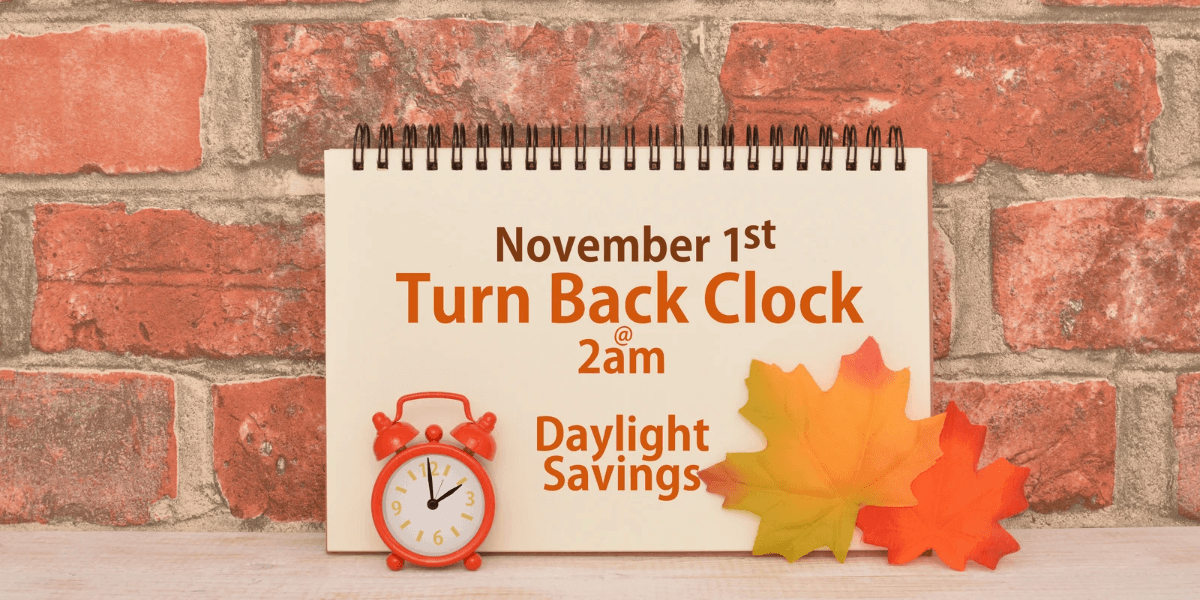
The U.S. returned to standard time on November 1, 2026, bringing changes to business schedules, technology systems, and global coordination.
For millions of Americans, Sunday, November 1, 2026, began with an unusual adjustment: an extra hour on the clock. While many households welcomed additional rest, businesses faced a familiar operational challenge. The end of daylight saving time required organizations to account for changes in scheduling, transportation, digital systems, and international communication. Although the transition happens annually, its effects extend beyond personal routines, highlighting the importance of accurate timekeeping in an increasingly connected economy.
U.S. Daylight Saving Time Officially Ends For 2026
At 2 a.m. local time on November 1, clocks moved backward one hour to 1 a.m. across most of the United States. The transition marked the official end of daylight saving time for 2026 and the return to standard time. Daylight saving time began on March 8, 2026, following federal rules that establish the second Sunday in March as its beginning and the first Sunday in November as its conclusion. The transition means sunrise and sunset occur approximately one hour earlier according to local clocks. Consequently, Americans experience more daylight in the morning and less in the evening. However, the change does not apply everywhere. Hawaii, most of Arizona, and several U.S. territories remain on standard time throughout the year. The Navajo Nation, including its territory in Arizona, observes daylight saving time.
Why The Time Change Matters For American Businesses
Although moving clocks backward may seem minor, standardized timekeeping plays an essential role in modern business operations. Transportation companies, logistics providers, financial institutions, and technology businesses rely on accurate schedules to coordinate activities across multiple locations. For companies operating across state boundaries, the November transition can require reviewing appointment systems, delivery schedules, employee shifts, and automated notifications. Businesses with international operations face another consideration. Different countries change their clocks on different dates, while others do not observe seasonal changes at all. As a result, the time difference between U.S. offices and overseas partners can shift, even when neither organization changes its normal working hours. For managers, the event serves as a reminder that reliable scheduling depends on more than a shared calendar.
Technology Systems Face A Recurring Coordination Challenge
Digital technology has made seasonal time adjustments easier for consumers. Smartphones, computers, and many connected devices automatically update their clocks when configured correctly. Nevertheless, businesses still need to account for applications that use fixed time offsets, manually configured schedules, or systems operating across different time zones. The repeated hour during the November transition is particularly important for software that records transactions, monitors equipment, or processes scheduled activities. For example, an event recorded at 1:30 a.m. could occur twice during the transition in locations observing the change. Systems that store only local clock time may therefore need additional information to distinguish the two occurrences. Organizations can reduce potential confusion by using established time zone standards, maintaining synchronized systems, and recording timestamps with appropriate time zone information.
How The November Transition Affects International Coordination
The end of U.S. daylight saving time also changes the timing of international business interactions. Many European countries ended their seasonal clock changes on October 25, 2026, one week before the United States. During that interval, the time difference between participating European and American locations was temporarily smaller than usual. Following the U.S. transition on November 1, the familiar winter time differences returned. For businesses coordinating international meetings, customer support, manufacturing, or transportation, these changes can affect when activities occur across regions. Companies operating across several continents may benefit from reviewing their scheduling practices to ensure employees, customers, and partners remain aligned.
What Comes Next For U.S. Daylight Saving Time?
The November 1 transition begins several months of standard time across most of the country. Under the existing schedule, daylight saving time will resume on Sunday, March 14, 2027, when clocks move forward one hour at 2 a.m. local time. The current framework has been in place since 2007, following changes introduced through the Energy Policy Act of 2005. The revised schedule extended daylight saving time by approximately one month compared with the previous system. The November transition demonstrates how a routine national event can influence daily activities across numerous industries without changing the fundamental structure of business operations.
What Business Leaders Should Take Away From The 2026 Time Change
For business leaders, the most practical lesson is the importance of preparing systems and teams for predictable scheduling changes. Reviewing international meeting times, verifying automated processes, and confirming employee schedules can help organizations maintain continuity during seasonal transitions. The November 1 event also illustrates the broader value of dependable digital infrastructure. As businesses become more connected across regions, accurate timekeeping remains essential for coordination, customer service, and operational reliability. For American businesses, the return to standard time is more than an annual calendar adjustment. It is a useful reminder that even small changes require careful coordination in a modern economy.

Biz Recap Contributor
Covers entrepreneurship, business, and innovation, with an interest in the stories behind founders and growing companies.
This article features partner, contributor, or branded content from a third party. Members of the Biz Recap editorial staff were not involved in the creation of this content. All views and opinions are those of the contributor alone.
You May Also Like

LifeOS™ Is Live: Donald Lavoile's AI Vision
Memorra: Best Digital Legacy Technology Platform in the USA of 2026
US Economy Grows 3.4 Percent In Third Quarter As Consumer Spending And Business Investment Strengthen
Oracle Expands AI Cloud Infrastructure With Nvidia, Google, And Cerebras In Major Technology Push

Michael J. Bannach: Who Owns the Answer to Your Next Security Questionnaire?