Investors Brace for Federal Reserve Decision as Inflation and Bond Yields Test Markets
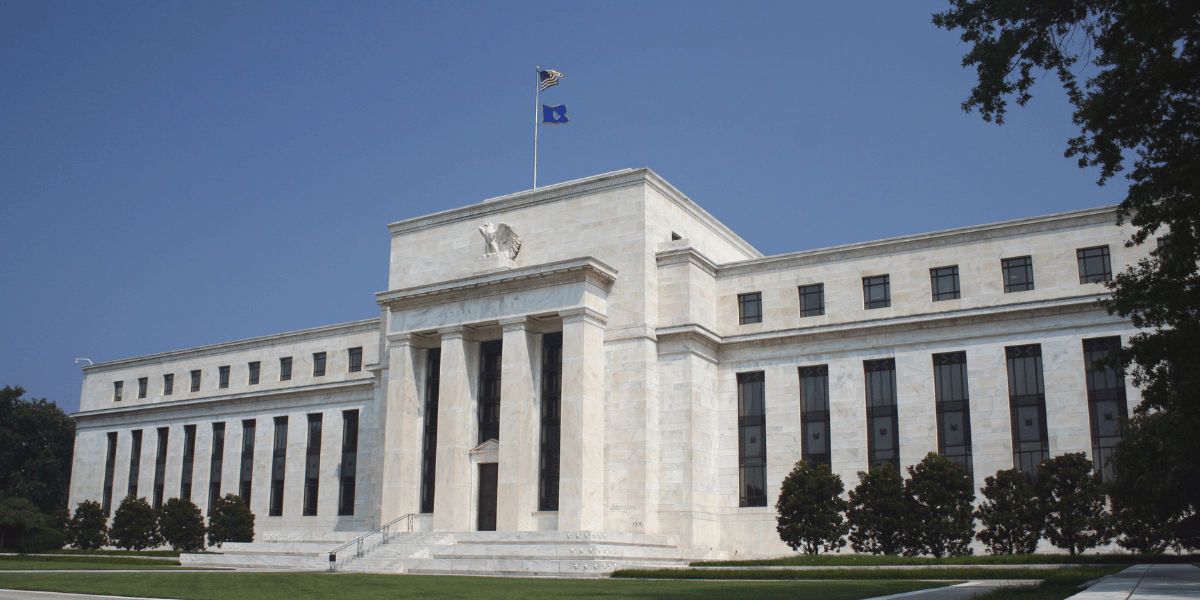
Investors prepare for a key Fed decision as inflation, higher Treasury yields, and volatile oil prices test markets.
U.S. investors entered the new week focused heavily on the Federal Reserve as policymakers prepared for an interest-rate decision that could influence stocks, bonds, borrowing costs, and investment strategies across the economy.
Expectations for a possible rate increase have strengthened following recent inflation data and a sharp rise in Treasury yields. The shift has added uncertainty to financial markets after a period in which major U.S. stock indexes remained positive for the year despite renewed volatility.
The Federal Reserve's upcoming decision is particularly important because interest rates influence nearly every corner of the financial system. Higher rates can increase borrowing costs for businesses and consumers while also making bonds and other income-producing investments more competitive with stocks.
For investors, the central question is whether inflation has become persistent enough to require tighter monetary policy.
Inflation Keeps Interest Rates in Focus
Recent economic data provided investors with additional information about the inflation picture.
U.S. consumer prices increased 0.4% in August, while annual inflation remained at 3.4%. Core inflation, which excludes the more volatile food and energy categories, rose 0.3% during the month and 2.4% compared with a year earlier.
Although the figures were broadly consistent with expectations, inflation remains above the Federal Reserve's long-term 2% target.
That has strengthened expectations that policymakers could consider another rate increase as they attempt to prevent elevated prices from becoming entrenched throughout the economy.
The challenge for policymakers is balancing inflation control against the broader effects of higher borrowing costs. Raising interest rates can help moderate demand, but it can also make mortgages, corporate borrowing, credit, and other financing more expensive.
For financial markets, even small changes in expectations can produce significant movements across asset classes.
Treasury Yields Add Pressure
The bond market has become another major area of attention.
The benchmark 10-year U.S. Treasury yield recently approached 5%, reaching levels not seen in several years before easing following the latest inflation report. Higher Treasury yields can have broad consequences because government bond rates serve as benchmarks for many forms of borrowing.
They also affect how investors evaluate stocks.
When Treasury securities offer higher yields, investors may demand stronger potential returns from equities to compensate for the additional risk of owning stocks. That can place pressure on stock valuations, particularly for companies whose market prices depend heavily on expectations for future earnings growth.
Technology and other growth-oriented sectors can be especially sensitive to movements in long-term interest rates because higher discount rates reduce the present value investors assign to future profits.
For businesses, elevated Treasury yields can also translate into higher financing costs when issuing debt or refinancing existing obligations.
Wall Street Remains Resilient
Despite concerns about inflation and interest rates, U.S. equities showed resilience at the end of the latest trading week.
The S&P 500 gained 0.9% on Friday, while the Dow Jones Industrial Average and Nasdaq Composite each advanced approximately 1%. The rebound followed several sessions of pressure caused partly by rising energy prices and bond yields.
The major indexes nevertheless finished the week lower. The S&P 500 declined approximately 0.8% for the week, the Dow fell 1.6%, and the Nasdaq lost around 0.7%.
Even after those declines, the major indexes remained higher for 2026, demonstrating the contrast between longer-term market gains and the renewed uncertainty surrounding monetary policy.
This environment may keep investors particularly attentive to economic data and Federal Reserve communications.
Why the Fed Decision Matters to Investors
Interest-rate decisions can influence investment portfolios through several channels.
Bond prices generally move inversely to yields, meaning rising market rates can reduce the value of existing fixed-rate securities. Equities can also react as investors reassess corporate earnings, borrowing expenses, and valuations.
Banks and other financial institutions may experience different effects depending on changes in lending margins, credit conditions, and customer demand.
Businesses with significant debt can face higher refinancing costs, while companies holding substantial cash may benefit from higher returns on short-term investments.
For individual investors, the changing environment reinforces the importance of understanding how different assets respond to interest rates rather than focusing exclusively on short-term market movements.
Markets Look Toward the Week Ahead
The Federal Reserve will be the central event for financial markets in the coming days, but it will not be the only economic development investors are watching.
New U.S. retail sales data will provide additional insight into consumer spending, a major component of economic activity. Investors will examine whether households are maintaining spending despite higher prices and borrowing costs.
Markets will also continue monitoring Treasury yields and energy prices because both can influence inflation expectations and corporate expenses.
The combination of inflation, interest rates, bond yields, and consumer activity makes the upcoming week an important test of market sentiment.
For investors and business leaders, the key takeaway is that monetary policy has returned to the center of financial decision-making. Recent market gains demonstrate continued confidence in parts of the U.S. economy, but higher yields and persistent inflation create additional uncertainty.
The Federal Reserve's next decision—and its explanation of the economic outlook—could therefore shape expectations well beyond the immediate market reaction, influencing investment strategies, corporate financing decisions, and financial conditions heading into the final months of 2026.

Biz Recap Contributor
Covers entrepreneurship, leadership, and professional development, highlighting people and businesses worth watching.
This article features partner, contributor, or branded content from a third party. Members of the Biz Recap editorial staff were not involved in the creation of this content. All views and opinions are those of the contributor alone.
You May Also Like

Redha Alayesh: Best Marketing Consulting Service in Saudi Arabia of 2026

AI Is Changing the Management Playbook as Business Leaders Rethink How Work Gets Done

U.S. Stocks Retreat as $100 Oil and Rising Treasury Yields Pressure Markets

AI Is Lowering the Barrier to Entrepreneurship as More People Turn Ideas Into Businesses

U.S. Startup Ecosystem Enters September With Strong Momentum in AI and Autonomous Technology