Nvidia’s New AI PC Platform Signals the Next Phase of Enterprise Computing
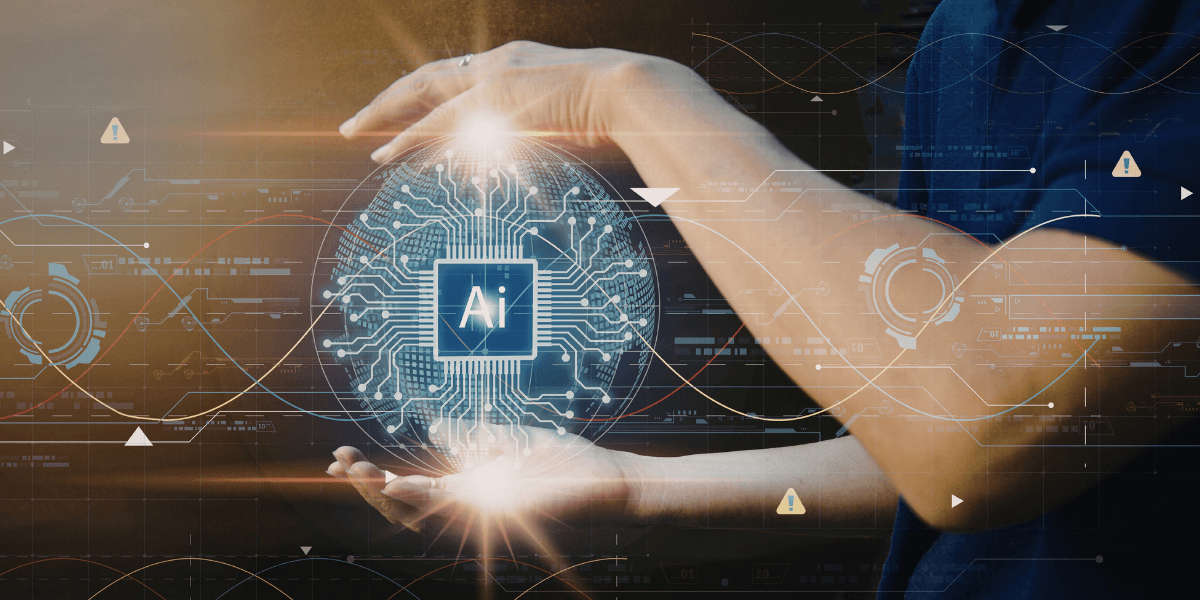
June 1, 2026, marked a significant moment for the U.S. technology industry as Nvidia unveiled a new generation of artificial intelligence (AI)-powered personal computing technology, drawing strong attention from investors, enterprise leaders, and the broader business community. The announcement contributed to gains in major U.S. stock indexes and highlighted the growing role of AI-enabled devices in the future of workplace productivity and digital transformation.
The development occurred during a major technology presentation in which Nvidia introduced a new AI-focused PC platform designed to bring advanced AI capabilities directly to personal computers. The announcement was viewed as an important step in expanding AI beyond cloud-based services and large data centers into everyday business computing environments. Market participants responded positively, helping drive technology stocks higher and pushing the Nasdaq and S&P 500 to fresh record levels.
The significance of the announcement extends beyond a single product launch. Over the past several years, AI adoption has primarily centered on cloud infrastructure, enterprise software, and large-scale computing environments. However, the next phase of AI development increasingly focuses on bringing intelligent capabilities directly to devices used by employees, managers, and business professionals every day.
AI-powered PCs are designed to perform advanced tasks locally rather than relying entirely on remote servers. This approach can improve performance, reduce latency, enhance privacy, and lower the costs associated with transferring large volumes of data to cloud platforms. For businesses, the ability to run AI applications directly on employee devices may create new opportunities for productivity and operational efficiency.
The June 1 announcement reflects a broader industry shift toward what many technology analysts describe as “edge AI,” where processing occurs closer to the user rather than in centralized data centers. As AI tools become more integrated into workplace applications, organizations are exploring ways to deliver faster and more responsive experiences. New hardware platforms optimized for AI workloads are expected to play a central role in achieving that goal.
The market reaction demonstrated the importance investors continue to place on AI-related innovation. Technology companies across the semiconductor, software, and cloud computing sectors experienced increased attention following Nvidia’s announcement. Industry observers noted that the development reinforced confidence in the long-term demand for AI infrastructure and related technologies.
One reason the announcement generated such interest is that AI-enabled PCs have the potential to reshape how employees interact with technology. Many businesses are already using AI-powered assistants, automated content generation tools, predictive analytics platforms, and intelligent workflow systems. Running these capabilities directly on personal devices could enable faster processing, improved customization, and more reliable performance in environments where internet connectivity may be limited.
The launch also highlights the increasingly interconnected nature of the technology ecosystem. AI hardware manufacturers, software developers, cloud providers, and enterprise solution vendors are working together to create integrated platforms that support a wide range of business applications. As a result, innovations in one segment of the industry often generate opportunities across multiple sectors.
For business leaders, the development offers several important insights. First, AI is continuing to move beyond experimentation and into practical deployment. Organizations are no longer focused solely on evaluating AI’s potential; many are actively integrating intelligent technologies into daily operations. This trend suggests that AI capabilities will become a standard component of workplace technology over the coming years.
Second, hardware is becoming an increasingly important part of AI strategy. While software often receives the most attention, successful AI implementation depends on having computing systems capable of supporting advanced workloads. Companies evaluating future technology investments may need to consider how their device infrastructure aligns with emerging AI requirements.
Third, the announcement demonstrates that innovation within the AI sector continues to expand beyond data centers and cloud environments. As AI applications become more sophisticated, demand for powerful local computing resources is expected to increase. This could create new opportunities for businesses that provide hardware, software, cybersecurity, and IT services.
The broader implications for the U.S. economy are also noteworthy. Technology investment remains a major driver of business modernization and productivity growth. Advances in AI computing platforms may help organizations automate repetitive tasks, improve decision-making, and enhance employee efficiency. These benefits could contribute to stronger competitiveness across industries ranging from healthcare and manufacturing to financial services and professional consulting.
Looking ahead, analysts will continue monitoring how quickly businesses adopt AI-enabled PCs and related technologies. Adoption rates will likely depend on factors such as cost, software compatibility, security considerations, and measurable business outcomes. Nevertheless, the momentum surrounding AI-driven computing suggests that demand for intelligent workplace technology will remain strong throughout 2026 and beyond.
The events of June 1 underscore a broader transformation taking place across the technology landscape. Nvidia’s latest AI platform represents more than a hardware announcement—it signals the continued evolution of enterprise computing toward systems that are increasingly intelligent, responsive, and capable of supporting the next generation of digital business operations. As organizations seek to harness the benefits of AI, innovations such as these will help shape the future of work and technology in the United States.

Biz Recap Contributor
Covers business, branding, entrepreneurship, and digital trends, with a focus on making complex topics accessible.
This article features partner, contributor, or branded content from a third party. Members of the Biz Recap editorial staff were not involved in the creation of this content. All views and opinions are those of the contributor alone.
You May Also Like

Soar90 Brings Its First 90 Day Career Roadmap To Apple And Android Users

Atlantic Health Strategies Builds Behavioral Health

Accelevation Raises $540 Million in Major U.S. IPO as Data Center Infrastructure Demand Grows

IROS 2026 Brings the Next Wave of Robotics Innovation to Pittsburgh
Microsoft Expands Copilot With New AI Tools Designed To Transform How Businesses Work