Oil Prices Surge Above $100 as U.S.-Iran Deadlock Raises Inflation Concerns
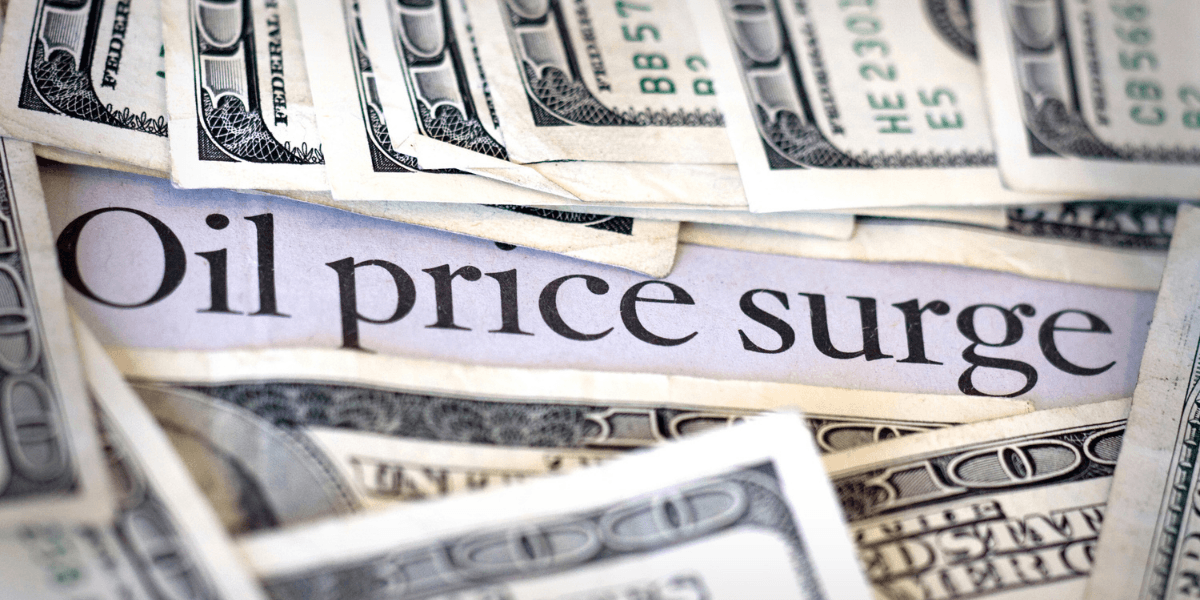
Oil prices climbed sharply on May 11, 2026, after negotiations tied to a U.S.-Iran peace proposal stalled, intensifying concerns about global energy supplies and renewed inflation pressures across the United States and international markets. The development quickly became one of the most closely watched business stories of the day, with investors, economists, and corporate leaders assessing the broader economic impact of rising energy costs.
Brent crude futures rose above $103 per barrel during Monday trading, while U.S. West Texas Intermediate crude approached the $100 mark. Earlier in the session, both benchmarks briefly traded even higher as markets reacted to uncertainty surrounding the Strait of Hormuz, a critical global shipping route for oil exports. Prices rallied after President Donald Trump described Iran’s response to a U.S. proposal as “unacceptable,” fueling fears that disruptions to energy shipments could continue for an extended period.
The Strait of Hormuz remains one of the world’s most strategically important energy corridors, with a significant portion of global oil exports moving through the narrow waterway each day. Continued disruptions or shipping restrictions in the region can quickly affect global supply levels, transportation costs, and fuel prices. Market analysts noted that the reaction reflected growing concerns that diplomatic efforts may not produce a near-term resolution.
The spike in oil prices immediately influenced broader financial markets. European shares traded cautiously, while Asian markets delivered mixed results as investors evaluated the economic risks tied to higher fuel and transportation costs. Oil prices jumped roughly 4% following the latest developments in the negotiations, adding pressure to industries that rely heavily on stable energy prices, including airlines, manufacturing, logistics, and retail operations.
The rising cost of oil also renewed concerns about inflation in the United States. Over the past year, businesses and consumers have already faced elevated prices in categories such as transportation, food distribution, and utilities. Economists warned that another sustained increase in crude oil prices could slow progress in reducing inflation and complicate future monetary policy decisions by the Federal Reserve.
Those concerns were reinforced by updated forecasts from major financial institutions released on May 11. Goldman Sachs and Bank of America revised their expectations for future Federal Reserve interest-rate cuts, citing persistent inflation risks tied partly to higher energy prices. Goldman Sachs now expects the first rate cut to occur in December 2026 rather than September, while Bank of America projected that the Fed could keep rates unchanged for the remainder of the year.
The revised outlook matters significantly for businesses and consumers alike. Higher interest rates increase borrowing costs for companies seeking to expand operations, invest in equipment, or hire additional workers. Consumers may also face continued pressure from elevated mortgage rates, auto loan costs, and credit card interest rates. In sectors such as housing and retail, prolonged high rates can slow economic activity and reduce consumer spending.
At the same time, the latest market developments highlighted the interconnected nature of global trade and energy markets. Rising oil prices can affect everything from airline ticket prices and shipping expenses to manufacturing costs and agricultural production. Large corporations often attempt to hedge against fuel-price volatility, but smaller businesses typically have fewer resources to absorb sudden increases in operating expenses.
The energy rally also influenced commodity markets beyond oil. Gold prices fell roughly 1% as traders focused on the inflationary impact of higher oil prices and the possibility of interest rates remaining elevated for longer than previously expected.
Despite the uncertainty, analysts emphasized that markets remain highly sensitive to diplomatic developments. Earlier reports during the previous week had briefly raised hopes for progress in negotiations, causing oil and gas prices to retreat temporarily before the latest reversal. The rapid swings demonstrate how quickly investor sentiment can change in response to geopolitical and economic signals.
For business leaders, the events of May 11 serve as a reminder that geopolitical disruptions can have immediate consequences for global markets and domestic economic conditions. Companies with extensive supply chains, transportation networks, or energy-intensive operations may need to reassess risk-management strategies if elevated oil prices persist in the coming months.
Investors are also watching upcoming U.S. inflation data and Federal Reserve communications closely for signs of how policymakers may respond to the changing environment. Financial markets have recently experienced strong gains in technology and artificial intelligence sectors, but rising energy costs and inflation concerns could create additional volatility if economic conditions worsen.
While the long-term outcome of the U.S.-Iran negotiations remains uncertain, the immediate market reaction underscores the central role energy prices continue to play in the global economy. Oil remains a critical driver of inflation expectations, business planning, and investor confidence, making developments in the energy sector especially important for companies and consumers navigating an already complex economic landscape.

Biz Recap Contributor
Covers entrepreneurship, business, and innovation, with an interest in the stories behind founders and growing companies.
This article features partner, contributor, or branded content from a third party. Members of the Biz Recap editorial staff were not involved in the creation of this content. All views and opinions are those of the contributor alone.
You May Also Like
Atlantic Health Strategies Builds Behavioral Health
Accelevation Raises $540 Million in Major U.S. IPO as Data Center Infrastructure Demand Grows

IROS 2026 Brings the Next Wave of Robotics Innovation to Pittsburgh

Microsoft Expands Copilot With New AI Tools Designed To Transform How Businesses Work

U.S. Business Activity Reaches Its Strongest Pace In More Than Five Years