U.S. Tech Companies Accelerate AI Infrastructure Spending as Financing Activity Surges
The rapid expansion of artificial intelligence infrastructure has become one of the defining business stories of 2026, with major U.S. technology companies significantly increasing investments in data centers, cloud computing capacity, and AI systems. Over the weekend, financial analysts and market observers highlighted a sharp rise in corporate financing activity tied directly to AI development, signaling that the race to scale generative AI technologies is entering a new phase.
Recent reports from Reuters and The Washington Post indicate that some of the world’s largest technology firms — including Amazon, Alphabet, Meta, Oracle, and Microsoft — are increasingly turning to debt markets to fund AI infrastructure projects. Analysts estimate that major technology companies could collectively spend more than $600 billion on AI-related infrastructure by 2026, compared with roughly $410 billion in 2025.
The trend reflects the growing importance of artificial intelligence across industries ranging from cloud computing and software development to finance, healthcare, and logistics. Businesses are rapidly integrating AI tools into their operations, increasing demand for processing power, advanced chips, and large-scale data centers.
According to Reuters, Amazon recently explored raising approximately $37 billion through a multi-part bond sale to support AI infrastructure expansion. Alphabet also issued a large-scale bond offering earlier this year, while Meta Platforms continues increasing capital expenditures tied to AI development and personalized AI services.
Industry experts say the scale of spending demonstrates how competitive the AI market has become.
“Technology companies are no longer treating AI as an experimental side project,” said several analysts cited in recent market coverage. “AI infrastructure is becoming a core strategic priority, similar to the rise of cloud computing more than a decade ago.”
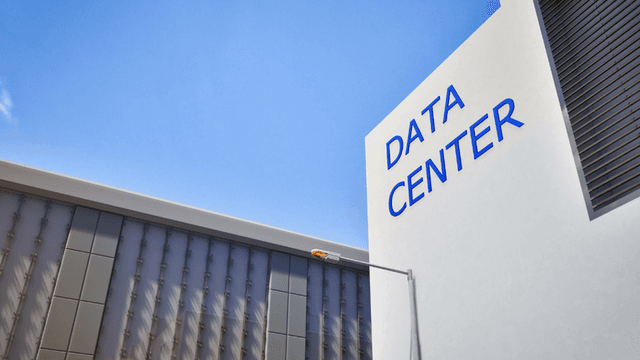
One of the key drivers behind the investment surge is the extraordinary computing demand required to train and operate large AI models. Generative AI systems depend on powerful graphics processing units (GPUs), extensive networking systems, and energy-intensive data centers. As adoption increases, companies are competing to secure both computing hardware and physical infrastructure capacity.
The financing boom is also reshaping the broader corporate bond market. According to reporting cited by The Washington Post, technology firms became some of the largest issuers of investment-grade corporate debt during late 2025 and early 2026. Analysts noted that the sector’s borrowing activity has reached record levels as firms seek flexible financing options without significantly reducing cash reserves.
Market analysts believe investors remain willing to support these investments because large technology companies continue to generate strong revenue and cash flow. However, some economists have raised concerns about whether the pace of AI spending could eventually outstrip near-term returns.
Despite those concerns, investor sentiment surrounding AI remains strong.
Several recent startup funding rounds also highlight continuing momentum in the sector. Bloomberg reported that Google-backed AI research company Isomorphic Labs is preparing to raise more than $2 billion in fresh financing. Venture capital firms are increasingly directing investments toward AI software, cloud infrastructure, semiconductor technologies, and automation tools.
Meanwhile, startup investors are focusing more heavily on companies that can demonstrate measurable business value from AI products rather than relying solely on rapid user growth or hype. Business Insider recently reported that venture capital firms are prioritizing startups capable of delivering clear operational efficiency and return on investment.
The effects of AI investment are extending beyond Silicon Valley. Economic development organizations and startup accelerators across the United States are promoting alternative funding models to support early-stage technology companies. Technical.ly reported this week that grants, regional investment programs, and community funding initiatives are becoming increasingly important as startups seek capital outside traditional venture financing.
The infrastructure expansion is also expected to have long-term implications for energy markets and commercial real estate. AI-focused data centers require enormous electricity capacity and specialized facilities, leading utility companies, construction firms, and industrial developers to expand projects tied to technology infrastructure.
At the same time, the competitive pressure among technology companies continues intensifying. Companies are racing not only to develop more advanced AI systems but also to establish reliable cloud platforms capable of serving enterprise customers at scale.
For businesses outside the technology sector, the latest developments suggest that AI adoption is likely to accelerate further throughout 2026. Financial services firms, healthcare providers, manufacturers, and retailers are increasingly investing in AI-powered automation and data analysis tools to improve productivity and reduce operational costs.
The current wave of infrastructure spending may ultimately shape the next decade of business innovation in the United States. Much like the cloud computing expansion of the 2010s, today’s investments in AI infrastructure could create new markets, transform enterprise software, and redefine how companies operate.
While questions remain about long-term profitability and sustainability, one conclusion is becoming increasingly clear: artificial intelligence is no longer viewed as a future opportunity alone. For many of the country’s largest corporations, AI infrastructure has become an immediate strategic priority.

Biz Recap Contributor
Covers business, branding, entrepreneurship, and digital trends, with a focus on making complex topics accessible.
This article features partner, contributor, or branded content from a third party. Members of the Biz Recap editorial staff were not involved in the creation of this content. All views and opinions are those of the contributor alone.
You May Also Like

Atlantic Health Strategies Builds Behavioral Health
Accelevation Raises $540 Million in Major U.S. IPO as Data Center Infrastructure Demand Grows

IROS 2026 Brings the Next Wave of Robotics Innovation to Pittsburgh

Microsoft Expands Copilot With New AI Tools Designed To Transform How Businesses Work

U.S. Business Activity Reaches Its Strongest Pace In More Than Five Years