U.S. Consumer Sentiment Falls to Record Low, Signaling Mounting Economic Pressure
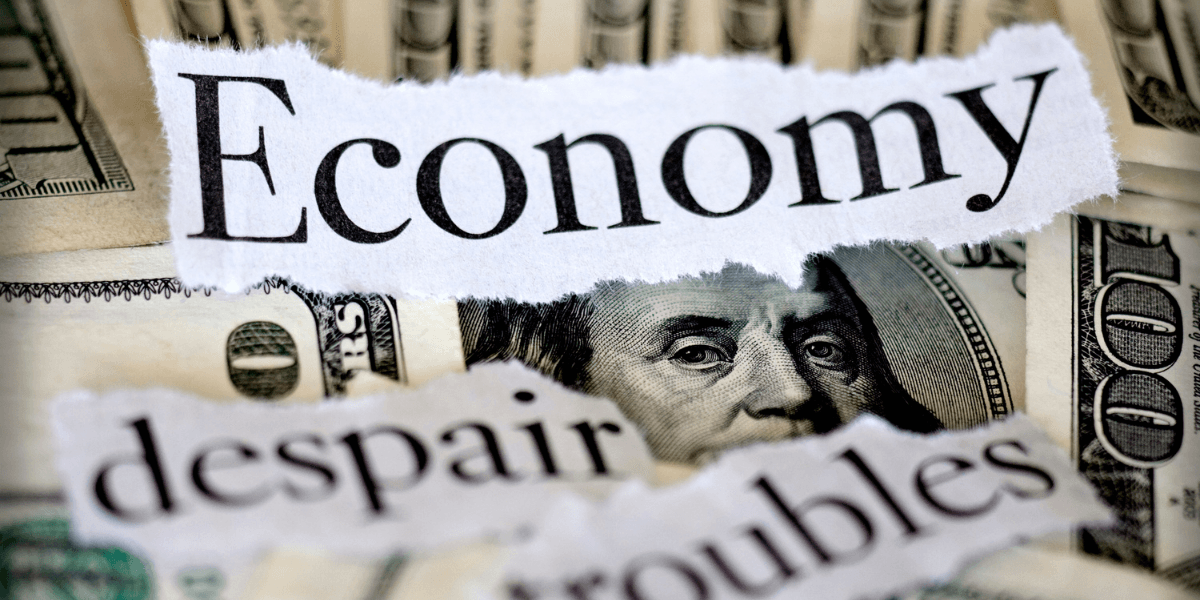
On April 25, 2026, newly released data highlighted a significant shift in the U.S. economic landscape: consumer sentiment has dropped to its lowest level on record. The development, reported by the University of Michigan’s widely followed consumer survey, underscores growing concerns among households about inflation, energy prices, and broader economic uncertainty.
The index fell to a final reading of 49.8 in April, marking an unprecedented low and a notable decline from 53.3 in March. Although slightly higher than earlier estimates for the month, the figure reflects a sharp deterioration in public confidence across income groups and demographics.
Key Drivers Behind the Decline
At the core of this drop is persistent inflation, particularly in energy and commodity markets. Fuel prices have remained elevated, with gasoline and diesel costs continuing to place sustained pressure on household budgets.
This surge in energy costs has been linked to disruptions in global supply chains, particularly in oil transport routes. Higher fuel prices ripple across the economy, increasing costs for transportation, manufacturing, and ultimately consumer goods. Additionally, rising prices for fertilizers, petrochemicals, and metals are expected to further influence retail prices in the coming months.
Beyond energy, broader inflation concerns continue to weigh heavily on consumers. Even as some global tensions show signs of easing, households appear more focused on the lingering economic consequences than on near-term developments.
Implications for Businesses
For businesses, the decline in consumer sentiment is a critical signal. Consumer confidence is closely tied to spending behavior, which drives a substantial portion of U.S. economic activity. When sentiment weakens, discretionary spending often declines, affecting sectors such as retail, travel, and hospitality.
Companies may begin to adjust strategies in response. This could include tightening inventory management, revising pricing strategies, or delaying expansion plans. Businesses that rely heavily on consumer demand may face increased volatility in revenue, particularly if inflation continues to outpace wage growth.
At the same time, the data suggests an opportunity for firms that can demonstrate value and affordability. Brands that emphasize cost efficiency, durability, or essential services may be better positioned to maintain customer loyalty during periods of economic uncertainty.
Market and Investment Considerations
The sentiment data also carries implications for financial markets. Weak consumer confidence can influence investor expectations around corporate earnings and economic growth. Markets have shown signs of caution, with fluctuations in major indices and mixed reactions to corporate earnings reports.
Investors are particularly sensitive to indicators that may signal a slowdown in consumption, as reduced spending can translate into lower revenues for publicly traded companies. Additionally, persistent inflation may complicate monetary policy decisions, potentially delaying interest rate adjustments and prolonging economic uncertainty.
Broader Economic Context
The April sentiment reading comes at a time when the U.S. economy is navigating a complex mix of factors: elevated energy prices, shifting global trade dynamics, and evolving corporate investment patterns. While some sectors continue to show resilience, the overall picture suggests a cautious outlook.
Notably, the decline in sentiment is not confined to a single demographic group. The data indicates that concerns are widespread, affecting both higher-income households with investment exposure and lower-income consumers more vulnerable to price increases.
This broad-based decline highlights the systemic nature of current economic pressures, rather than isolated challenges within specific industries or regions.
Key Takeaways for Professionals
For business leaders, investors, and policymakers, the April 25 data offers several important insights:
- Consumer caution is rising, signaling potential shifts in spending behavior.
- Inflation remains a dominant factor influencing economic confidence.
- Businesses may need to prioritize efficiency, pricing flexibility, and customer value.
- Market volatility may persist as investors react to economic indicators.
Looking Ahead
While a single data point does not define the entire economic trajectory, the sharp decline in consumer sentiment is a meaningful indicator of current conditions. If inflationary pressures persist or intensify, the impact on spending and growth could become more pronounced in the months ahead.
For now, the April 25 report serves as a clear reminder that domestic economic confidence remains a critical driver of business performance and market stability.

Biz Recap Contributor
Covers entrepreneurship, leadership, and professional development, highlighting people and businesses worth watching.
This article features partner, contributor, or branded content from a third party. Members of the Biz Recap editorial staff were not involved in the creation of this content. All views and opinions are those of the contributor alone.
You May Also Like
Investors Brace for Federal Reserve Decision as Inflation and Bond Yields Test Markets

Redha Alayesh: Best Marketing Consulting Service in Saudi Arabia of 2026

AI Is Changing the Management Playbook as Business Leaders Rethink How Work Gets Done

U.S. Stocks Retreat as $100 Oil and Rising Treasury Yields Pressure Markets

AI Is Lowering the Barrier to Entrepreneurship as More People Turn Ideas Into Businesses