Amazon Moves Prime Day to June, Signaling a Strategic Shift in U.S. Retail
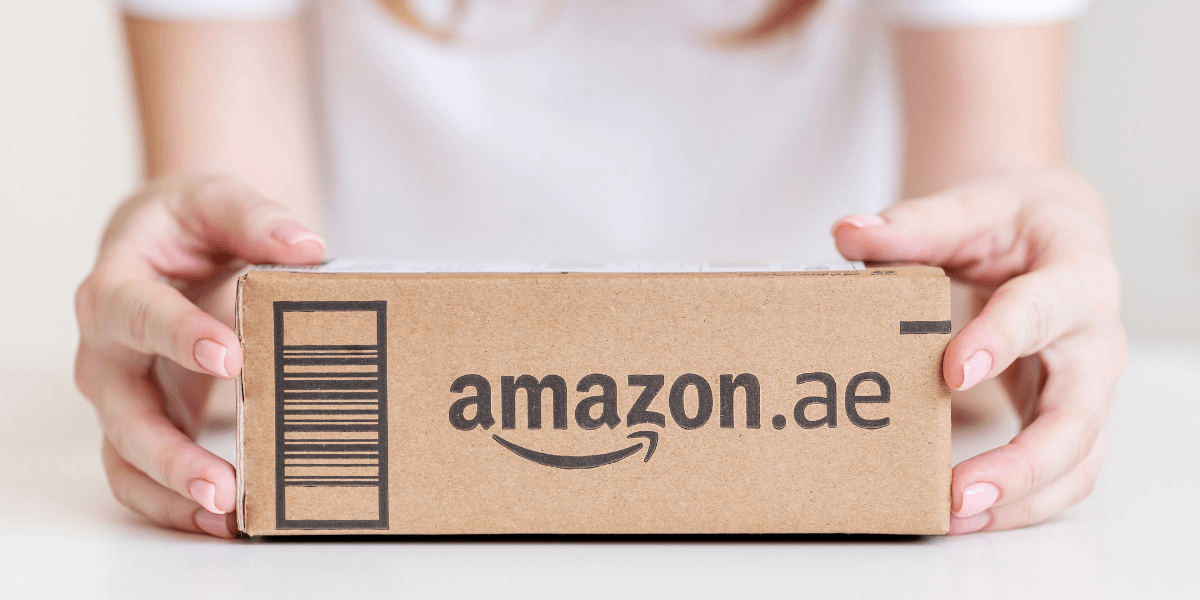
June 2, 2026, marked a significant development in the U.S. retail and e-commerce landscape as Amazon announced that its annual Prime Day shopping event would take place from June 23 through June 26, moving the promotion from its traditional July schedule. The decision has drawn attention across the retail industry because of Prime Day’s substantial influence on consumer spending, online sales trends, and competitive retail strategies.
Prime Day has evolved into one of the largest shopping events in the United States since its launch in 2015. Originally created to celebrate Amazon’s anniversary, the event has become a major driver of e-commerce activity, often generating billions of dollars in online sales across the retail sector. The announcement of a June schedule for 2026 represents more than a simple calendar adjustment; it reflects changing market dynamics and Amazon’s broader efforts to strengthen its position in key retail categories.
According to company statements released on June 2, Amazon selected the week beginning June 22 after evaluating major events and seasonal shopping patterns expected to influence consumer behavior during the summer months. The company also confirmed that the event would remain four days long, continuing the expanded format introduced in previous years.
The move is significant because Prime Day has become an important indicator of consumer demand and spending trends. Retail analysts closely monitor the event each year, not only for Amazon’s performance but also for its impact on competing retailers. Major chains frequently launch their own promotional campaigns around the same period, creating a broader wave of discounts and online shopping activity throughout the U.S. economy.
One of the most notable aspects of the 2026 announcement is Amazon’s increasing emphasis on groceries and household essentials. Traditionally associated with electronics, home products, and seasonal merchandise, Prime Day is now being positioned as a platform for everyday purchases. Company executives indicated that grocery items are becoming a larger part of customer shopping behavior as Amazon continues expanding same-day and next-day delivery services.
This shift reflects a larger strategic objective within the retail industry. E-commerce companies are increasingly focused on becoming part of consumers’ routine purchasing habits rather than serving only as destinations for occasional large purchases. By encouraging customers to purchase groceries and frequently used household products, companies can increase customer engagement and build recurring revenue streams.
The growing importance of grocery delivery has intensified competition among major retailers. Fast delivery services, expanded fulfillment networks, and improvements in logistics have become key differentiators in attracting and retaining customers. As a result, Prime Day is evolving from a promotional event into a demonstration of operational capabilities, showcasing how effectively companies can manage inventory, fulfillment, and customer service at scale.
The announcement also highlights the continued strength of the U.S. e-commerce market. Online retail remains one of the most dynamic segments of the economy, driven by consumer demand for convenience, product selection, and rapid delivery. Large-scale shopping events such as Prime Day provide valuable insights into purchasing patterns, category performance, and broader market trends.
For businesses, the June 2 development offers several important lessons. First, timing has become a critical competitive factor in modern retail. Companies are increasingly adjusting promotional calendars and marketing strategies to align with consumer behavior and major seasonal events. The ability to anticipate and respond to changing demand patterns can provide a meaningful advantage in a highly competitive marketplace.
Second, logistics and fulfillment capabilities continue to play a central role in retail success. Consumers increasingly expect rapid delivery and reliable service, making operational efficiency just as important as pricing and product selection. Retailers that invest in distribution networks, technology infrastructure, and inventory management systems may be better positioned to meet these expectations.
Third, the announcement demonstrates how data-driven decision-making is shaping business strategy. Retail companies now have access to extensive information about customer preferences, purchasing habits, and seasonal trends. These insights allow organizations to optimize event timing, product offerings, and promotional campaigns with greater precision than ever before.
The broader economic implications are also noteworthy. Major shopping events generate activity across multiple industries, including transportation, warehousing, manufacturing, advertising, and technology services. Increased consumer spending can create ripple effects throughout supply chains and support business growth in numerous sectors.
Looking ahead, analysts expect Prime Day 2026 to be closely watched by retailers, investors, and business leaders. The earlier schedule may influence seasonal spending patterns and could encourage competing companies to adjust their own promotional strategies. The event will also serve as an important test of consumer demand during a period when businesses continue adapting to evolving shopping preferences and digital commerce trends.
The announcement on June 2 underscores the growing influence of e-commerce on the broader business landscape. Amazon’s decision to move Prime Day to June reflects changing consumer behavior, intensified competition, and the increasing importance of logistics and convenience in modern retail. As digital commerce continues to evolve, developments such as these provide valuable insight into the future direction of the U.S. retail industry.

Biz Recap Contributor
Covers entrepreneurship, business, and innovation, with an interest in the stories behind founders and growing companies.
This article features partner, contributor, or branded content from a third party. Members of the Biz Recap editorial staff were not involved in the creation of this content. All views and opinions are those of the contributor alone.
You May Also Like

Soar90 Brings Its First 90 Day Career Roadmap To Apple And Android Users

Atlantic Health Strategies Builds Behavioral Health
Accelevation Raises $540 Million in Major U.S. IPO as Data Center Infrastructure Demand Grows

IROS 2026 Brings the Next Wave of Robotics Innovation to Pittsburgh

Microsoft Expands Copilot With New AI Tools Designed To Transform How Businesses Work