U.S. Stock Markets Reach Record Highs as AI and Technology Shares Drive Investor Optimism
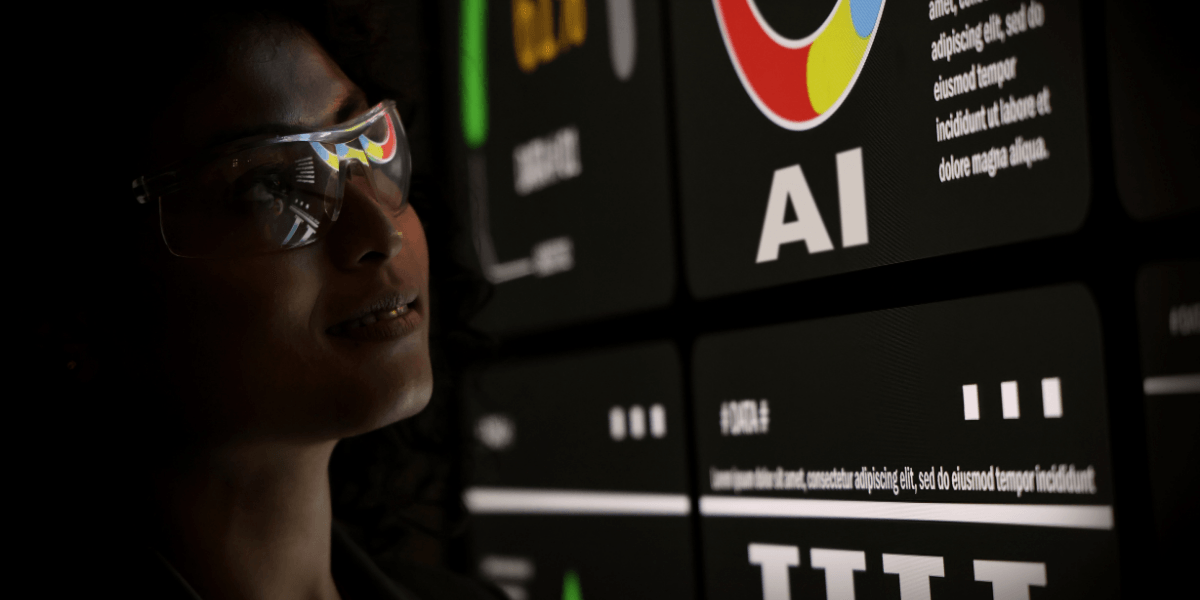
On May 14, 2026, major U.S. stock indexes closed at record highs, marking one of the most significant financial market developments of the week. The rally was fueled by strong performances from technology companies, renewed optimism around artificial intelligence (AI), and investor confidence in corporate earnings despite ongoing concerns about inflation and global economic uncertainty.
The S&P 500 and Nasdaq Composite both finished the trading day at new all-time highs, while the Dow Jones Industrial Average climbed above the 50,000-point level for the first time since geopolitical tensions involving Iran disrupted global markets earlier in the year. According to reporting from the Associated Press, the S&P 500 rose 0.8% to close at 7,501.24, while the Nasdaq gained 0.9% and the Dow advanced 0.7%.
The surge highlighted how technology and AI-related investments continue to shape the direction of U.S. financial markets in 2026. Analysts pointed to strong corporate earnings, resilient consumer spending, and increasing enterprise demand for AI infrastructure as major drivers behind the rally.
One of the strongest contributors to the market gains was Cisco Systems, which reported quarterly earnings that exceeded Wall Street expectations. The company also raised its revenue outlook, citing strong demand tied to AI networking infrastructure and enterprise technology spending. Reuters reported that Cisco shares jumped more than 13% following the announcement, helping lift broader technology indexes.
Nvidia also played a major role in the day’s momentum. Shares of the semiconductor company rose sharply after the U.S. government approved additional chip sales to Chinese firms, easing concerns about export restrictions that had weighed on portions of the semiconductor sector. Investors viewed the development as a positive signal for global AI supply chains and technology demand.
The broader market reaction reflected continuing enthusiasm surrounding AI adoption across industries. Throughout 2025 and into 2026, companies have accelerated investments in cloud computing, advanced chips, automation software, and enterprise AI systems. Financial markets have increasingly rewarded businesses perceived as leaders in the AI ecosystem.
Beyond technology stocks, investors also responded positively to economic indicators released during the week. Retail sales data generally met expectations, suggesting that U.S. consumer demand remains stable even as borrowing costs stay relatively elevated. While inflation concerns continue to influence Federal Reserve policy discussions, many market participants interpreted the latest economic data as evidence that the U.S. economy remains resilient.
The rally occurred during a period of heightened global attention on U.S.-China economic relations. Reuters noted that investors closely monitored discussions between U.S. President Donald Trump and Chinese President Xi Jinping regarding trade, technology cooperation, and broader economic issues. Markets appeared encouraged by signs that both sides were pursuing dialogue aimed at reducing tensions affecting international commerce and supply chains.
For businesses and investors, the market performance on May 14 carried several important implications.
First, the event reinforced the dominant role of AI and technology companies in driving market growth. Companies connected to semiconductor manufacturing, cloud infrastructure, cybersecurity, enterprise software, and digital networking continue to attract significant capital investment. This trend has influenced hiring strategies, corporate spending priorities, and startup funding across the technology sector.
Second, the record highs demonstrated that investors remain willing to support growth-oriented companies despite concerns about inflation, energy prices, and geopolitical instability. Although analysts continue to warn about market volatility, the strong performance suggested that many investors believe corporate earnings growth can continue through the remainder of 2026.
Third, the rally underscored the growing importance of international trade policy to American businesses. Technology companies remain highly dependent on global supply chains and overseas markets, particularly in Asia. Any progress in reducing trade friction between the United States and China can have a substantial impact on investor sentiment and corporate revenue forecasts.
Market experts also cautioned that enthusiasm surrounding AI investments could create risks if expectations outpace actual revenue growth. While AI has become a transformative force across industries, some analysts have warned that elevated stock valuations could lead to sharper market corrections if corporate earnings fail to keep pace with investor optimism.
Still, the overall mood on Wall Street remained positive following the May 14 trading session. The combination of strong earnings, stable economic data, and renewed confidence in the technology sector helped create one of the strongest trading days of the month.
For professionals, business leaders, and investors, the developments offered a clear reminder that AI-driven innovation is continuing to influence not only the technology industry but also the broader U.S. economy. From infrastructure spending and enterprise software adoption to semiconductor manufacturing and cloud services, AI-related growth remains one of the most closely watched themes in global business.
As markets continue to respond to corporate earnings, interest rate expectations, and international economic developments, the events of May 14 may ultimately be remembered as another milestone in the expanding influence of artificial intelligence on modern financial markets.

Biz Recap Contributor
Covers entrepreneurship, leadership, and professional development, highlighting people and businesses worth watching.
This article features partner, contributor, or branded content from a third party. Members of the Biz Recap editorial staff were not involved in the creation of this content. All views and opinions are those of the contributor alone.
You May Also Like

Atlantic Health Strategies Builds Behavioral Health
Accelevation Raises $540 Million in Major U.S. IPO as Data Center Infrastructure Demand Grows

IROS 2026 Brings the Next Wave of Robotics Innovation to Pittsburgh

Microsoft Expands Copilot With New AI Tools Designed To Transform How Businesses Work

U.S. Business Activity Reaches Its Strongest Pace In More Than Five Years